Vehicle-to-home (V2H) and vehicle-to-grid (V2G) both use your EV battery to supply electricity beyond just charging your car, but they work in fundamentally different ways and suit different needs. V2H sends power into your house; V2G sends power onto the public electricity network. Choosing between them depends on your car, your goals, and how complex a setup you are willing to manage.
The fastest way to get oriented
Only if the charger is configured for islanding. A standard grid-tied V2H installation shuts down automatically when the grid goes down, for safety reasons.
V2H operating within your property does not require supplier notification or grid permission.
Yes. All V2G-capable chargers available in the UK also support V2H.
The charger hardware is the same. The main additional cost for V2G is the DNO application process (which your installer typically manages) and, in some cases, additional metering equipment required by your supplier or DNO.
Both work well with solar, but V2H tends to integrate more simply. Your charger can prioritise solar generation to top up the battery during the day, then use stored energy during the evening peak.
This guide explains the difference clearly, covers what each technology requires, and helps you work out which one makes sense for your situation.
The Core Difference
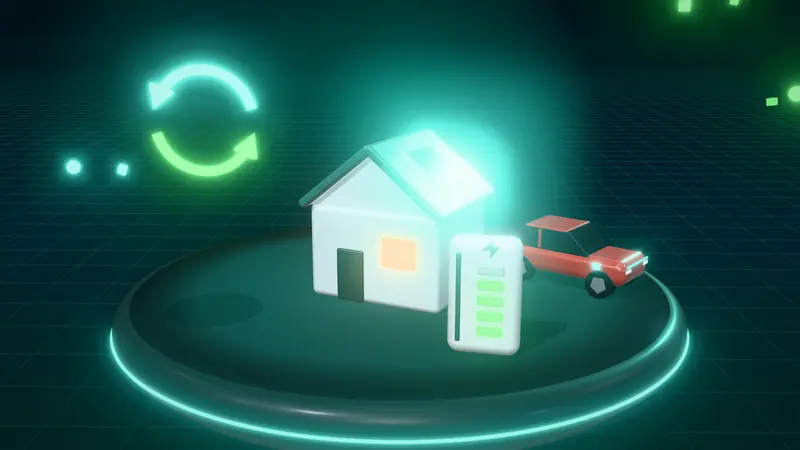
V2H (Vehicle-to-Home) directs energy from your EV battery into your home’s electrical system. The electricity never touches the grid. You use it to run your appliances, reduce how much you draw from the grid during expensive peak-price periods, or power your home during a blackout if the system is configured for islanding.
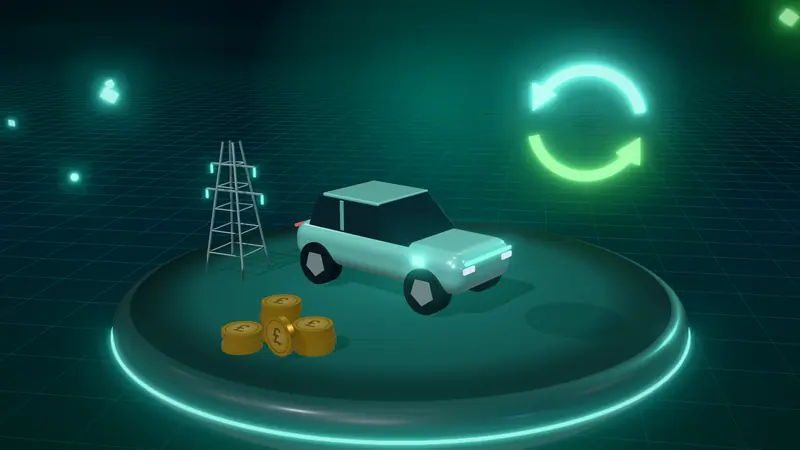
V2G (Vehicle-to-Grid) sends energy from your EV battery back to the public electricity network. This requires a grid connection agreement and smart scheduling, but it earns you money — either through free charging credits or direct export payments.
Think of it this way: V2H is about self-sufficiency and resilience; V2G is about participating in the energy market and getting paid.
How Each Technology Works
How V2H Works
Your EV stores energy as DC. Your home runs on AC. A bidirectional home charger sits between the two and converts the power in either direction as needed.
With V2H:
- You charge your car cheaply overnight
- During peak-price hours, the charger draws from the battery instead of the grid
- If you have solar, surplus solar generation can top up the battery for later use
- In an islanding setup, the charger disconnects from the grid and powers your home independently during a power cut
V2H does not require permission from your Distribution Network Operator (DNO) or grid export metering, because no energy crosses the boundary onto the public network. This makes it simpler to set up than V2G.
How V2G Works
V2G involves the same bidirectional hardware, but energy flows all the way onto the national grid. The charger must be certified to export, and you need G99 approval from your DNO — a process that can take up to 12 weeks.
You also need a V2G-enabled tariff. In the UK in 2026, Octopus Power Pack is the only dedicated V2G tariff available. It schedules your car’s charging and export automatically, aiming to charge when electricity is cheap or renewable, and export during peak demand windows.
What Each Requires
| Requirement | V2H | V2G |
|---|---|---|
| Compatible EV | Yes — bidirectional onboard charger | Yes — same requirement |
| Bidirectional home charger | Yes | Yes — must also be grid-export certified |
| DNO permission (G99) | No | Yes — up to 12 weeks |
| Smart tariff | Optional (helpful but not required) | Yes — essential |
| Islanding capability | Only if configured for blackout protection | Usually no — grid-tied systems shut down in a power cut |
| Complexity | Moderate | Higher |
Financial Comparison
V2H savings come from buying cheap electricity when it is plentiful and using stored energy when it is expensive, avoiding peak-rate grid imports. If you are on a time-of-use tariff like Intelligent Octopus Go, a 60 kWh battery that charges at off-peak rates and discharges at peak rates could save you several hundred pounds per year, depending on how much you use at home.
V2G savings are estimated by Octopus Energy at £620 to £880 per year compared with a standard variable tariff, for drivers covering around 10,000 miles per year who can plug in for at least 12 hours a day on 20 days per month. Octopus Power Pack covers the cost of EV charging entirely in exchange for scheduling access to your battery.
V2G has a higher ceiling for savings, but comes with more requirements and restrictions. V2H is simpler to access today, especially as more bidirectional chargers arrive at reasonable price points.
Which Cars Support Each?
Both V2H and V2G require a car with a bidirectional onboard charger. Many of the same vehicles support both, though the specific tariff or charger determines which mode is active.
Cars with confirmed V2H and V2G capability in the UK (2026):
- Nissan Leaf (3rd generation) — via Wallbox Quasar (CHAdeMO) or Nissan’s own 2026 AC V2G system
- BYD Dolphin (V2G variant) — via Octopus Power Pack bundle with Zaptec Pro
- Kia EV9 — V2L, V2H, and V2G capable via CCS
- Hyundai IONIQ 5 — V2L built in; V2H and V2G via compatible charger and CCS
- Renault 5 E-Tech (52 kWh) — AC bidirectional up to 11 kW
- VW ID.4 / ID.3 / ID.7 (77 kWh) — BiDi capability via Software 3.5 OTA update
- Mitsubishi Outlander PHEV — legacy CHAdeMO V2H/V2G
For a full list of compatible models and specs, see our V2H compatible cars guide and our EV V2G compatibility list.
Charger Differences Between V2H and V2G
The hardware overlap is significant — most bidirectional chargers support both modes. The key difference is certification:
- V2H chargers can be installed without grid-export certification, making them suitable for home use without G99 approval
- V2G chargers must meet additional requirements for grid-export metering and energy management
In practice, models like the NexBlue Point 2 and Zaptec Go 2 support both V2H and V2G modes. The Wallbox Quasar 2 — the premium DC bidirectional option — also covers both. If you buy a V2G-capable charger, you automatically have V2H capability too.
For more detail on what is available and what each costs, see our best V2G home chargers guide.
Which Should You Choose?
Choose V2H if:
- Your priority is reducing bills by using stored cheap electricity at home
- You want blackout protection (with an islanding-capable charger and setup)
- You want to get started without waiting for DNO approval
- Your car supports bidirectional charging but is not yet on an Octopus-compatible V2G list
Choose V2G if:
- Your EV is on the Octopus Power Pack compatibility list (Nissan Leaf, Mitsubishi Outlander PHEV, BYD Dolphin bundle)
- You can plug in regularly — at least 12 hours a day, 20 days a month
- You want maximum financial returns and are comfortable with a longer setup process
- You are interested in contributing to the UK’s grid stability and renewable energy integration
For many people, V2G is the better long-term choice — but V2H is the more accessible option today. If your charger supports both, you are not locked in: Octopus can switch your configuration when eligibility changes.
What About the Octopus V2G Tariff?
The Octopus Power Pack tariff is the primary route to V2G earnings in the UK. It is currently compatible with the BYD Dolphin (via the Power Pack bundle), the Nissan Leaf with a Wallbox Quasar v1, the Nissan e-NV200, and the Mitsubishi Outlander PHEV.
It is an add-on tariff — you keep your existing Octopus import tariff and add Power Pack on top. Charging is free. Exports are scheduled automatically. See our Octopus V2G tariff guide for rates, eligibility, and how to apply.
Key Takeaways
- V2H powers your home from your EV battery; V2G sends energy back to the public electricity network
- V2H is simpler to set up: no DNO permission required, no smart tariff required
- V2G offers higher financial returns — estimated £620 to £880 per year with Octopus Power Pack
- Both technologies require a bidirectional EV and a bidirectional home charger
- Most V2G-capable chargers also support V2H, so your hardware choice does not lock you into one mode
- Octopus Power Pack is the UK’s only V2G tariff in 2026 — check compatibility before buying
Frequently Asked Questions
Can V2H protect my home during a blackout? Only if the charger is configured for islanding. A standard grid-tied V2H installation shuts down automatically when the grid goes down, for safety reasons. An islanding setup disconnects from the grid first and runs the home independently — this requires a specific inverter configuration and a qualified installer. See our best EVs for home backup power guide.
Does V2G or V2H require my electricity supplier to know about it? V2H operating within your property does not require supplier notification or grid permission. V2G does — you need G99 approval from your DNO, and a compatible tariff (currently Octopus Power Pack) to schedule and reward exports legally.
If I buy a V2G charger, can I also use it for V2H? Yes. All V2G-capable chargers available in the UK also support V2H. You are not choosing one or the other with your hardware — you are choosing which mode to operate in, which can change based on your tariff and settings.
Is there a cost difference between V2H and V2G charger installations? The charger hardware is the same. The main additional cost for V2G is the DNO application process (which your installer typically manages) and — in some cases — additional metering equipment required by your supplier or DNO. These costs are usually modest compared with the charger hardware itself.
Which is better if I have solar panels? Both work well with solar, but V2H tends to integrate more simply. Your charger can prioritise solar generation to top up the battery during the day, then use stored energy during the evening peak. V2G adds the option of exporting to the grid if your battery is full and your solar is generating surplus. Some setups and tariffs can manage this automatically — discuss your solar configuration with your installer before purchase.
Useful Resources
V2G.co.uk: Policy and Regulation Blog