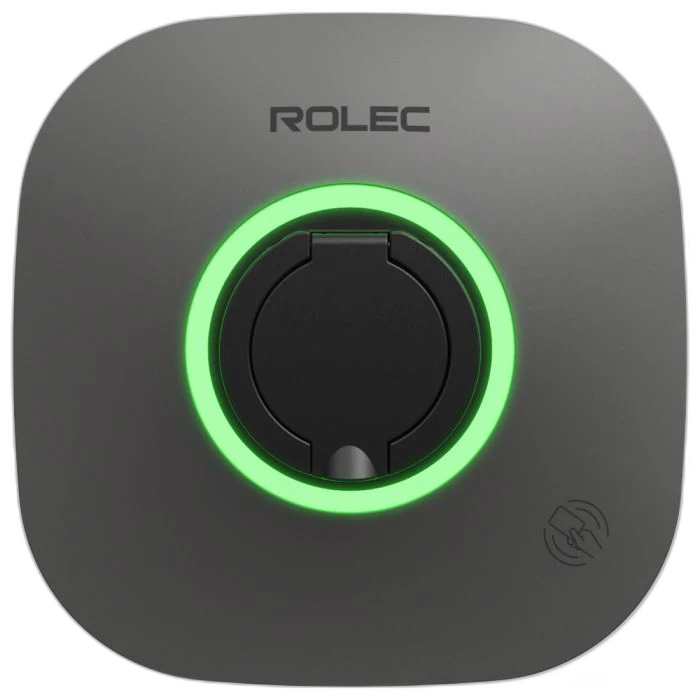
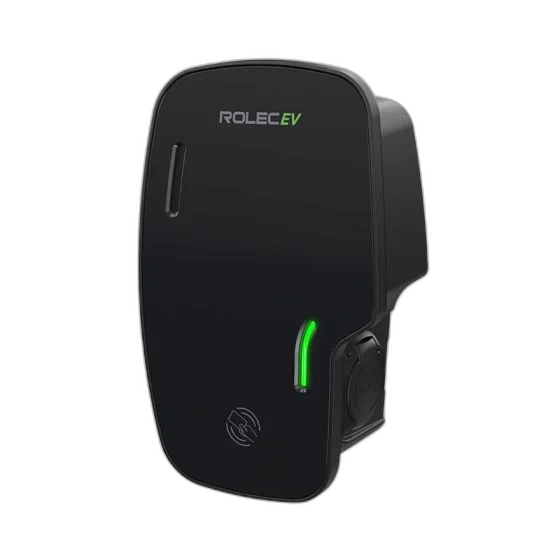
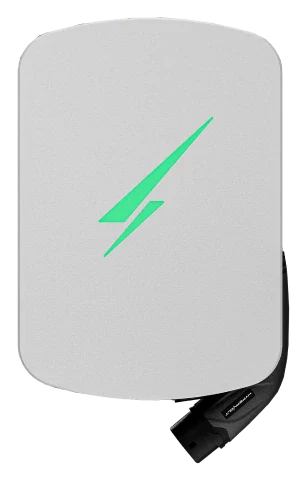
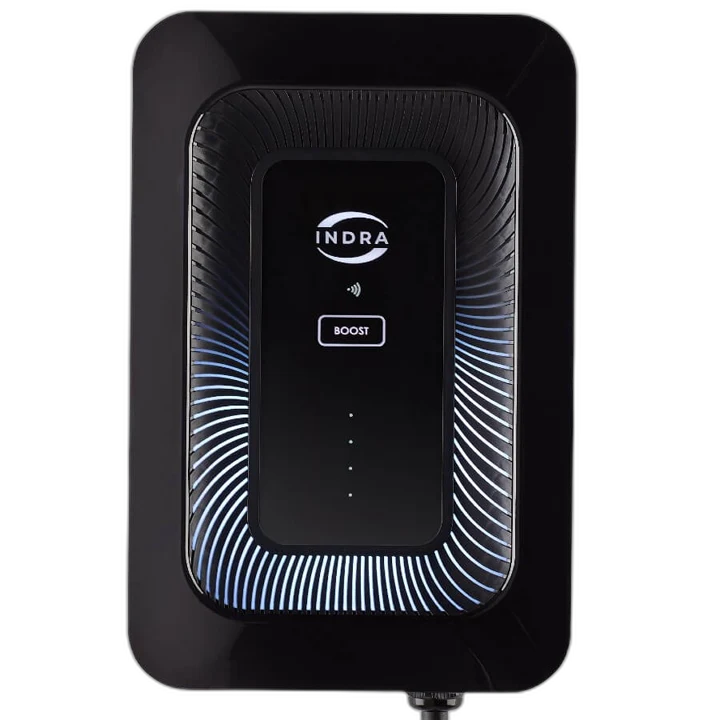
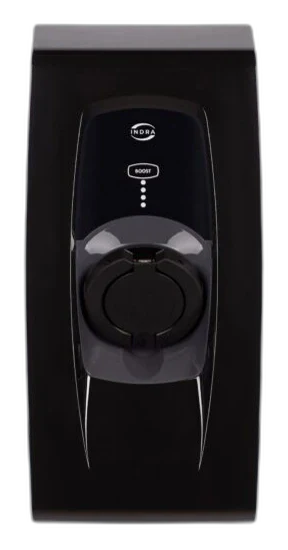
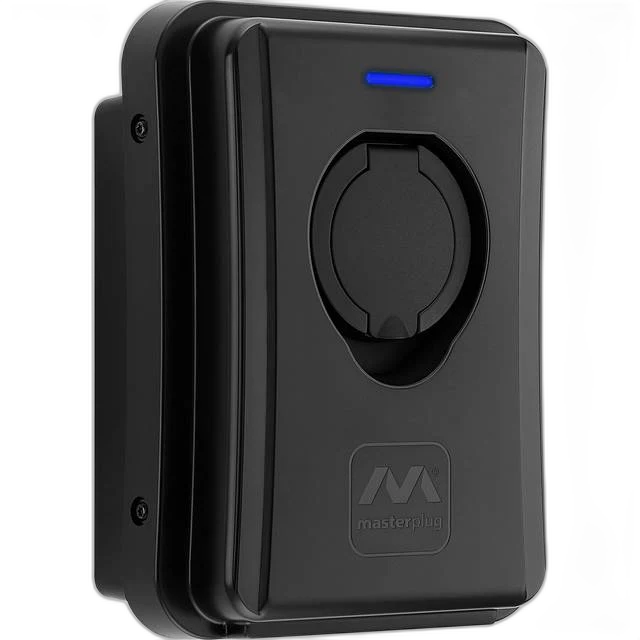
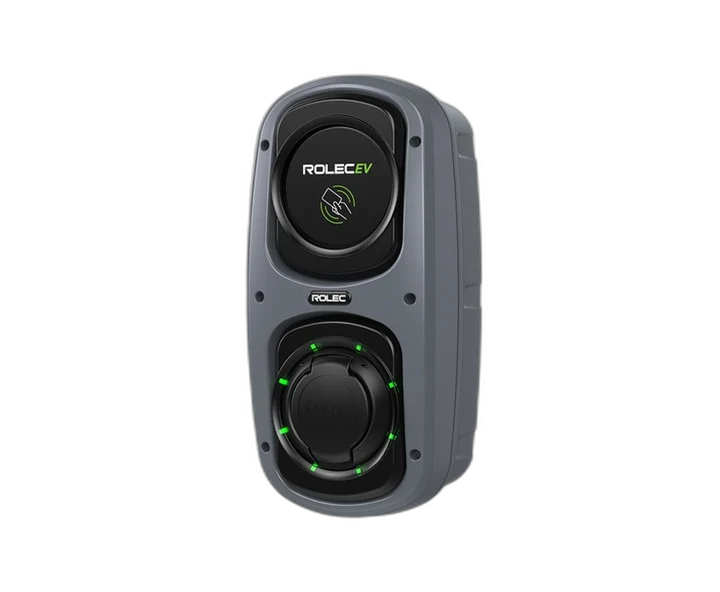
The following is an in-depth review of the Rolec EVO 2026, a smart EV charger for home and light commercial use, designed to deliver a simple mix of smart charging, solar support, and access control, all at competitive pricing and as a cost-effective solution. If you’re after an EV charging solution that works with off-peak tariffs, surplus solar power, and either 7.4kW or 22kW charging, it’s built to cover that ground without feeling like a science project.
Manufactured by Rolec Services, a reputable British company known for its expertise in EV charging solutions, the EVO stands out for its build quality and reliability. Rolec Services has built a strong reputation for delivering dependable products and comprehensive aftersales support, making them a trusted name in the industry.
This review is aimed at helping buyers choose the right EV charger for their needs by evaluating the EVO’s features, value, and suitability for different scenarios. Buyers can feel confident in the company’s experience and aftersales service, ensuring ongoing support and peace of mind.
You get a practical home EV charger with solar compatibility for use with solar panels, RFID access, OCPP support, and safety features, making it a sensible pick for a lot of UK properties.
Key Takeaways
-
7.4kW or 22kW charging options.
-
App control, RFID, and smart tariff support.
-
Advanced features including solar integration, dynamic load balancing, and smart app control.
-
Wi-Fi and Ethernet connectivity for remote management and integration with smart home or building systems.
-
Works with solar and load management setups.
-
Comes with a five-year warranty, which is longer than the typical three-year warranty offered by many competitors, providing added reliability and peace of mind.
-
Priced at £449, making it a competitive option compared to other EV chargers, which often range from £500 to over £1000 including installation, offering strong value for its features.
What The Charger Offers at a Glance
The EVO is a universal charging socket unit, allowing you to use your own charging cable or cord rather than relying on a fixed lead. This flexibility is especially useful if you share the charger with different EVs or want a neater wall, as you can easily store or wrap your own cable for a tidy appearance. Unlike tethered cable alternatives, which come with a built-in, fixed-length cable for convenience, the untethered design of the EVO gives you more versatility but requires you to provide your own cable; ideal for those who value adaptability and a clutter-free setup.
For flexible installation, the EVO offers wall or post mounting options, giving you the freedom to choose the best setup for your space, whether you prefer a wall installation or need post mounting options for different site layouts.
It’s aimed at both domestic and light commercial use, with simple controls and enough flexibility for most UK homes. There’s a clear split between the home-focused 7.4kW model and the beefier 22kW option. While there are several alternatives on the market, the EVO stands out for its flexibility and thoughtful cable management features.
Charging Speeds, Socket Type, and Model Options
You’ve got the 7.4kW and 22kW versions. The 7.4kW model fits most single-phase homes, while the 22kW is for three-phase setups and places that need faster charging.
Type 2 socket, naturally, it’s the UK standard. Since it’s untethered, you’ll plug in your own lead each time, which a lot of people actually prefer for flexibility and easy cable swaps.
Who It Suits in UK Homes and Light Commercial Settings
The EVO’s a good fit if you want a neat wall box for a driveway, garage, or shared parking space. Its untethered, socketed design especially appeals to EV drivers who value flexibility and a tidy installation. It also works well in places where you need access control, like small business car parks or managed residential sites, supporting both domestic and light commercial installs.
The commercial angle matters if you need a charger that can work with a chargepoint management system. For site managers handling light commercial installs, the EVO provides complete control over scheduling, tariff integration, and user access. For home users, simple daily charging with the option for tariff savings and solar use is the real draw.
Core Smart Features and Everyday Use
You can use the EVO for plug-and-go charging, full app control, or app RFID charging. This integration gives you flexible access and management; choose simple tap-and-go or manage everything through the app on your phone.
Day to day, the real value is flexibility. You have full control over charging schedules, can switch modes, and manage access, all without needing a PhD in EV charging. Plus, you can monitor charging status and adjust schedules directly from your phone, making remote management easy and convenient.
Smart Charging, App Control, and Tariff Features
The EVO offers a basic but solid smart charging setup, with the free EVO app, tariff-based scheduling, and external platform support. The charger supports Bluetooth connectivity in addition to Wi-Fi and Ethernet, enabling seamless app integration and remote control. It can be managed via the OCPP app or the free EVO app, giving you flexible control over your charging experience. It’s designed to help you charge when electricity is cheaper, pretty important if you care about running costs.
If you like hands-off charging, the app lets you set your routines and forget about it. For site managers, it can also work with approved back-office systems.
Using the EVO App and Rolec EVO Mobile App
The free Rolec EVO mobile app gives you control over charging modes, schedules, and energy use. You can check settings quickly, set the charger to match your routine, and set charging schedules within the app to optimise charging times, helping you take advantage of off-peak rates and smart tariffs.
The app’s functional, not fancy. It covers the basics for everyday EV charging, including remote control and the ability to set charging times for full control over your charging routines.
Off-Peak Scheduling and Smart Tariffs
Smart tariffs are one of EVO’s better features. You can schedule charging sessions to take advantage of off-peak rates, helping you save money by charging when electricity costs less, especially useful for overnight charging and optimising energy use.
The charger supports scheduled charging, allowing you to align it with your tariff window and optimise energy consumption. If you know your cheapest hours, this makes life easier and more cost-effective.
OCPP 1.6 and Chargepoint Management Compatibility
The EVO is OCPP 1.6 compliant, which matters if you want it to connect with third-party software or a chargepoint management system. That’s more flexibility than you get with a basic home charger.
For light commercial use, OCPP support is a real plus. You get better control over users, access, and reporting, and Ethernet connectivity helps when you need a stable wired connection.
Solar Compatibility and Home Energy Integration
The EVO is solar compatible and allows users to charge their electric vehicle using surplus solar energy, featuring three charging modes that can lead to cost savings on electricity. This makes it ideal for homes with solar panels and supports the growing adoption of electric vehicles by maximizing the use of surplus solar energy for eco-friendly charging, so you can take full advantage of your renewable setup.
You also get energy modes that let you decide how much grid power the car should use. That helps you strike a balance between cost, convenience, and renewables.
How Solar Integration Works
Solar integration means the charger can respond to energy produced at home. If your system’s generating power and you’re not using it elsewhere, the EVO can shove that surplus into your EV.
This is most useful when your daytime solar output is strong enough to cover part or all of the charging load. You’ll need the right hardware, so think of solar support as something to plan for, not just a freebie.
Eco Mode, Eco+ Mode, and Surplus Solar Charging
The EVO app supports three charging modes, including ECO and Eco+.
-
Plug and go for simple grid charging.
-
Eco mode blends solar and grid power.
-
Eco+ mode prioritises surplus solar only, enabling a cost-free charge when surplus solar is available.
Eco+ is the one to use if you want a 100% renewable charge when the sun’s out, making use of surplus solar for a cost-free charge. Eco mode is more practical on mixed-weather days since it gives you more consistent charging.
When Solar Features Are Worth Paying For
Solar features make sense if you already own panels or plan to install them soon. If your EV mostly charges overnight and you never expect to use daytime solar, you probably won’t use these features much.
The best value comes when your charging pattern matches your generation pattern. If you’re home during the day, solar compatibility can save money and make better use of your own electricity.
Installation, Electrical Requirements, and Safety
The EVO is installer-friendly, featuring a modular design that allows it to be installed in as little as 15 minutes, minimizing disruption. Installation savings can range from £150 to £250 due to its built-in safety features, which reduce the need for extra components. The charger is compliant with the latest UK smart charging regulations, ensuring it meets current industry standards for safety and functionality. It is suitable for mounting on a fire-resistant wall for enhanced safety, and its hardware and protection features are designed for UK homes.
The installation process typically involves a survey of the property to determine the best location and any necessary electrical work. During installation, the consumer unit may need to be accessed or modified to ensure proper electrical setup. If you plan to have the charger installed in a detached garage, special consideration should be given to the electrical capacity and wiring required for that location. You’ll still need a qualified installer, and your supply type matters, especially if you’re choosing between single-phase and three-phase.
Safety features are built in, including protection that can remove the need for an earth rod in suitable cases. Load management and current monitoring keep things practical and compliant.
For installation and technical queries, we recommend seeking expert advice to ensure optimal setup and safety.
Single-Phase and Three-Phase Considerations
The 7.4kW model is the go-to for single-phase homes. The 22kW model is aimed at three-phase supply, and it offers three to single phase switching on the 22kW version.
That makes the higher-output model more adaptable, especially if your electrical supply might change or if you have different charging needs over time. For most UK houses, 7.4kW is what you’ll end up with.
Dynamic Load Balancing and CT Clamp Setup
Dynamic load balancing keeps the charger from pulling too much power when other appliances are running. The EVO includes a CT clamp and cable with single-phase models; three-phase systems may need an optional CT kit.
This is important if you want to protect your main supply and avoid nuisance tripping. In real homes, it helps the charger play nice when ovens, heat pumps, or other big loads are active.
PME Fault Detection, Protection Features, and Compliance
The EVO includes residual current protection with a test button, allowing you to easily verify safety functionality. Its PME fault detection feature provides fault detection with no earth rod required when this option is selected, especially useful for the 22kW three-phase model. That’s a big help for many UK installs.
It also includes AC 30mA Type-A and DC 6mA residual current protection, plus compliance with UK EV regulations. These features help the charger fit current UK installation expectations and give you a safer, more standard setup.
Design, Durability, and Access Control
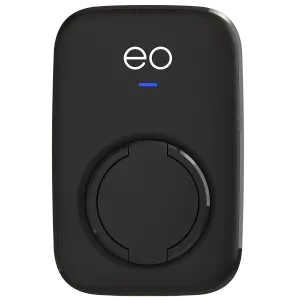
The EVO is a compact unit with a simple, modern look that should suit most driveways and parking areas. It’s not trying to win any beauty contests, but it looks tidy and professional on the wall.
You also get tough materials, a strong weather rating, and access options that make it suitable for shared use or controlled charging.
Compact Form Factor, Post Mounting, and Finish
The charger measures 260mm wide, 260mm high, and 112mm deep, so it’s pretty neat on the wall or a post. The finish is practical, not flashy, which honestly fits the product well.
If you want a charger that blends into the background, the EVO does that job just fine.
Weather Resistance, IK10 Rated Build, and UL94-V0 Materials
The EVO uses a tough PC/ABS alloy body with UL94-V0 flammability-rated materials. It’s got IP54 and IK10 ratings, so it’s built to handle outdoor use and the odd knock.
That’s handy if your charger’s out in the open or in a shared parking spot. Corrosion and fire resistance add peace of mind for long-term use.
RFID Controlled Charging and Charging Cards
RFID controlled charging is great when you want to limit who can use the charger. You get two RFID charging cards included, so access control is available from day one.
This is especially handy for shared households, workplaces, or rental settings. If you want a simple way to prevent unauthorised use, RFID charging is more practical than relying on app access alone.
How It Compares With Other UK Home Chargers
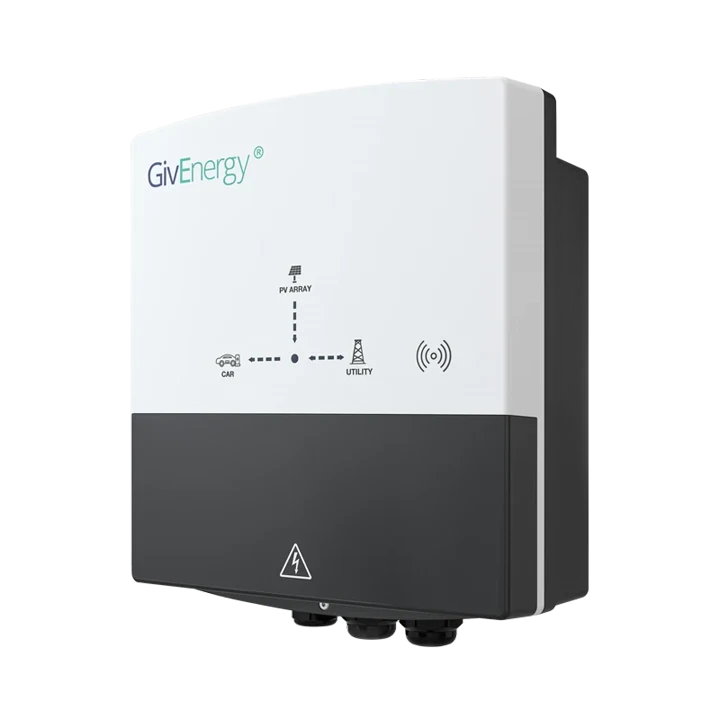
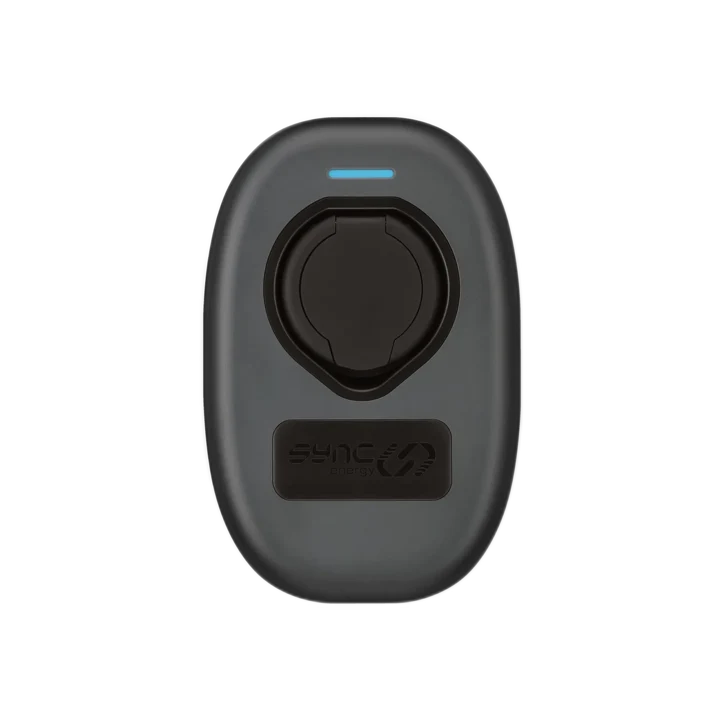
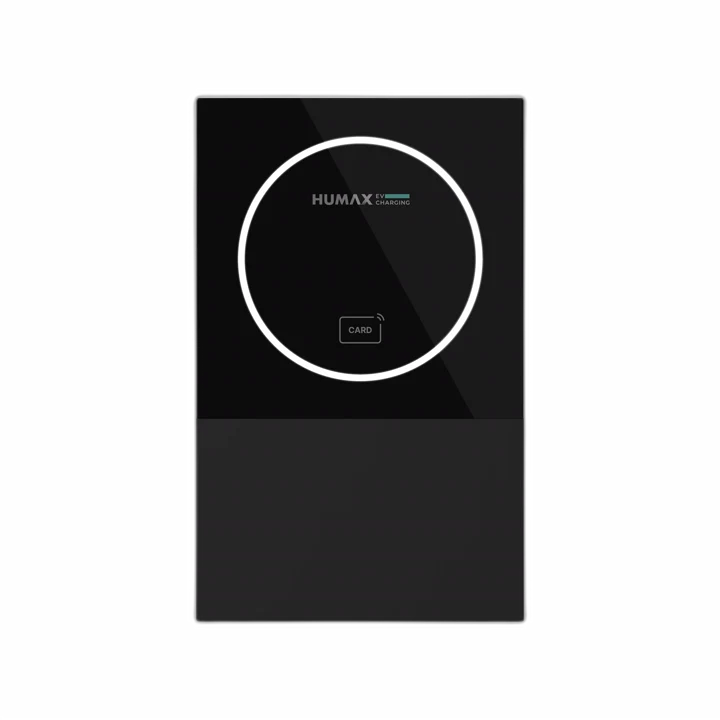
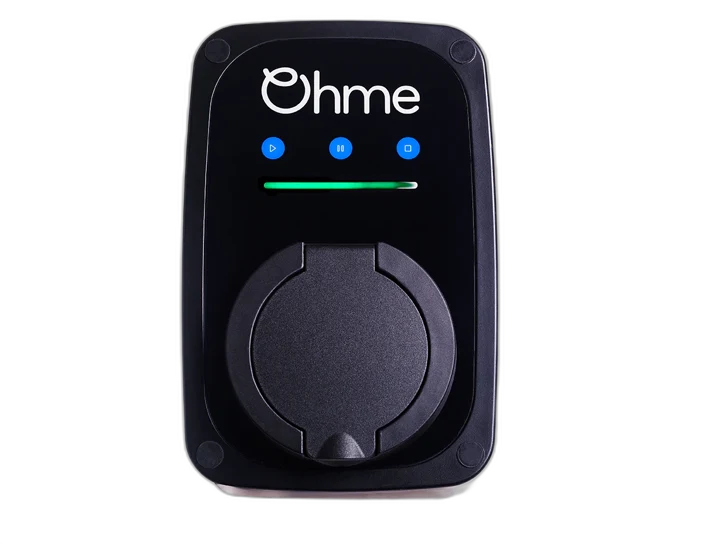
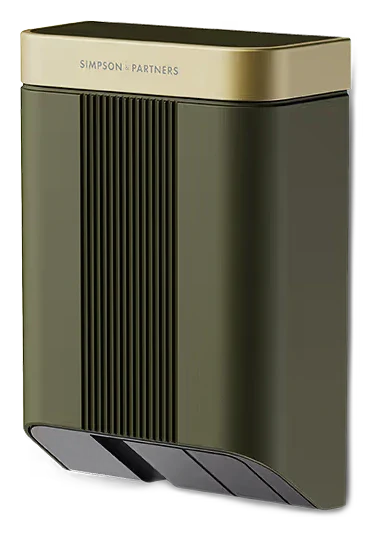
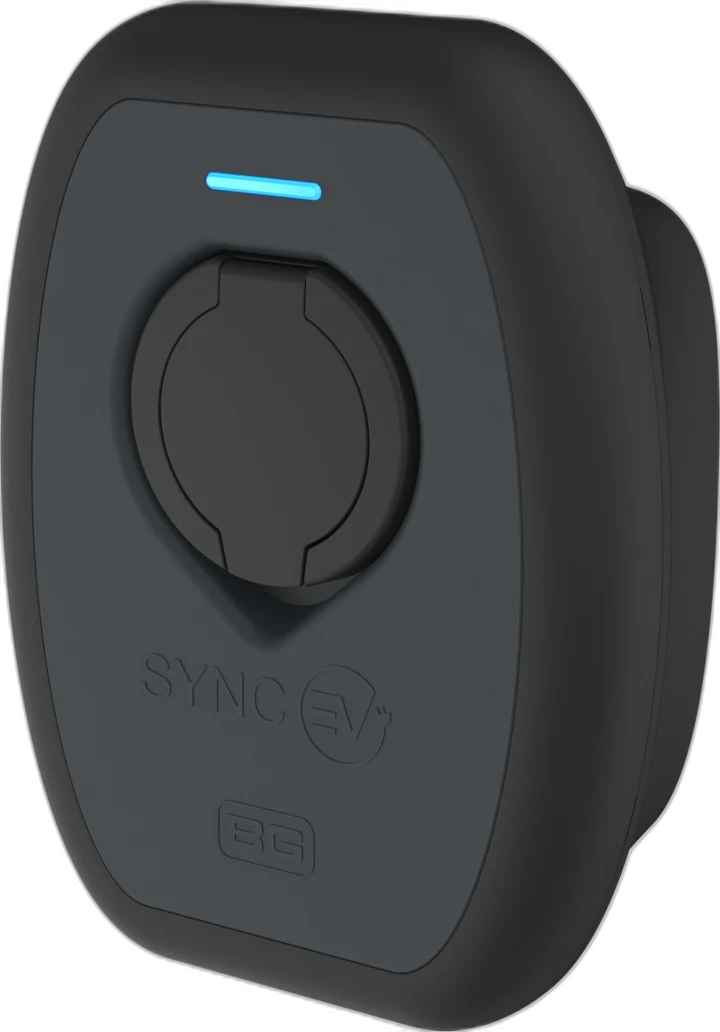
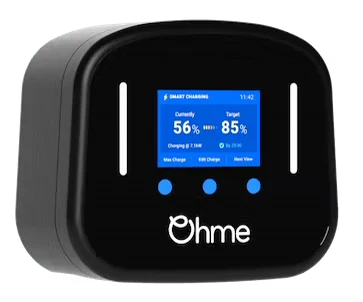
The EVO sits in a crowded UK market with several alternatives, such as the Ohme Home Pro, each offering different features, reliability, and user experiences. Unlike some competitors, the EVO supports over-the-air updates, allowing ongoing improvements and maintenance without physical intervention. While alternatives like the Ohme Home Pro are praised for their user-friendly app and premium build, the EVO stands out with its five-year warranty; most home EV chargers offer a standard three-year warranty; reflecting Rolec’s confidence in the reliability of its modular push-fit architecture and update capabilities.
Reported faults with the EVO are rare, and Rolec’s service team is known for quick resolution and strong customer support, which is crucial for customer satisfaction. The EVO is professionally installed, and installation quality directly impacts the overall experience for customers, ensuring the charger performs reliably from day one.
Its strengths are practical, not flashy, and the EVO Smart feature set, offering advanced smart scheduling, dynamic load balancing, and future-ready compatibility, distinguishes it from other chargers, making it easy to weigh up against the bigger brands.
Your best choice depends on whether you care most about solar use, app design, or tariff automation. EVO holds its own, especially where flexible access and OCPP support matter.
Rolec EVO vs MyEnergi Zappi for Solar-First Households
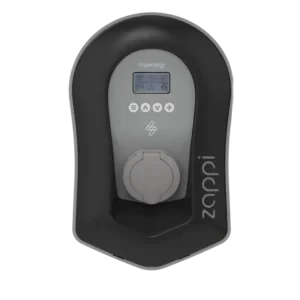
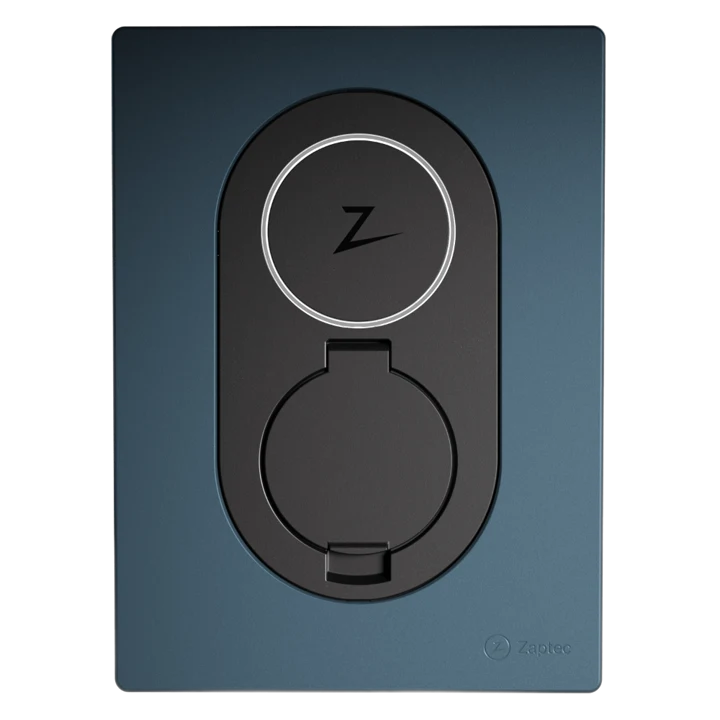
If solar integration is your top priority, MyEnergi Zappi still comes out ahead. Zappi’s better known for solar-first charging and feels more purpose-built for renewable-heavy homes.
The EVO is still a good option if you want solar support plus general smart charging at a lower or more flexible entry point. Zappi wins on solar focus, while EVO gives you a more balanced feature set.
Rolec EVO vs Hypervolt for Design and Smart Features
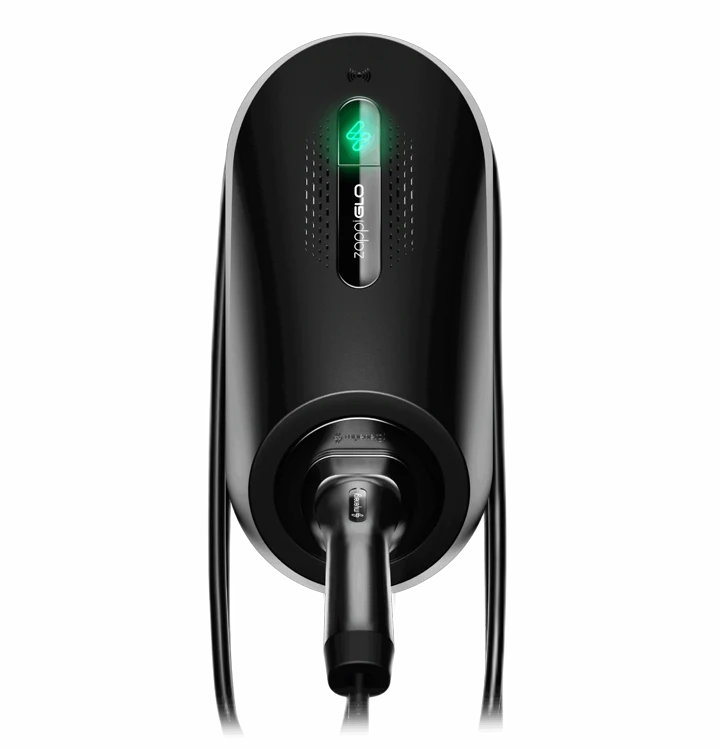
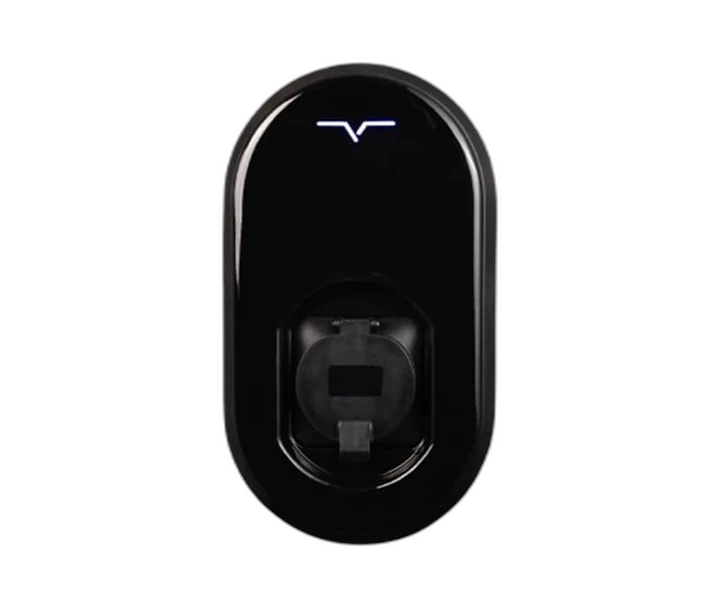
Hypervolt’s the more polished choice if design, app feel, and compact size matter most. It’s got a reputation for smart controls and a more premium finish.
The EVO is more utilitarian, with a focus on installer friendliness, OCPP support, and access control. If you want a sleek-looking charger, Hypervolt might be your pick. If you want flexibility for mixed use, EVO’s got the edge.
Rolec EVO vs Indra Smart Pro for Tariff-Led Charging
Indra Smart Pro is a strong rival if you want tariff optimisation and energy scheduling. It’s often the obvious pick for tariff-led charging, since that’s its main draw.
The EVO still competes well, especially if you want solar integration, RFID access, and OCPP compatibility in one unit. Indra’s often sharper for off-peak control, while EVO gives you broader installation and access options.
Frequently Asked Questions
Are Rolec EV chargers reliable for everyday home charging?
Yes, Rolec EV chargers are generally built for regular daily use, and the EVO follows that pattern. The unit’s got solid safety features, a durable housing, and practical charging modes that suit normal home routines.
How much does a Rolec home EV charger typically cost in the UK?
Pricing changes by model, installer, and site setup, so there’s no single fixed figure. The EVO is positioned as an affordable smart charger, though the 22kW version and any extra electrical work will push up the total cost.
What are the main differences between the EVO model and the UltraCharge 240?
The EVO focuses on compact smart charging with solar support, RFID, and OCPP 1.6 compliance. The main difference is the feature set, mounting style, and control options, so it’s worth comparing the exact specs before choosing.
Does it support smart charging features and integration with Rolec’s online platform?
Yes, the EVO supports smart charging through the EVO app, scheduled charging, and smart tariff use. It also supports OCPP-compliant platforms, so you’ve got more flexibility if you want external management software.
What power options are available and is it suitable for single-phase and three-phase supplies?
You can choose 7.4kW or 22kW charging. The 7.4kW model suits single-phase homes, while the 22kW model is aimed at three-phase supply and supports three to single phase switching.
Where can you buy genuine parts and accessories, and who can install it in the UK?
Your best bet is to stick with Rolec or one of their approved stockists when you’re looking for genuine parts and accessories. It’s just less hassle, and you’ll get the right bits with all the paperwork you need.
When it comes to installation, a qualified UK electrician or an EV charger installer, someone who actually knows the current regs and can work with your property’s supply, should be handling it.