
How fast does it charge?
7.4 kWAbout 25 to 30 miles of range for every hour plugged in, and about 10 to 11 hours for a full charge for most cars. There is no 22 kW version.
- 7.4 kW single-phase
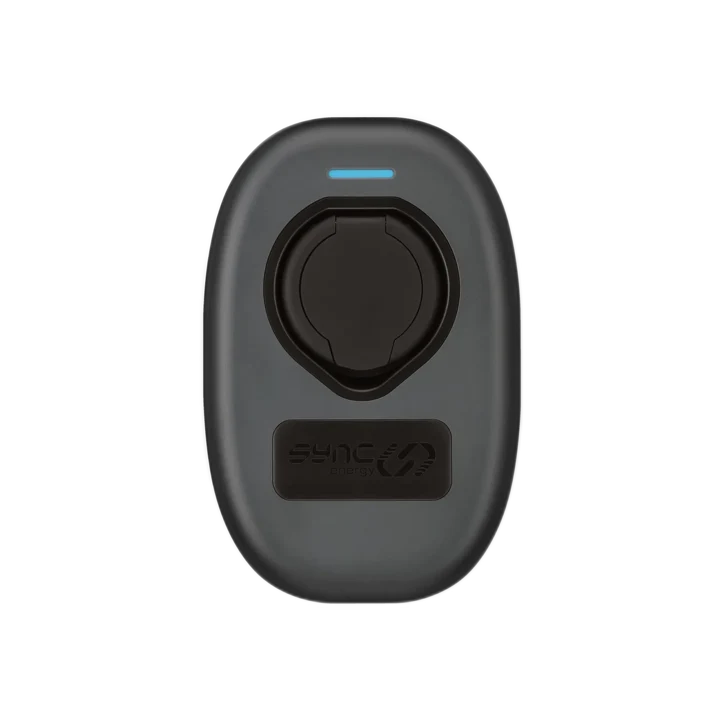
The Hive EV Charger (Sync Energy Wall Charger 2) is a charger you have fitted at home to charge an electric car, and it can also use spare power from solar panels. It charges at 7.4 kW, the usual speed for a home charger: about 25 to 30 miles of range for every hour plugged in. Octopus lists it for its smart EV tariffs, which charge the car when electricity is cheap.
Updated . We can make mistakes so always check with the manufacturer and your installer first. How we check
The questions most people start with, answered from Hive's own documents.
About 25 to 30 miles of range for every hour plugged in, and about 10 to 11 hours for a full charge for most cars. There is no 22 kW version.
It has a socket, so you will need your own charging cable (Type 2, the usual kind). Installers call a fixed cable "tethered" and a socket "untethered".

Octopus lists it, so Octopus can run its charging at cheap times for you. E.ON Next and OVO do not list it. It works with any overnight tariff that only needs a timer, such as EDF GoElectric.
 OctopusLists it
 E.ON NextNot listed
 OVONot listed
It can charge your car with spare power from your panels, instead of sending it back to the grid.

It uses the Type 2 connector, which most electric cars sold in the UK use. Check the charging socket on your car, or ask your installer.

Hive does not publish vehicle-to-home (V2H) or vehicle-to-grid (V2G) support for it, so it charges the car only. Chargers with vehicle-to-grid hardware.

It has mobile data built in (or as an option), so it can stay connected even if your Wi-Fi does not reach the driveway.

It has a built-in safety feature (Hive calls it PEN fault protection) that usually means no earth rod is needed. Your installer checks all of this first.

3 years, with Hive installation (2 years without).
As published by Hive, checked October 2026.
| Charger | Sync Energy Wall Charger 2 |
|---|---|
| Power | 7.4 kW maximum |
| Connector | Type 2 socket (untethered)Sync Energy also makes a 7.5 m tethered version; ask Hive if it can supply it |
| Protection | PEN fault protection, RCD and DC leakage protection (Hive)Sync Energy lists a 30 mA Type A RCD with 6 mA DC |
| Load management | Household load balancing (Hive) |
| App | Hive app; Power+ for British Gas electricity customers |
| Connectivity | Wi-Fi and LAN; 4G on selected models (Sync Energy) |
| OCPP | OCPP 1.6J (Sync Energy) |
| Installers | Qvanta, Ascent |
| Warranty | 3 years with Hive installation; 2 years without |
The three that share the most charger types with it, then any charger you choose, spec by spec.
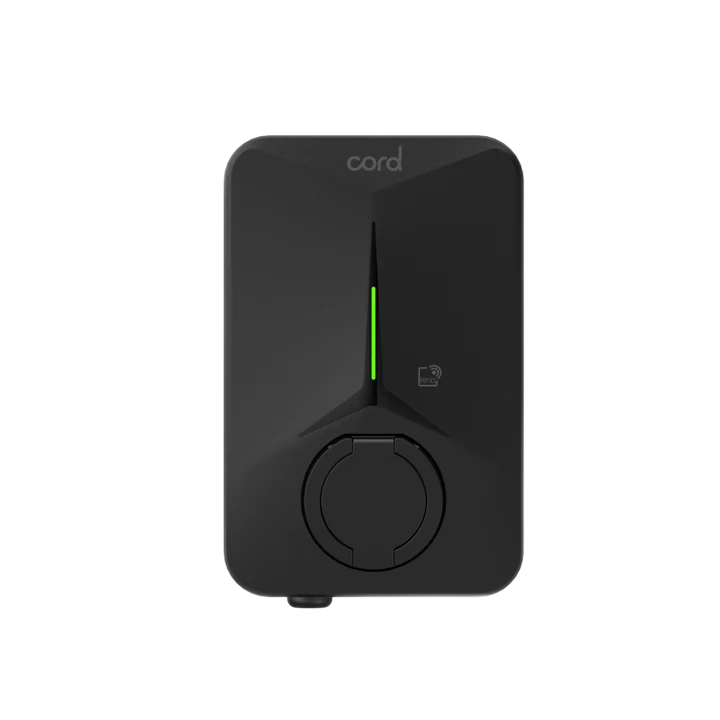
A 7.36 kW charger designed in the UK by Cord, with a socket or a 5 m, 8 m or 12 m tethered cable, Wi-Fi and 4G built in, and a 5-year product warranty.
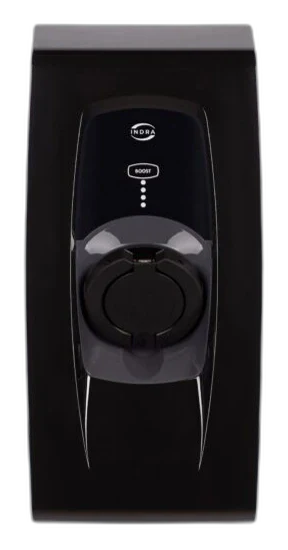
A 7.4 kW untethered charger designed and built in the UK by Indra, with solar matching, house fuse protection and listings with Octopus, OVO and E.ON Next.
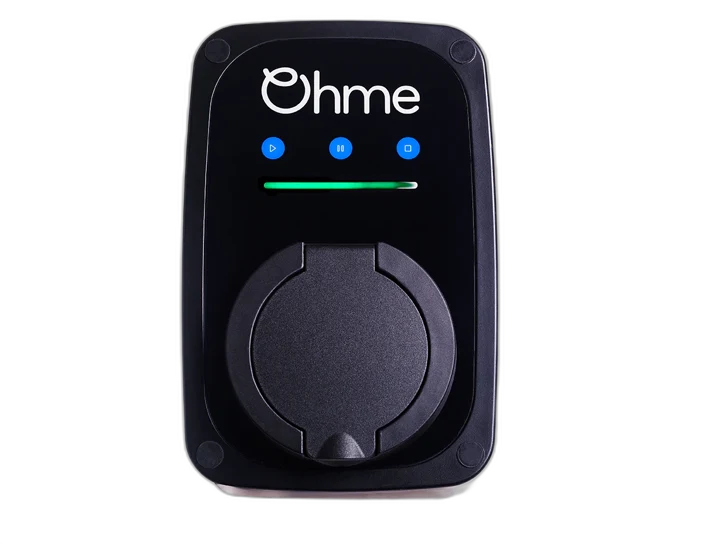
A 7.4 kW untethered charger from Ohme with a Type 2 socket and a built-in mobile data SIM, which Octopus lists as supported for Intelligent Octopus Go.
| Feature | Hive EV Charger (Sync Energy Wall Charger 2) | EO Mini Pro 3 | Cord Zero | Indra Smart PRO |
|---|---|---|---|---|
| Max power | 7.4 kW | 7.2 kW | 7.36 kW | 7.4 kW |
| 22 kW three-phase version | No | No | No | No |
| Cable | Type 2 socket (untethered) | Type 2 socket or tethered 5 m | Type 2 socket or tethered 5 m / 8 m / 12 m | Type 2 socket (untethered) |
| Solar charging | Yes | Yes | Yes | Yes |
| Load management | Yes | Yes | Yes | Yes |
| PEN fault protection | Built in | Built in | Built in | Not stated |
| Smart tariff lists (Octopus, OVO, E.ON Next) | Octopus (Intelligent Octopus Go) | Not listed | Octopus (Intelligent Octopus Go); OVO (Charge Anytime) | Octopus (Intelligent Octopus Go); OVO (Charge Anytime); E.ON Next (Next Drive Smart) |
| Connectivity | Wi-Fi, Ethernet, 4G (selected models) | Wi-Fi, Ethernet, GSM (mobile) | Wi-Fi, 4G | Wi-Fi, Ethernet (extra cost), Cellular (extra cost) |
| OCPP | OCPP 1.6J | OCPP (used for the ev.energy app) | OCPP 1.6 | Not stated |
| RFID | Not stated | Not stated | Yes | Not stated |
| Vehicle-to-grid or vehicle-to-home | No | No | No | No |
| Ingress and impact rating | Not stated | IP56/IP54 (as stated by EO) | IP54 (socket) / IP65 (tethered), IK08 | IP54 (brochure) / IP65 (product page), IK10 |
| Dimensions | Not stated | 230 x 151 x 125 mm | 320 x 210 x 132 mm | 200 x 420 x 130 mm |
| Warranty | 3 years with Hive installation (2 years without) | Not stated | 5 years (product) | 3 years |
Every feature, from Hive's datasheet, manual and product pages.
Hive, the smart home brand of Centrica (British Gas's parent), sells a home EV charger that its shop names the Sync Energy Wall Charger 2. The charger is made by Sync Energy, part of Luceco plc, and Hive sells it with installation by its approved installers. This page covers Hive's package; the charger itself is described on our Sync Energy EV Charger page.
Hive lists a maximum charging speed of 7.4 kW on a single-phase supply. The rate your car charges at is also limited by its own onboard charger.
Hive notes that its listed price is for the untethered charger, which has a Type 2 socket, and excludes accessories such as charging cables. Sync Energy also makes the same charger with a built-in 7.5 m Type 2 cable; ask Hive whether it can supply that version.
Sync Energy lists Auto Solar Charging as standard on this charger, which uses excess solar energy for charging.
The Hive app tracks spending, controls each charge and shows charging history. You can sync the app with your electricity tariff to see costs, and with a dedicated EV tariff it prioritises cheaper hours.
Hive's Power+ feature works with any British Gas electricity tariff. Hive says that with Power+ switched on, it charges your EV at the greenest and cheapest times, usually overnight, and credits 25% of the cost back to your energy bill. Power+ needs a compatible charger, a British Gas electricity tariff and a smart meter in credit mode.
On the energy suppliers' own lists (checked 4 October 2026), Octopus lists "Sync Energy Wall Charger 2" as supported for Intelligent Octopus Go. OVO and E.ON Next do not list Sync Energy or Hive.
Hive lists PEN fault protection, household load balancing, RCD protection and DC leakage protection. Sync Energy lists an integrated 30 mA Type A RCD with 6 mA DC and integrated open PEN conductor protection, so no earth rod is required.
Hive's installers are Qvanta and Ascent. Hive sends a personalised quote after you describe your installation, and says installation usually takes four to five hours on the day.
Sync Energy lists Wi-Fi and LAN on every model, with 4G on selected models, and OCPP 1.6J. Neither Hive nor Sync Energy publishes dimensions, weight, or ingress and impact ratings on its product page.
Hive gives a 3-year warranty when the charger is fitted by its installers, or 2 years without installation, subject to its Hive EV Charging installation terms. Hive is the first point of contact for claims and coordinates with the original installer.
Pick your car, how far you drive and a tariff. We use your car's own figures from our electric car data, the 26.32p price cap average as the standard rate, and the Hive EV Charger (Sync Energy Wall Charger 2)'s 7.4 kW for the charging time.
Charging 8,000 miles a year at home on Intelligent Octopus Go costs about £157, against £515 at the standard rate.
Rates checked October 2026, including 0% VAT; they vary by region and change often, so check with the supplier.
Three steps from here to your first charge at home.
You need somewhere to park off the street, such as a driveway or garage. If you rent, or own a flat with private off-street parking, the EV chargepoint grant can cover 75% of the cost of buying and installing a chargepoint, up to £500.
Browse EV charger installers in 50 UK cities, each with its published Google rating, and ask for the Hive EV Charger (Sync Energy Wall Charger 2) by name.
The installer checks your fuse box and earthing, fits the charger on its own circuit, tells your local network operator and connects it to the app.
Updated . We try to compare features of chargers and user experiences. We can make mistakes so always check with the manufacturer and your installer first.
Cite this page: Best Chargers, "Hive EV Charger (Sync Energy Wall Charger 2) review", specs checked October 2026, https://www.bestchargers.co.uk/hive-sync-energy-2/. Also as Markdown and JSON.
Every charger we compare, A to Z. Swipe or use the arrows to browse.
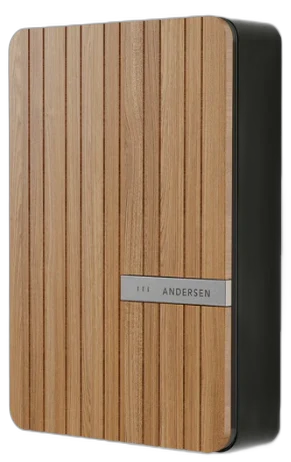
A 7 kW single-phase charger from Andersen with a 5.5 m cable that stores inside the housing, convenience lighting and a 7-year warranty.
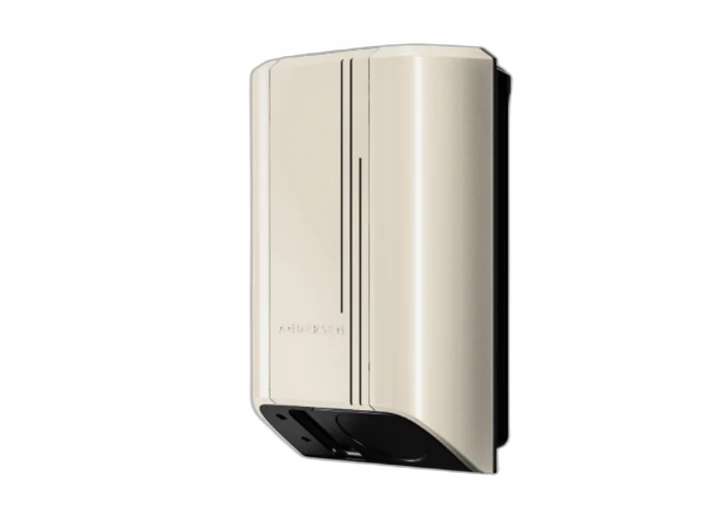
Andersen's smallest charger, available at 7 kW or 22 kW with a socket or tethered cable, 11 colours and a 7-year warranty.
A 7.36 kW charger designed in the UK by Cord, with a socket or a 5 m, 8 m or 12 m tethered cable, Wi-Fi and 4G built in, and a 5-year product warranty.
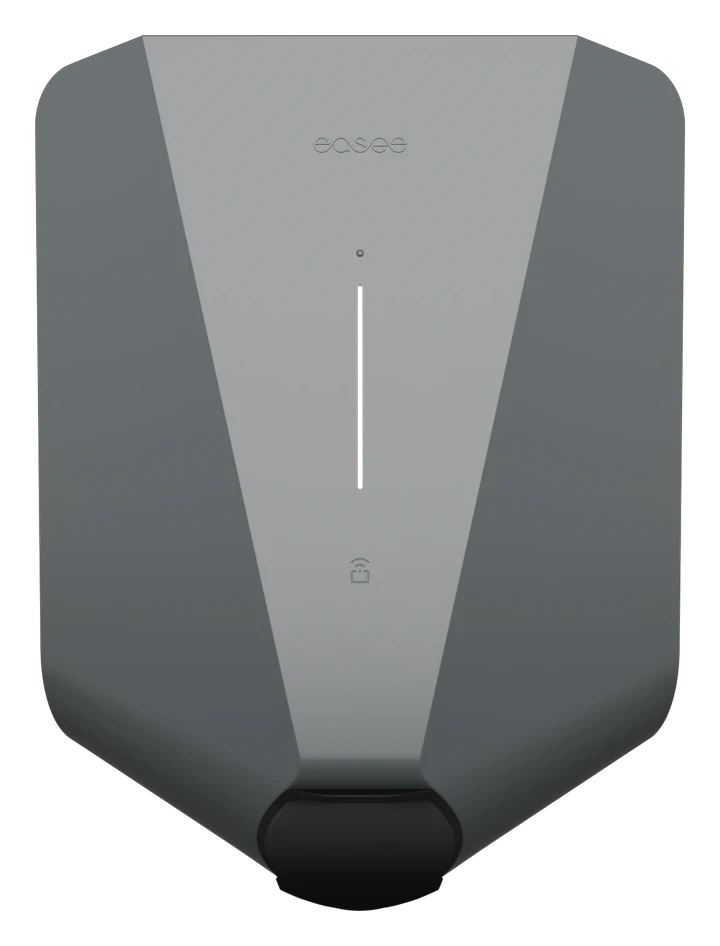
A 7.4 kW socket charger developed by Easee for the UK market, with a cable lock that makes it tethered or untethered, a built-in eSIM and integrated open PEN protection.
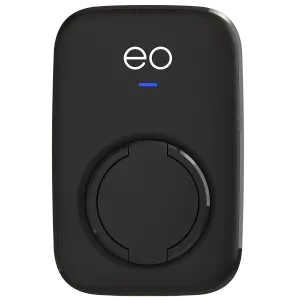
A 7.2 kW single-phase charger from EO, the size of an A5 notepad, with CT clamps for solar and power balancing included and an app now run by ev.energy.
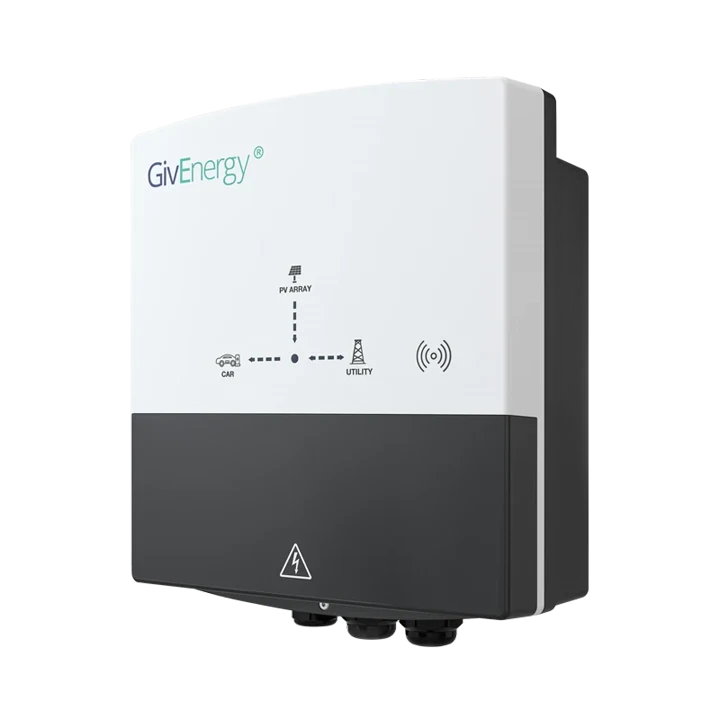
A 7 kW tethered solar-diverting charger from GivEnergy. GivEnergy Ltd has been in administration since 9 April 2026; check warranty and support before buying.
Hive's home EV charger is the Sync Energy Wall Charger 2, sold with installation by Hive's installers and controlled in the Hive app, with Power+ for British Gas customers.
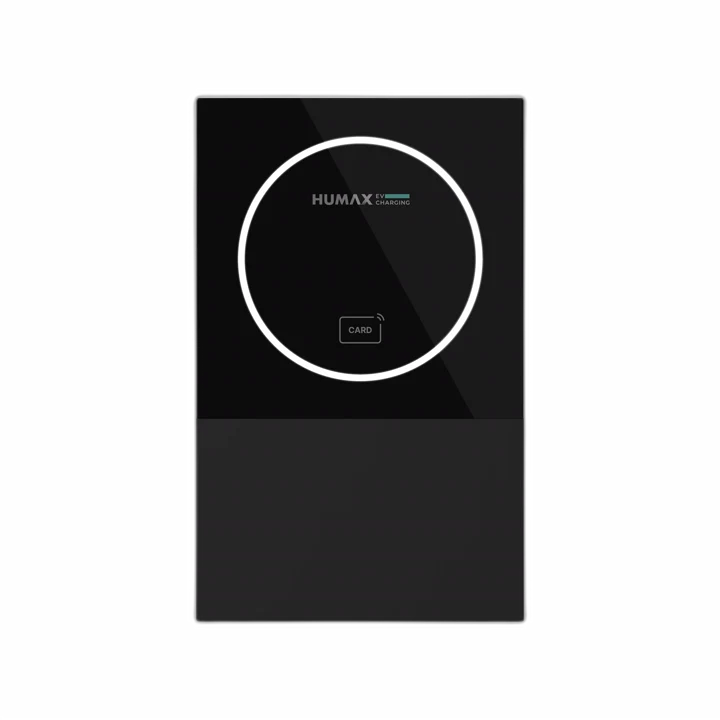
A 7.4 kW single-phase charger from Humax with vehicle identification, solar charging and V2G-ready hardware that Humax says is not yet commercially supported.
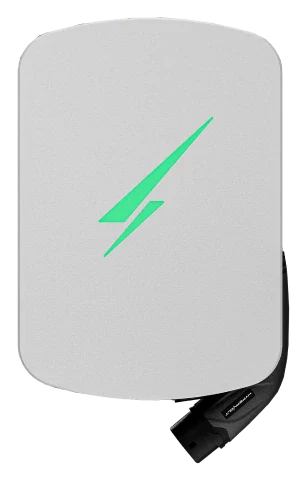
A 7.4 kW tethered charger with solar charging modes, automatic load management and a CT clamp in the box, listed by Octopus, OVO and E.ON Next for their smart tariffs.
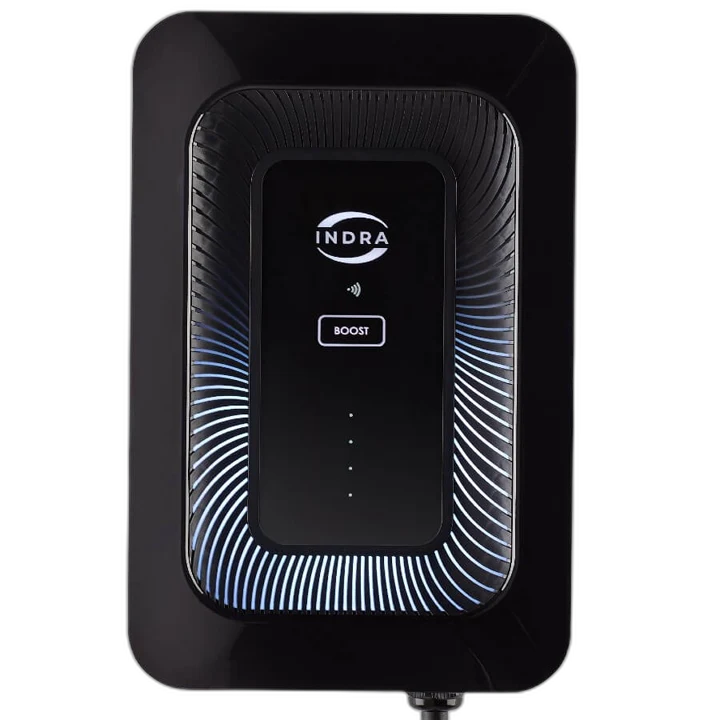
A 7.4 kW tethered charger from Indra, 78 mm deep, with a 6 m or 10 m cable, O-PEN fault detection and listings with Octopus, OVO and E.ON Next.
A 7.4 kW untethered charger designed and built in the UK by Indra, with solar matching, house fuse protection and listings with Octopus, OVO and E.ON Next.
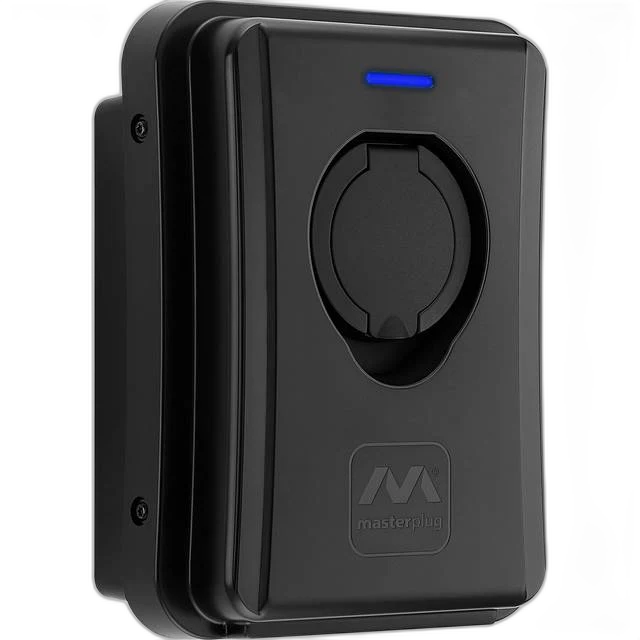
A 7.4 kW single-phase charger from Masterplug, part of Luceco plc, controlled through the Sync Energy app, with a load management clamp and PEN protection.
A 7 kW or 22 kW home charger from myenergi with three charging modes, two of which use surplus solar generation, and a grid current sensor supplied in the box.
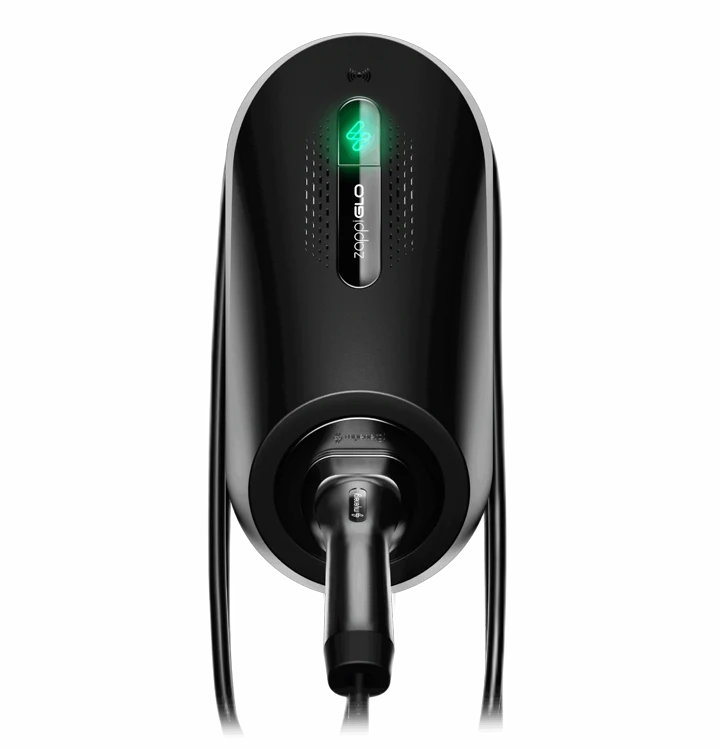
A screen-free 7 kW single-phase charger from myenergi, controlled through the app, with an RFID access key and a Smart Mode that can use surplus solar.
A 7.4 kW untethered charger from Ohme with a Type 2 socket and a built-in mobile data SIM, which Octopus lists as supported for Intelligent Octopus Go.
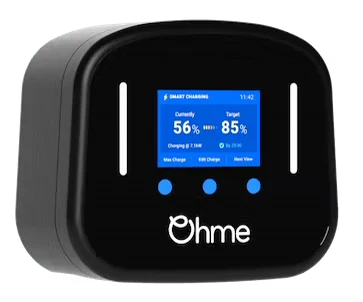
A 7.4 kW tethered charger from Ohme with a colour screen and a built-in mobile data SIM, which Octopus lists as supported for Intelligent Octopus Go.
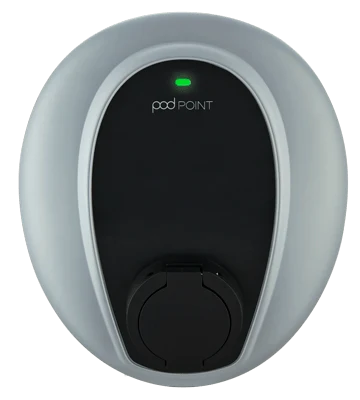
Pod Point's home charger, sold untethered or with a 6.5 m cable, with a power balancing sensor that must be fitted and built-in PME fault protection.
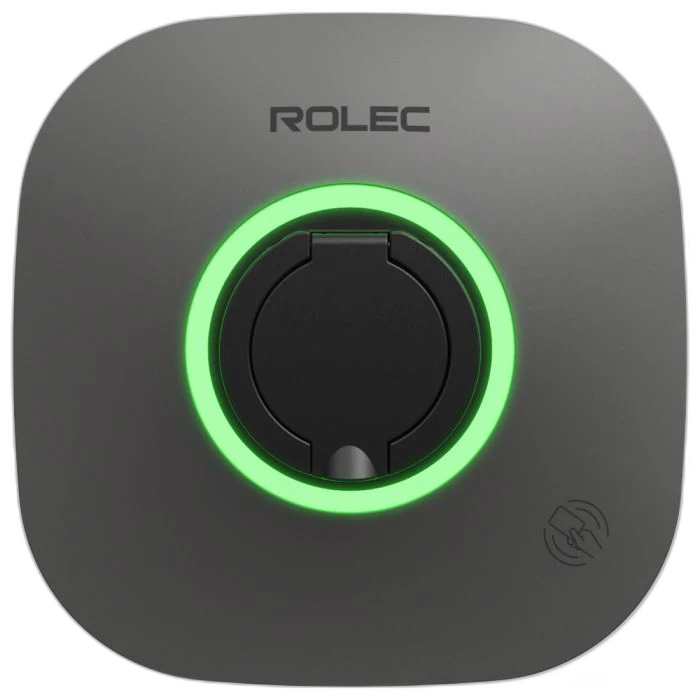
A socketed charger from Rolec in 7.4 kW and 22 kW versions, with solar modes, dynamic load balancing, RFID cards and a 5-year warranty.
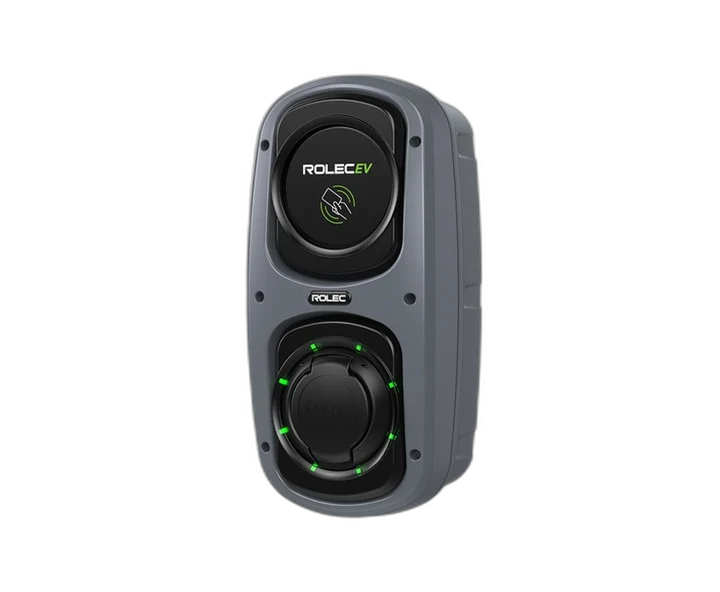
A 7.4 kW single-phase charger designed and manufactured in the UK by Rolec, with socket or tethered versions, 4G, Wi-Fi and Ethernet, and MID-approved metering.
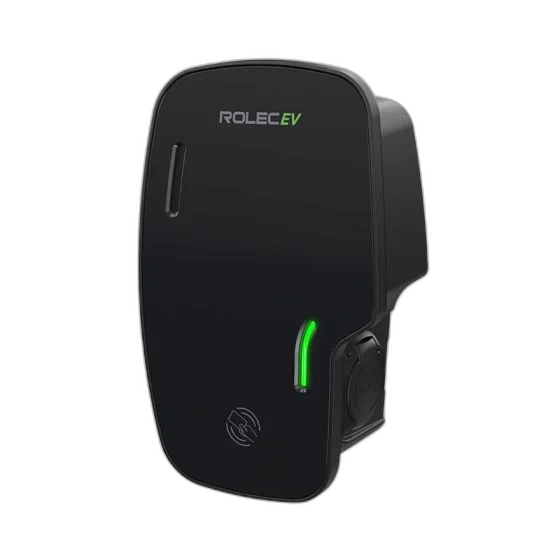
A charger from Rolec with one or two outlets, in 7.4 kW single-phase or 22 kW three-phase versions, designed and manufactured in the UK.
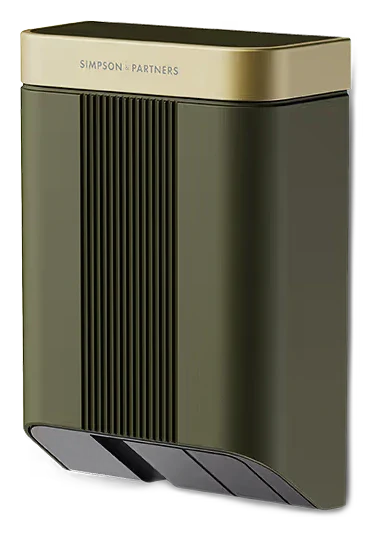
A 7.4 kW or 22 kW charger with a hand-painted aluminium front, made in the Cotswolds by Simpson & Partners, with a 10-year enclosure warranty.
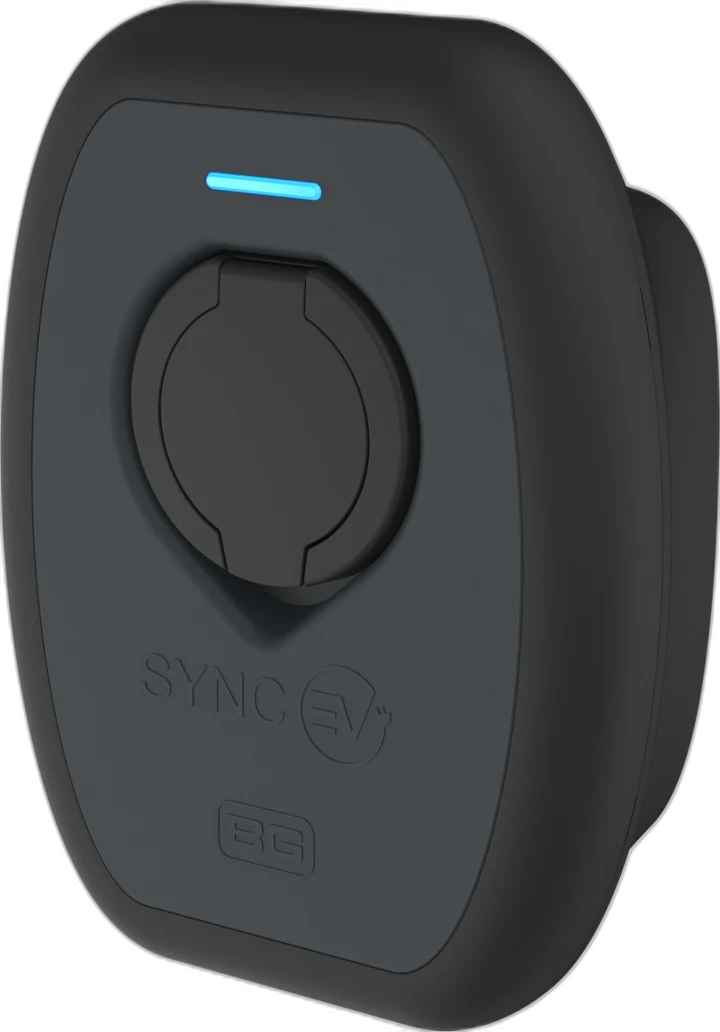
The Sync Energy EV Charger from Luceco plc, sold socketed or with a 7.5 m cable, with Wi-Fi, Ethernet and optional 4G, and listed by Octopus for Intelligent Octopus Go.
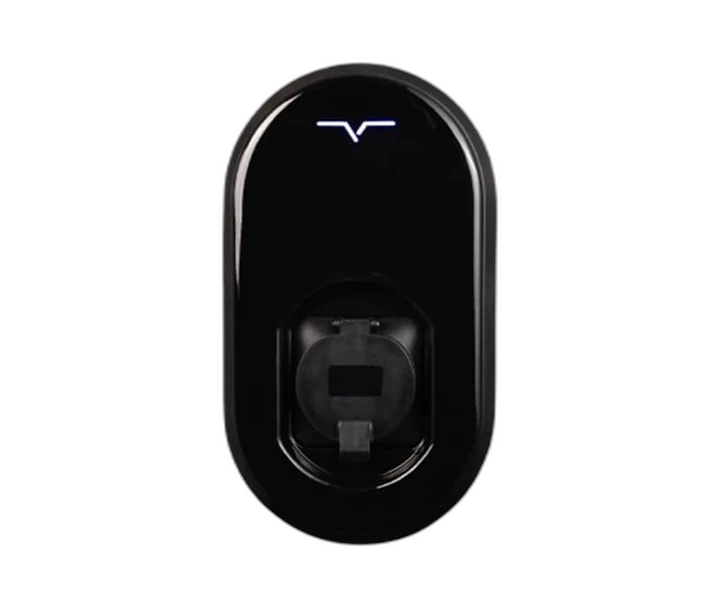
A 7.4 kW single-phase charger from VCHRGD with a push-fit design, CT clamp, RFID reader and OCPP 1.6J, listed by Octopus for Intelligent Octopus Go.
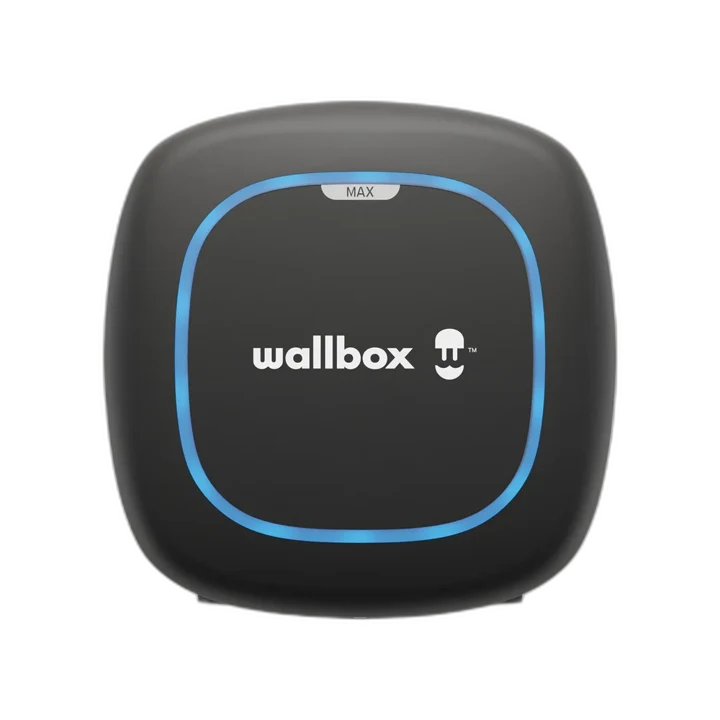
A compact charger from Wallbox in 7.4 kW, 11 kW and 22 kW versions, tethered or with a socket, with a 5-year warranty and listing for Intelligent Octopus Go.
Wallbox's bidirectional home charger, which can power a home from a compatible car's battery. Wallbox's UK page offers a 'keep me updated' sign-up rather than a quote.
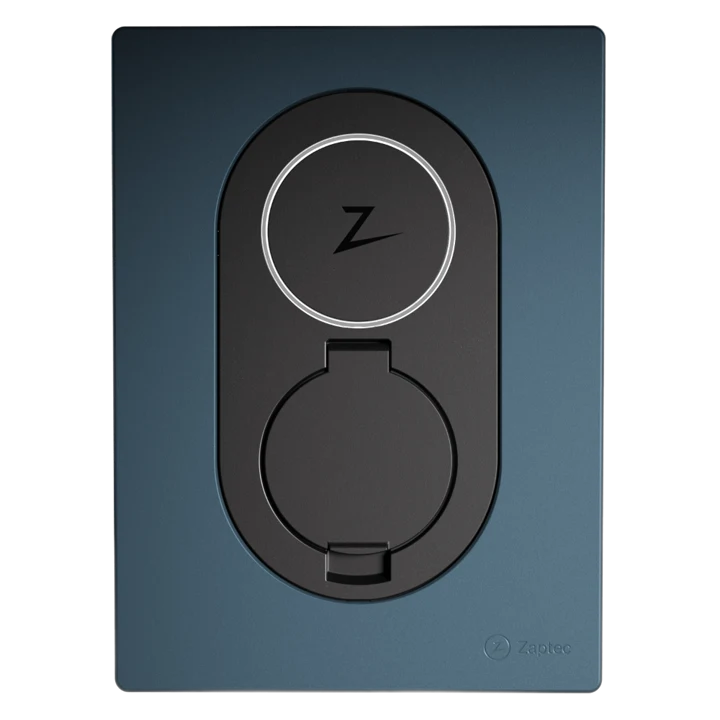
A 1.3 kg socketed charger designed and made in Norway by Zaptec, up to 7.4 kW single-phase or 22 kW three-phase, with Wi-Fi, 4G LTE-M and a 5-year guarantee.