
On this page
Hypervolt EV Charger is a strong option if you want a smart home charger that combines compact design, solar support, and useful app control. The Hypervolt Home 3 Pro is suitable for both residential and business environments, offering flexibility for homeowners and organisations alike. It sits near the premium end of the UK market, so the key question is not whether it can charge your car, because it can, but whether its features match your home, tariff, and driving pattern.
If you already use solar panels, want cleaner cable management, or like the idea of tracking charging costs in an app, the Hypervolt Home 3 Pro is worth close attention. You should focus on how it fits your property, your electricity tariff, and your daily routine, because that is what decides real value. If you are comparing it with Zappi, Indra Smart Pro, or other UK options, the best next step is to check installation prices and tariff compatibility alongside the charger itself, and Best Chargers is a useful neutral place to start that comparison.
What To Know Before Choosing A Home Charger
A home EV charger needs to match your supply, your parking setup, and the way you charge day to day. Hypervolt is a 7.4kW single-phase charger, so it fits many UK homes, yet it is still worth checking your fuse rating, driveway layout, and whether you need a tethered cable. You should also check if your vehicle and charger are compatible with your chosen energy tariff or smart scheduling features.
Who Hypervolt Suits Best
Hypervolt suits you if you want a tidy, premium wallbox with smart controls and you charge at home most days. It also makes sense if you care about app control, solar matching, and a neat finish on a garage wall or outside wall.
It is less compelling if you only need basic charging with no smart features. In that case, a lower-cost charger may be enough.
Tethered Vs Untethered Considerations
Hypervolt Home 3 Pro is usually seen as a tethered charger, which means the cable is attached to the unit. That is convenient if you want quick plug-in charging without carrying a cable from the boot each time.
An untethered charger gives you more cable flexibility, and the cable is typically light and flexible, enhancing ease of use and manoeuvrability, especially helpful for users with mobility issues. Tethered is often easier for everyday use, while untethered can suit mixed households better.
Charging Speed, Connector Type, And Home Supply
Most UK homes will see Hypervolt charge at up to 7.4kW on a single-phase supply. That is fast enough for overnight charging and often adds a practical amount of range each hour.
It uses a Type 2 connector, which is the standard for most UK EVs. If you have three-phase power or a more complex setup, ask the installer to confirm whether your home can support the charger at full output and whether any load limiting is needed. Note that some smart scheduling features may require a compatible vehicle.
Key Features And Everyday Use
The Hypervolt Home 3 Pro focuses on ease of use as much as charging speed. In daily use, the app, scheduling tools, and energy tracking are the parts you are most likely to use often, giving you full control over your charging process, including schedules, load management, and solar charging modes.
Hypervolt Home 3 Pro At A Glance
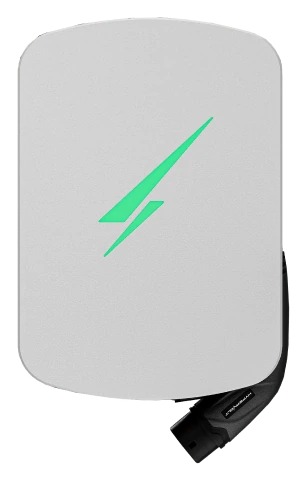
The Hypervolt charger, known as the Home 3 Pro, is a smart 7.4kW unit featuring a minimalist design, compact footprint, and customisable LED lighting that enhances its modern aesthetic. Its clean front panel, LED status ring, and convenient cable wrapping make it both stylish and user-friendly. Built in the UK and available in a choice of colour finishes, it looks more polished than many basic wallboxes.
It also includes built-in PEN fault protection, which can simplify installation in many homes. That matters because it can remove the need for an earth rod in relevant setups, saving space and reducing installation complexity.
Hypervolt App, Scheduling, And Remote Control
The Hypervolt app is a major part of the appeal. You can set charging times, check status, and manage charging without needing to stand next to the unit. The app also provides real-time energy monitoring, allowing you to instantly track your energy consumption.
Scheduling is useful if you want to charge during cheaper night rates or during solar peaks. Remote control is handy too, especially if you want to pause charging, start a boost charge, or check whether the car is still plugged in.
Energy Monitoring And Cost Tracking
Energy monitoring gives you a clearer view of what charging is costing you. The app can also display your household load, showing real-time energy usage from all appliances. That is useful if you use an EV tariff or want to compare home charging costs with public charging.
In practice, the best value comes when the app data matches your tariff and your routine. If you can see when you charge, how much you use, and what it costs, it becomes much easier to spot waste and plan cheaper charging windows.
Smart Charging, Solar, And Tariff Compatibility
Hypervolt is strongest when you treat it as part of a wider energy setup, not just a charger on the wall. Its smart functions can work with solar and with off-peak tariffs, and as a smart EV charger, it can optimise energy use and charging schedules, which is where many UK drivers find the real savings.
Dynamic Load Management Explained
Dynamic load management helps protect your home supply by adjusting charging power when other appliances are in use. If the oven, heat pump, or shower is running, the charger can reduce demand instead of overloading the circuit.
That is useful in busy homes and in properties with limited spare capacity. It can also reduce the risk of nuisance trips, which is a practical benefit you notice quickly if you charge overnight.
Solar Charging Modes And Self-Consumption
The Hypervolt Home 3 Pro is solar charging ready, allowing you to use energy from your solar panels to charge your electric vehicle without any additional equipment. Hypervolt Home 3 Pro supports three solar charging modes; Boost, Eco mode, and Super Eco mode, that help you use more of your own generation. In Eco mode, the charger prioritises solar energy and will only switch to grid power if solar output drops below 1.4kW, making your charging more sustainable and energy-efficient. Super Eco mode takes this further by relying exclusively on solar energy; charging will stop if solar output falls below a certain threshold, maximising the use of renewable energy and minimising grid dependence. These eco and super eco settings mean you can push surplus solar into the car rather than exporting it or buying more from the grid.
For you, the main benefit is higher self-consumption. If your car is parked at home in daylight, solar matching can make a real difference to running costs across the year.
Energy Tariff Integration And OVO Charge Anytime
Energy tariff integration is one of Hypervolt’s key selling points. It is designed to work with smarter charging schedules, and smart energy management features include the ability to schedule charging based on tariff rates. Electric vehicle chargers can integrate with time-of-use tariffs to charge during cheaper off-peak hours. The Hypervolt Home 3 Pro integrates with smart energy tariffs like Octopus Intelligent Go, Intelligent Octopus, and OVO Charge Anytime, enabling automated charge scheduling based on energy prices. Using smart tariffs can help EV owners save money by charging during off-peak hours when electricity rates are lower. Hypervolt works seamlessly with every supplier, ensuring broad compatibility and versatility within various supply networks. The charger also supports smart home integration, allowing connection with smart home systems for enhanced control, and offers solar integration as a key feature, enabling seamless connection with solar power systems to maximise solar energy use for home charging and smart energy management.
That matters for tariffs such as OVO Charge Anytime and similar EV-focused deals. If you use a smart meter and the charger or app can align with your tariff rules, you are more likely to charge cheaply without changing your routine too much.
Design, Safety, And Installation Factors
You should judge Hypervolt on more than looks. Build quality, weather protection, and the ease of installation all affect how well it works in a real UK home. The Hypervolt Home 3 Pro is fully compliant with UK safety standards and regulations, ensuring safe and legal use for domestic installations.
Size, Cable Lengths, And Finish Options
The Home 3 Pro is compact for a smart charger, which helps if your wall space is tight. Its clean design and cable tidy features give it a more premium look than many bulkier rivals, and it is available in stylish Space Grey and Ultra White finishes for a sleek, modern appearance.
Cable length choices matter too. The Hypervolt Home 3 Pro offers three cable options; 5m, 7.5m, and 10m, providing flexibility for different driveway sizes and making it easier to reach your car, even if it does not always park in the same spot.
PEN Protection, Weather Resistance, And Durability
Built-in PEN protection is a practical safety feature and a genuine installation benefit in many UK homes. It can reduce the need for extra grounding hardware where the electrician confirms it is appropriate.
The charger is also built for outdoor use, with strong weather and impact ratings. That matters if your charger will face rain, frost, or occasional knocks near a driveway or garage entrance.
What To Expect From Installation In The UK
A standard installation often takes a few hours, but the exact job depends on cable run length, consumer unit access, and whether any upgrades are needed. You should expect a site survey or pre-install check first.
Installer quality matters as much as the charger. A good installer will confirm load limits, location, Wi-Fi or Ethernet needs, and tariff setup, then place the unit where the cable reaches comfortably without clutter.
How It Compares With Other Popular UK Chargers
Hypervolt sits in a competitive part of the UK market. Its design and customisable lighting can enhance the look of your house, blending seamlessly into modern home environments. It is not always the cheapest choice, so the comparison with Zappi and Indra Smart Pro comes down to your priorities, not specs alone.
Hypervolt Vs MyEnergi Zappi
Zappi is often the better-known solar-first charger, and it has a strong reputation for renewable energy control. If solar is your main goal, Zappi still deserves a close look.
Hypervolt can feel more polished in day-to-day use, especially if you value app design, compact styling, and tidy installation. Zappi may suit deeper solar users, while Hypervolt can appeal more if you want a premium smart charger that still handles solar well.
Hypervolt Vs Indra Smart Pro
Indra Smart Pro is a strong choice if tariff optimisation is your main aim. It is built for smart scheduling and can suit homes that want simple tariff-based charging.
Hypervolt feels more compact and design-led, with a cleaner user experience for many buyers. If you want a charger that looks sharp on the wall and still offers solar and tariff features, Hypervolt has the edge for some homes.
When A Premium Compact Charger Makes Sense
A premium compact charger makes sense when you will use the smart features often. If you want app control, energy tracking, and a neat finish, the extra cost can be easier to justify.
If you rarely need scheduling or solar support, you may not get full value from Hypervolt. In that case, compare basic installers and tariffs first, then decide whether the charger itself needs to be premium.
Verdict And Best Fit Scenarios
Hypervolt is a well-rounded smart charger for UK homes that want style, control, and solid solar support. It is not the cheapest, yet it does combine several features that can make daily charging easier.
Main Pros And Trade-Offs
The main strengths are the app, compact design, solar support, and energy monitoring. PEN protection and strong weather resistance also help make it a practical fit for UK homes.
The trade-off is price. You are paying for a more polished product, so if you will not use smart charging or solar features, the value drops quickly.
Best For Solar Homes, Tariff Savers, And Design-Focused Buyers
Hypervolt suits you best if you have solar panels, want to use off-peak tariffs, or prefer a charger that looks neat on the wall. It is a good fit for households that want charging to be part of a wider energy plan.
If you care about home appearance as well as performance, it is also one of the better options in its class. The design is not just cosmetic, because the compact shape and cable management also make daily use easier.
When To Compare Installers And Energy Tariffs
You should compare installers before you commit, because the installation quote can change the real cost as much as the charger price. The same is true of tariffs, since charging habits can save or waste money depending on the plan you choose.
If you are still deciding, compare Hypervolt alongside Zappi, Indra Smart Pro, and tariff-friendly options on a UK-focused comparison site such as Best Chargers. That gives you a clearer view of the full cost, not just the hardware price.
FAQs
How much does a home EV charger typically cost in the UK, including installation?
Home EV charger pricing in the UK varies widely by model and features, and installation adds to the total. The final figure depends on cable length, supply upgrades, and the installer's quote, so get an itemised quote rather than relying on a headline price.
What is involved in getting a home EV charger installed, and how long does it take?
An installer will normally check your consumer unit, parking position, cable route, and supply capacity before fitting the charger. A standard installation often takes a few hours, while more complex jobs can take longer if your home needs extra electrical work.
Which features should I look for in a smart home EV charger and companion app?
Look for scheduling, energy monitoring, tariff support, load management, and clear charge status in the app. If you have solar panels, check for solar matching or surplus solar charging modes as well.
How do I use the charger's manual settings and scheduled charging to reduce electricity costs?
Set your charging window to match your cheapest tariff period, then use manual boost only when you need a quick top-up. If your charger supports it, align charging with low overnight rates or high-solar daytime periods to cut costs further.
Is a smart home EV charger a worthwhile upgrade compared with using a 3-pin plug lead?
Yes, for most regular EV drivers it is. A dedicated charger is faster, safer, and easier to live with, and smart features can help you reduce bills if you charge often.
How can I prevent someone from unplugging or tampering with my car while it's charging?
Use the car's locking function if it has one, and choose a charger that supports lock mode or cable lock features. A tethered charger can also reduce casual unplugging, and a well-placed unit with app monitoring gives you more control over charge status.