On this page
Welcome to our zappi v2.2 review 2026, a comprehensive charger review designed to help you make an informed decision about your next home EV charger. In this zappi ev charger review, we’ll cover the features, benefits, and technological advantages of the MyEnergi Zappi, with a special focus on its solar energy integration and smart control capabilities.
The Zappi Charger stands out as a top pick for home EV charging, especially if you want a solution that works seamlessly with solar panels, off-peak tariffs, and the typical UK driveway. Manufactured in-house in the UK, the MyEnergi Zappi isn’t just a basic charger; it’s a smart EV charger built for drivers who want more than just a standard grid connection. It’s compatible with any electric car or electric vehicle and is designed to integrate with the wider myenergi ecosystem (Eddi, Libbi) as a home energy setup grows.
You should consider Zappi if you want a charger that can use surplus solar power, support cheaper overnight charging, and fit into a broader home energy setup. The Zappi is suitable for domestic properties, making it ideal for typical UK homes. If that sounds like your kind of EV charging, the next thing is to compare the charger variant, your installation needs, and what tariff or solar setup fits your home.
Key Takeaways
-
Zappi shines when you want solar-aware charging.
-
It fits homes using off-peak tariffs or home energy systems.
-
Installation is usually easy with a decent installer.
What Makes It Stand Out
The Zappi stands out because it’s a smart charger focused on flexible smart EV charging rather than just plug-and-play. It can work with grid power, solar, or a mix, so you can charge however your home setup allows.
The Zappi is a well-established smart home charger, known for its solar integration and flexible charging modes.
If you want eco-smart EV charging that supports self-generated energy and gets you closer to energy independence, this is a practical way to charge smarter without giving up convenience.
Designed for Solar, Grid, or Mixed Charging
Zappi is ideal for solar homes looking to maximise use of their solar system, as it is designed for seamless integration with solar photovoltaic panels; now or in the future. It can utilise surplus energy generated from your solar system or wind turbine, maximising the use of renewable resources to charge your electric vehicles. Zappi monitors solar generation in real time and can divert excess solar directly to your car’s battery, optimising renewable energy usage. It also uses a CT clamp to monitor household energy flow and optimise charging, ensuring efficient use of available power. Zappi can divert power from wind turbines as well as solar PV, making it compatible with multiple renewable sources without special adjustments. It charges from the grid like any home charger, or it can draw from your excess solar when your panels are producing more than you need. When renewable energy is insufficient, Zappi can draw from grid energy as a backup. Using free solar for charging can significantly reduce costs.
That flexibility is the real draw. No solar? It still works as a regular charger. Got solar? Now it gets interesting. Zappi supports charging all modern electric vehicles and plug-in hybrids (PHEVs).
Three Charging Modes Explained
Zappi’s three charging modes offer flexibility, letting you choose a mode that prioritises green energy, mixes sources, or just charges as fast as possible, depending on your needs and your vehicle’s power output.
-
ECO mode maximises the use of renewable energy from solar panels, using available surplus power where possible.
-
ECO+ mode charges exclusively from surplus solar energy, pausing when solar generation decreases and resuming when it increases, resulting in lower charging costs per mile. It dynamically adjusts power output based on your home’s energy consumption and generation, ensuring only surplus renewable energy is used.
-
FAST mode delivers maximum power for fast charging, using grid power regardless of whether the energy source is renewable or grid-based.
The Zappi EV charger is designed to monitor in real time how much energy is available from your home’s solar generation and dynamically adjust the charging rate to match surplus output, allowing for solar divert or solar-matched charging.
You get control over cost, speed, and how much renewable energy you’re actually using. The Zappi can also schedule charging to take advantage of cheaper overnight energy tariffs and includes a manual boost function to accelerate charging sessions when needed.
Who It Suits Best in the UK
Zappi is a great fit if you have solar panels, plan to add them, or want a charger that works well with a broader home energy system. It also makes sense if you care about running your car on cheaper off-peak electricity.
If you just want something simple and cheap, Zappi probably isn’t for you. But if you want smart charging with solar support, it’s a strong contender.
Key Features and Everyday Use
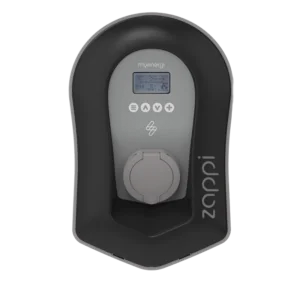
In daily life, Zappi gives you all the core features you’d expect from a modern smart EV charger, including a backlit LCD display that provides real-time charger status, a simple menu system with four buttons for on-unit control, and built-in Wi-Fi for seamless connection to your home network. The straightforward Wi-Fi connection process enables remote monitoring, software updates, and integration with smart home systems. The myenergi app, available for both iOS and Android devices, offers real-time data visualisations of energy flow, including charging activity, solar generation, home consumption, grid import, and export. Through the app, users can set personalised charging schedules, monitor energy usage, switch between charging modes, and view historical data to optimise charging and maximise the use of renewable energy sources. The app is intuitive and user-friendly, though some advanced features are only available directly on the charger itself.
You’ll see the Zappi 2.1 and Zappi Glo names pop up a lot. Both are part of the Zappi family, and your choice really depends on version, cable style, and how much control you want at the unit.
Power Options, Cable Types, and Charger Formats
Zappi comes in 7kW and 22kW versions, with the standard power output being 7kW for homes with a single-phase supply and 22kW for properties with a three-phase setup. Most UK homes use a single-phase supply, making the 7kW model the most common and compatible choice for residential installation.
You can pick a tethered model (with an attached cable) or an untethered version. The tethered model is quicker for daily use, while the untethered unit offers flexibility if you want to swap cables.
The Zappi EV charger is designed with built-in WiFi and Ethernet cable connectivity, so you don’t need a separate hub for network integration. This allows for easy setup, reliable remote monitoring, and firmware updates.
Using the myenergi app for Scheduling and Control
The myenergi app lets you check charging status, set schedules, and control how the charger behaves. Handy if you want to line up charging with cheaper tariff windows or during peak solar generation.
The app is most helpful when you want to charge around your routine and not have to think about it every night. It’s also good if you have other MyEnergi products in the house.
Build Quality, Weather Protection, and On-Unit Controls
The Zappi charger is engineered for reliable performance, ensuring consistent and dependable operation in daily use. The charging port is recessed into the body of the charger, providing weather protection and ease of use. Zappi is constructed from robust, weather-resistant materials and boasts an IP65 durability rating, making it suitable for outdoor mounting in the UK and able to withstand harsh weather conditions. It’s built for fixed installation, so it’s meant to stay put and handle daily use. The Zappi charger also features built-in safety measures, including a 30mA Type A RCD with 6mA DC protection and built-in PEN fault protection, which eliminates the need for an external earthing device or earth rod in most installations. This enhances installation safety and compliance. For a qualified electrician, installing the Zappi is a familiar job with minimal extra electrical components required.
You also get on-unit controls, which is a plus if you don’t always want to use the app. Some people just prefer a physical interface; totally fair.
Solar Charging and Home Energy Integration
Zappi really shines if you want solar-aware charging that makes use of the power you generate yourself. It’s designed for homes aiming for more energy independence by turning surplus generation into useful EV charging, and as part of the wider myenergi system it can divert solar surplus to charge your EV, store energy in a home battery, or heat hot water, maximising your use of renewable energy.
The charger fits nicely into the broader myenergi system, allowing users to connect and control EV charging, home battery storage, and hot water systems for optimised energy management. Dynamic load balancing is also included, which helps prevent overloading your home’s main fuse by automatically adjusting power delivery. If you already think in terms of intelligent car charging and home energy control, Zappi is a practical way to pull it all together.
How Surplus Solar Charging Works
When your solar panels are generating more than your home is using, Zappi can push that spare power into your car, enabling free charging by diverting surplus solar energy to your EV at no additional cost. That cuts down on how much you buy from the grid.
It doesn’t mean every charge will be 100% solar, but it lets you use your home generation more efficiently; especially during the day or on those bright, low-demand days. How much of your charging comes from solar depends on your system size, your driving pattern, when the car is at home, and the time of year.
Pairing With Batteries and Other myenergi Devices
Zappi works alongside other MyEnergi products, like the Eddi solar power diverter. That way, you can use surplus generation in more than just one part of your home.
If you already have batteries, solar, or other smart gear, Zappi fits right in. The myenergi app helps you keep tabs on how the whole system is behaving.
When Solar Features Are Worth Paying For
Solar features are worth it if you have panels, plan to get them, or want a charger that supports future upgrades. If your car’s always going to be charged from the grid and you don’t see that changing, maybe not.
If you want the lowest upfront price and don’t care about solar, Zappi might be more than you need. But if you want your charger to work with renewables from the start, the extra cost makes sense.
Installation, Safety, and Setup
A Zappi EV charger is known for its simple installation process because it requires minimal electrical components for setup. Typically, installation only needs a 230V/240V nominal AC supply from a 32A circuit breaker, which most domestic properties can accommodate with minimal electrical work. This means a qualified electrician can usually install the Zappi in a few hours, as no earth rod is required in most homes and it simply connects to a power source. Your electrician will still need to check the supply, cable route, and mounting spot before fitting the unit, but the straightforward wiring makes the process quick and accessible.
Typical UK Home Installation Requirements
Most installs need a suitable consumer unit, a cable run, and a safe mounting point (inside or out). The setup depends on the distance from your meter box, the condition of your electrics, and whether upgrades are needed.
A standard install is usually straightforward, but older homes can need extra work. If you want a tidy job, get a site survey before booking.
Why No Earth Rod May Be Needed
Zappi includes built-in PEN fault protection in many versions, so some homes don’t need an earth rod. That can cut down on complexity and avoid extra groundworks.
Still, it’s worth checking your property’s setup. Your installer should confirm if your home can use that feature or if extra protection is required.
How to Find an Installer and Compare Quotes
If you want to find an installer, start with people who already fit Zappi units and know solar-linked setups. MyEnergi maintains a network of trained installers across the UK, which is a good place to start.
Compare at least two or three quotes and ask what’s included; cable length, consumer unit work, testing, the lot. Sometimes a cheaper quote leaves out important bits, so check the details.
Running Costs, Tariffs, and Value for Money
Zappi can help you lower running costs if you use a time-of-use energy tariff or make the most of solar. By taking advantage of economy tariffs and responding to dynamic or off-peak energy prices, Zappi can detect off-peak tariffs and automatically schedule charging sessions for when electricity is cheapest, reducing your charging costs.
If you like to charge smarter, Zappi gives you the tools. It supports smart EV charging that works with self-generated energy, off-peak periods, and long-term cost control. By optimising energy usage and reducing reliance on grid electricity, Zappi helps lower your carbon footprint and energy bills, using grid electricity as a backup when solar or renewable sources aren’t available. Utilising free energy from solar or wind generation can further reduce your running costs and maximise the use of renewable resources.
Additionally, Zappi supports the Open Charge Point Protocol (OCPP 1.6J), allowing integration with third-party charge point management platforms for advanced energy management.
Charging on an Off-Peak Tariff
Zappi is great for off-peak charging because you can schedule charging around cheaper night-time rates. If you drive daily and want to keep charging costs down, this is a huge plus.
If your tariff has low-cost windows, the charger can work around them with almost no effort. This is where the smart features really start to pay back.
Potential Savings With Solar and Smart Scheduling
Solar cuts down how much electricity you buy, and smart scheduling helps you dodge peak times. Together, those features can make EV charging much cheaper over time.
The actual savings depend on how much you drive, how much solar you generate, and your tariff. In homes with decent solar, the charger can make a real difference.
Upfront Cost Versus Long-Term Benefit
Zappi usually costs more than basic chargers, especially the solar-aware models. That higher price is easier to justify if you’ll actually use the extra features.
If you just want simple overnight charging, a cheaper smart charger might be enough. But if you want better control, solar support, and future flexibility, Zappi offers stronger long-term value.
How It Compares With Other Home Chargers
Zappi stands out among EV chargers for its integration with renewable energy and smart features, making it a strong option for efficient and sustainable charging at home. Building on the strengths of earlier models, the Zappi v2 is recognised for its versatility and eco-friendly features, seamlessly integrating with renewable energy sources like solar and wind. Zappi sits in a busy part of the market, where the main choice is between design, app experience, solar support, and tariff control. Your best option depends on what actually matters in your home.
For a lot of buyers, it comes down to whether solar integration is a must-have or just a nice bonus. That alone often separates Zappi from other popular UK chargers. Zappi is compatible with any electric vehicle, including popular models like Tesla, ensuring flexible charging options for all types of EVs. MyEnergi also provides dedicated customer support via phone for installation, troubleshooting, and warranty enquiries.
Against Hypervolt for Design and App Experience
Hypervolt is the sleeker option if you want a compact, premium wallbox with a polished finish. Its app and smart home features are appealing if you care more about style and ease of use.
Zappi is better if your main priority is solar-aware charging and broader energy control. Hypervolt may feel simpler, but Zappi is more about energy management.
Against Indra Smart Pro for Tariff-Focused Charging
Indra Smart Pro is a solid pick if your main goal is smart tariff optimisation. It’s built to make off-peak charging easy and suits drivers who want tariff-led savings first.
Zappi is the better fit if you want both tariff support and solar support. If you don’t have solar and don’t plan to, Indra might make more sense.
Best Alternatives if You Do Not Need Solar
If you don’t need solar integration, you might want a charger with a lower price, simpler controls, or a more compact design. In that case, Hypervolt or Indra Smart Pro are often more relevant.
Think about your actual home setup before picking. A solar-focused charger is great; but only if you plan to use those features.
FAQs
How do I set up and use the different charging modes for my home EV charger?
You usually select the mode through the charger itself or the myenergi app, depending on your setup. ECO and ECO+ are best if you want to prioritise surplus solar, while FAST is for when you need a full charge as quickly as possible.
What are the main differences between tethered and untethered units, and which is best for my driveway?
A tethered unit has a fixed cable attached, so it's quicker and easier to use every day. An untethered unit uses your own cable, which can look tidier and gives you more flexibility if you change cars or cable types.
Is a 7 kW or 22 kW unit more suitable for my car and home electrics?
For most UK homes, 7 kW is the practical choice as it suits typical single-phase supplies. A 22 kW unit only makes sense if your car can take that speed and your property has the right three-phase supply.
How much does a typical home EV charger cost to buy and have installed in the UK?
A fully installed home charger in the UK usually sits in the high hundreds to low thousands, depending on brand and installation complexity. Premium smart chargers with solar features, like Zappi, are at the higher end.
What does the installation process involve, including consumer unit upgrades and cable runs?
The installer checks your supply, plans the cable route, mounts the unit, and tests the system. If your consumer unit needs upgrading or the cable run is long, the final price and time on site will go up.
How can I prevent someone from unplugging or tampering with my charging cable when parked outside?
A tethered charger can really help here since the cable stays fixed to the wall unit. That means fewer people handling it and less day-to-day hassle. You might also want to look at chargers with lock functions or PIN controls. These features add another layer of security, preventing anyone else from unplugging your car. Mounting the charger in a smart spot; somewhere visible but not easily accessible; also makes a difference. It's not foolproof, but it definitely makes tampering less tempting.