
On this page
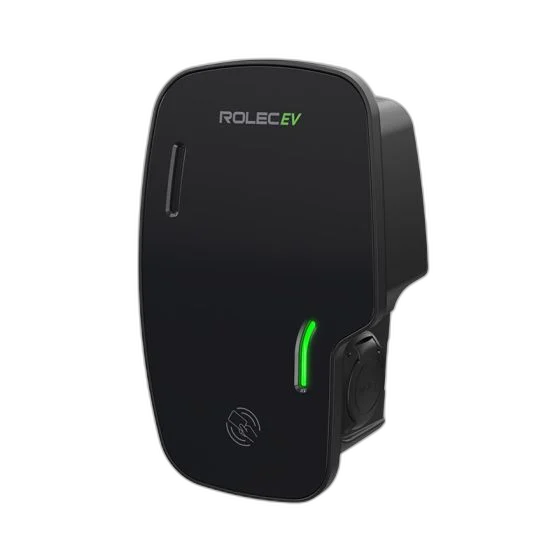
The Rolec Zura EV Charger has a sleek design and is equipped with smart features, making it suitable for both domestic and commercial installations. Rolec is a well-established UK-based manufacturer with a wide range of EV charging solutions. The Zura is part of Rolec’s charging range for both home and business use, providing versatility and integration options for various needs. It offers smart controls, flexible outputs, and integrates with larger energy setups.
If you’re hoping for fast charging, app or RFID control, and a charger that’ll slot into a more advanced system, the Zura is definitely worth a look. Just remember to compare the different model variants, what installation will require, and what your running costs might be; how you plan to actually use it makes a real difference.
What The Rolec Zura Offers
The Rolec Zura is a smart EV charger and part of Rolec’s home and commercial charging range, designed for both domestic and commercial installations. It complies with the Electric Vehicles (Smart Charge Points) Regulations 2021, and includes TruePEN PME fault detection, which eliminates the need for an earth rod. Rolec’s AC units support solar charging via a CT clamp, so the Zura can work alongside a home solar setup. It offers smart controls, dynamic load balancing, and smart home integration via Alexa or Google Assistant. The Zura also offers customisable aesthetics, including branded fascias and various personalisation options to suit different tastes and settings.
You can pick from Type 2 sockets or tethered leads, and there are single or dual outlet versions. Output goes up to 7.4kW on single-phase, or 22kW if you’ve got three-phase; so your actual charging speed depends on your supply and the model you choose.
Charging Speeds, Outputs, and Model Variants
The Zura range covers everyday charging and faster chargepoint use if your supply can handle it. Single-phase is usually the go-to for homes, while three-phase power is supported by the Zura, making it ideal for higher-demand sites, business chargers, and locations where several chargers need to be managed efficiently.
If you’ve just got one EV and want something simple, 7.4kW is plenty for overnight charging. For workplaces, shared parking, or homes with multiple EVs, the higher-output and dual-outlet options make a lot of sense.
Universal Socket vs Type 2 Tethered Lead
You can get the Zura as a tethered charger, which features a permanently attached Type 2 cable for added convenience, or as an untethered version with a Type 2 charging socket where you supply your own cable. The tethered charger is ideal for consistent daily use, while the untethered version offers flexibility if you have different drivers or expect to change cars.
Having the cable ready to go is convenient. If you want to swap cables between vehicles, the untethered version is the better fit. The dual outlet model features two sockets, allowing you to charge two vehicles at once.
Single and Dual Outlet Options
The Rolec Zura is available with single or dual outlets, giving you flexibility depending on your needs. The single-outlet model is fine for most homes, especially if you’re just charging one car at a time. The dual outlet version is ideal if you need to charge more than one EV at the same time, making it a great benefit for multi-EV households or businesses that want the convenience of charging two vehicles simultaneously, or capacity for additional EVs later.
Power gets shared between outlets, so don’t expect both cars to get full speed at once. It’s handy for topping up two vehicles, not for blasting both at max speed.
Domestic and Commercial Suitability
The Zura is an OCPP compliant unit designed for both domestic and commercial installations, making it equally suitable for a driveway at home or a business car park. Supporting plug and charge or pay-to-charge solutions via mobile app or RFID, it integrates with OCPP back-office management systems, including Rolec’s own VendElectric, for flexible billing and access control.
Home users get flexibility and control. Businesses get metering, access control, and back-office integration.
Smart Features and Everyday Usability
The Zura is packed with the most wanted smart features, including app and RFID control, making it a feature-rich choice for both residential and commercial users. Because the unit is OCPP compliant, it can connect to OCPP-compatible apps and back-office systems, letting you control and monitor charging sessions, schedule around cheaper rates, and track energy usage. RFID functionality offers quick and convenient access. The Zura also supports smart home integration with Alexa and Google Assistant for hands-free control.
That variety helps if you want to set charging times, restrict access, or link the charger into a bigger system. Smart charging technology enables users to schedule charging sessions to take advantage of off-peak electricity rates, and receive notifications about their charging session status.
App Control, Scheduling, and Plug and Charge
Plug and charge support means you can just plug in and go when you don’t want to mess with settings. If you want more control, charging sessions can be managed and scheduled via the mobile app or RFID, giving you flexible options for authentication and control.
Scheduling is a big help if your electricity is cheaper off-peak. It’s one of the easiest ways to keep your charging bill down.
RFID Access and Shared Charging Control
RFID operation enables secure and seamless access control for charging sessions. RFID cards can be used as an alternative to the app for starting or stopping charging sessions, providing added convenience and security. A card or fob can limit who uses the charger, which is great for shared driveways, workplaces, or rentals.
It gives you a cleaner way to control access, much better than leaving the charger open to anyone passing by.
Connectivity Options and Remote Management
The Zura is built for connected, remotely managed charging, with activation by RFID card or smart device. Check the exact connectivity options (and any data requirements) for your chosen model variant with your installer before you buy.
OCPP compliance allows integration with back office management systems, enabling features like plug and charge and pay-to-charge solutions through mobile apps or RFID systems. This is important if you want reporting, user control, or need to manage several charge points efficiently.
Software Updates and Future-Proofing
As a charger compliant with the UK smart charge point regulations, the Zura supports software updates to keep it current without needing a visit from an installer. With how fast EV charging standards change, that’s a big plus.
Installation Requirements and Home Compatibility
Installation is pretty straightforward for a qualified electrician, but the details can make a big difference. The Zura features an easy wall mounting system with its independent back plate, allowing for straightforward installation on either walls or posts. The Zura has features to cut down on extra work, and there are options for mounting and load management.
Your supply, cable route, and parking setup will all affect the final install cost. Sometimes it’s simple, but surprises can pop up once the installer checks your consumer unit or cable path.
Standard Installation and Likely Extras
A standard install typically covers the charger, cabling, and connection to your consumer unit; if your setup is straightforward. Installation costs vary by property and installer, and extra cost may apply for longer cables, additional work, or upgrades. If your fuse board is full or your parking is far from the house, you might need extra work.
When comparing quotes, always check what’s included. A cheap headline price can jump if extra labour or materials get added on.
PME Fault Detection and No Earth Rod Required
With PME fault detection built in, you often don’t need an earth rod. That can save digging and keep the install neat.
For most people, that means a cleaner install, especially for front drives or tight spots.
Dynamic Load Balancing and CT Clamp Setup
Dynamic load balancing lets the charger adjust output based on what else is running at home. The Rolec Zura uses a dynamic load balancing CT clamp to measure and manage household demand, ensuring you don’t overload your supply. The balancing CT clamp cable is included for models with dynamic load balancing, making setup straightforward. This system helps optimise charging by distributing power efficiently and safely across multiple devices.
It’s especially useful if you’ve got electric heating, heat pumps, or other big appliances. In busy households, this feature really earns its keep.
Wall or Post Mounting Considerations
The Zura uses an independent back plate, which makes wall or post mounting easier. You can fit it wherever suits your parking best.
If you don’t have a wall near your car, post mounting is a tidy option. Just double-check cable entry and parking angles before installation starts.
Solar, Battery, and Renewable Energy Integration
If you’re keen on using your own solar power, the Zura is a sensible fit. Rolec’s AC charging units support solar charging via a CT clamp, so the charger can respond to what your panels are generating.
The Zura also features dynamic load balancing, helping the charger share your supply sensibly with the rest of the house.
It’s not magic though; it won’t run on free solar 24/7. But it does work with your energy system in a smarter way.
How It Works With Solar PV and Battery Storage
With solar panels, the CT clamp lets the charger respond to available generation using smart energy management. That helps you use more of your own power during the day.
If you have battery storage, you can still schedule charging around how your wider energy system works, for example charging outside peak sunshine hours. If you’ve already got an energy system, the charger can slot in alongside it rather than working as a separate gadget.
Who Benefits Most From Smart Energy Matching
You’ll get the most out of this if you already have solar panels, are planning battery storage, or want to cut grid use during expensive periods. It’s also a good match if you care about using renewables efficiently.
If you mostly charge overnight from the grid, you’ll still like the smart features, but you might not use the renewable functions much.
Safety, Security, and Metering
The Zura has a bunch of features that matter in real life, not just on paper. Safety protection, access control, and metering are especially important for electric vehicle charging, helping you trust and manage your EV charger with confidence.
For shared or business sites, these features are even more important. Accurate tracking and secure access are often just as critical as charging speed.
Built-In Protection and Compliance Points
The Zura is equipped with Rolec’s TruePEN PME fault detection, providing a safer charging solution without the need for an earth rod, alongside the integral electrical protection required of a UK smart charge point.
It’s OCPP compliant and complies with the Electric Vehicles (Smart Charge Points) Regulations 2021. So you can be confident it’s up to scratch for both management and safety.
Cable Locking and Access Security
RFID or app activation lets you control who can use the charger. That’s handy if you’re worried about misuse on a shared or publicly visible unit.
The UK smart charge point regulations also require tamper protection on home smart chargers, which adds another layer of reassurance. If your charger is in a public or shared spot, these features are a real advantage.
Breach Security Notification and Smart Charge Regulations
Tamper protection is more useful than you might think; it’s part of what the UK smart charge point regulations expect of home chargers.
The Zura fully complies with the Electric Vehicles (Smart Charge Points) Regulations 2021. That’s important if you want something that meets current expectations for home or business charging.
Energy Metering for Tracking Use
Rolec’s commercial charging solutions come with class B accurate MID metering as standard, which means usage can be tracked accurately. For billing staff, tenants, or visitors, that’s crucial; check the spec of your chosen Zura variant if metering matters to you.
Even for home users, it’s nice to see exactly what your charging is using. For businesses, it’s pretty much a must-have.
Price, Running Costs, and Who Should Buy It
The Zura, manufactured in the UK, sits in the smart, feature-rich end of the market, so expect to pay more than for a basic charger. Rolec sells through its installer and wholesaler network rather than publishing retail prices, so the final price depends on the model, mounting, cable type, and any extra install work.
If you qualify for an OZEV grant, that helps with value. In the UK, the Zura is most appealing when you need flexibility, not just the cheapest box you can find. For those seeking a simpler option, Rolec also offers the QUBEV Smart. It competes with other popular brands such as Pod Point, which offers a range of home charging solutions.
Typical Purchase and Installation Costs
A standard install is the baseline, but costs rise if your property needs more work. Dual outlets, post mounting, long cables, and business controls can all bump up the bill.
When comparing to cheaper chargers, make sure you’re looking at similar features. A charger with smart metering, RFID, and OCPP isn’t in the same price league as a basic home unit.
Value Compared With Other UK Home Chargers
The Zura is a good value if you want a charger that works for home now and business later. With app control, RFID, renewables integration, and metering, it’s got more use cases than a simple home charger.
If you only need overnight charging for one car, something simpler might do the job. But if you want flexibility, the Zura starts to make a lot more sense.
Best Fit for Multi-EV Homes and Small Business Sites
The dual outlet version is well suited to homes with two EVs, shared parking, or small business sites. It lets you manage more than one user without needing a second charger.
That saves space and simplifies management. It’s also ideal where usage tracking matters, like staff charging or customer parking.
When Another Charger May Be a Better Choice
If you just need a basic single-car charger and don’t care about RFID, OCPP, or renewables integration, you can save money with a simpler model.
You might also look elsewhere if you want a tiny, minimalist unit or the most basic interface. The Zura is practical, not flashy.
FAQs
How much does a home EV charger installation typically cost in the UK?
Installation costs vary widely depending on cable length, fuse board work, and mounting, so get itemised quotes from more than one installer. If your house needs extra electrical work, costs can rise fast.
Where can I find the installation manual and user guide for this charger model?
You'll find the installation manual and user guide on Rolec's support pages or the seller's downloads area. Double-check your exact model number; Zura comes in several versions with different fittings and outputs.
What do the indicator lights mean and what do different colours or flashing patterns indicate?
The lights show if the charger is idle, charging, waiting, or has a fault. The exact meaning depends on your model and firmware, so check the manual for the colour codes on your unit.
How do you reset the charger and what should you try if it stops charging?
Usually, start by checking your vehicle connection, then switch the unit off and on again if that's allowed. If it still won't charge, check the app, RFID settings, and your consumer unit before calling an installer.
What is the difference between a tethered and an untethered unit, and which is better for home use?
A tethered unit comes with the charging cable permanently attached. You just grab the cable and plug it in, which is the simpler daily routine. On the flip side, an untethered unit doesn't have a fixed cable. You supply your own, which can look tidier on the wall or maybe just fit your setup better. Tethered is the easier option for day-to-day use; untethered suits drivers who want a tidier wall or need to swap cables between vehicles.
Is the dual-socket version suitable for charging two vehicles at the same time and how is power shared?
Absolutely, the dual-socket charger is built with two cars in mind. You can plug in both vehicles at once; no need to wait your turn. Now, here's something to keep in mind: the available power gets split between both outlets. That means each car might take a bit longer to fill up than if it had the whole charger to itself.