Electric cars

Cheapest Electric Cars UK 2026

The entry price for a brand-new, practical electric car has fallen sharply since 2023; two models on this list start at £22,995. The government's Electric Car Grant, reintroduced in July 2025, takes up to £3,750 off the purchase price of any new EV priced at or below £37,000. This list covers new cars only; all prices are standard on-the-road, before manufacturer discounts or finance deals. Models are ranked by OTR price, lowest first.

Last updated: 2026-05-14 · 10 models

Models compared

Every model that qualifies for this list, in alphabetical order. Tap any card for the full review and specs.

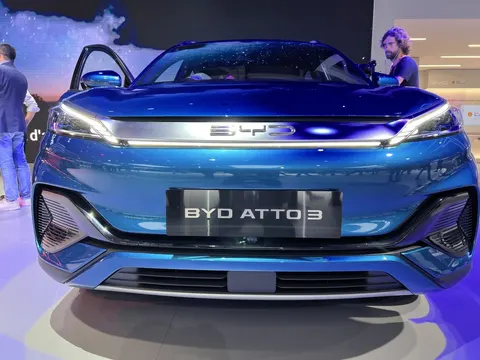
BYD Atto 3

Atto 3 Extended Range

BYD CCS

Battery (usable)
60.5 kWh
WLTP range
260 miles
Max AC rate
7 kW
Max DC rapid
88 kW
0–100% at 7kW
~9.5 hrs
10–80% rapid
~45 mins
V2G ✕
V2H ✕
V2L ✓

Steps up to an 87kWh LFP pack, the largest on this list, with 260 miles WLTP and V2L at 2.2kW. Daily charging to 100% remains safe with LFP chemistry, which no comparable NMC rival at this price can offer.

BYD Atto 3

Atto 3 Standard Range

BYD CCS

Battery (usable)
49.9 kWh
WLTP range
161 miles
Max AC rate
7 kW
Max DC rapid
60 kW
0–100% at 7kW
~7.8 hrs
10–80% rapid
~50 mins
V2G ✕
V2H ✕
V2L ✓

The LFP battery chemistry is the key differentiator: LFP cells tolerate daily charging to 100% without the degradation concerns of NMC rivals. A spacious electric SUV at a price point where that chemistry is rare.

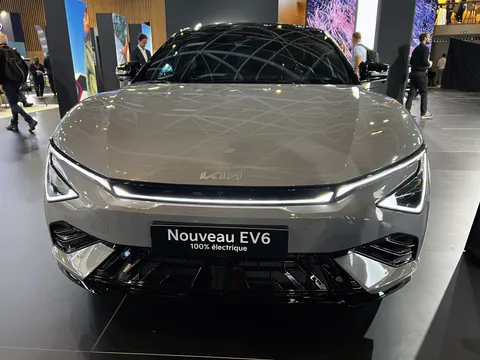
Kia EV6

EV6 Standard Range RWD

Kia CCS

Battery (usable)
54 kWh
WLTP range
228 miles
Max AC rate
11 kW
Max DC rapid
183 kW
0–100% at 7kW
~8.5 hrs
10–80% rapid
~18 mins
V2G ✕
V2H ✕
V2L ✓

The most expensive entry here, but the only model in this segment with 800V architecture and 168kW peak DC charging. V2L at 3.6kW is also class-leading; this is the most technology-forward car at this price point.

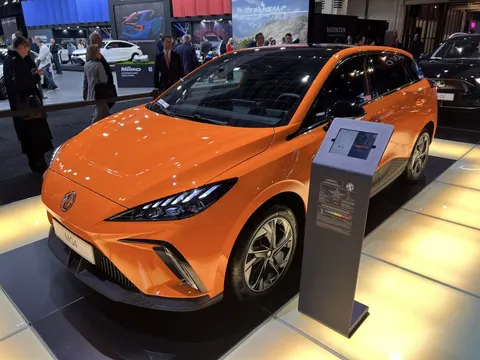
MG MG4 EV

MG4 EV SE Long Range

MG CCS

Battery (usable)
72 kWh
WLTP range
323 miles
Max AC rate
11 kW
Max DC rapid
150 kW
0–100% at 7kW
~11.3 hrs
10–80% rapid
~35 mins
V2G ✕
V2H ✕
V2L ✓

At £3,000 more than the standard MG4, the 77kWh upgrade adds 63 extra WLTP miles and V2L at 2.2kW. This is the cheapest EV in the UK with vehicle-to-load capability at the time of writing.

MG MG4 EV

MG4 EV SE Standard Range

MG CCS

Battery (usable)
49 kWh
WLTP range
218 miles
Max AC rate
6.6 kW
Max DC rapid
117 kW
0–100% at 7kW
~7.7 hrs
10–80% rapid
~35 mins
V2G ✕
V2H ✕
V2L ✕

Joint cheapest on the list at £22,995 and the lowest entry price for a genuine long-range hatchback; the 51kWh pack and 87kW DC charging undercut any rival at this price. Outranges the Renault 5 at the same price by 25 WLTP miles.

MG MG4 EV

MG4 EV Trophy Long Range

MG CCS

Battery (usable)
72 kWh
WLTP range
323 miles
Max AC rate
11 kW
Max DC rapid
150 kW
0–100% at 7kW
~11.3 hrs
10–80% rapid
~35 mins
V2G ✕
V2H ✕
V2L ✓

Matches the Renault 5 Techno on price but leads on interior quality and specification. Same 77kWh battery as the SE Long Range; choose Trophy if equipment level matters, SE Long Range if saving money is the priority.

MG MG4 EV

MG4 EV XPower AWD

MG CCS

Battery (usable)
61.7 kWh
WLTP range
249 miles
Max AC rate
11 kW
Max DC rapid
150 kW
0–100% at 7kW
~9.7 hrs
10–80% rapid
~35 mins
V2G ✕
V2H ✕
V2L ✓

The only AWD model on this list at this price, with dual motors and 429bhp. V2L is included; performance undercuts comparable AWD electric crossovers by a significant margin. The outlier on this list for performance buyers.

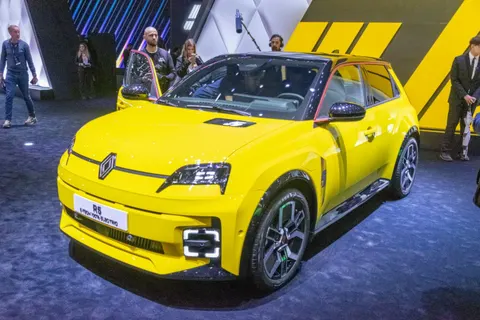
Renault Renault 5 E-Tech

Renault 5 E-Tech Evolution 40kWh

Renault CCS

Battery (usable)
38 kWh
WLTP range
193 miles
Max AC rate
11 kW
Max DC rapid
80 kW
0–100% at 7kW
~5.9 hrs
10–80% rapid
~35 mins
V2G ✕
V2H ✕
V2L ✕

Matches the MG4 SE on price but leads on design appeal and urban packaging. A smaller footprint and retro styling make it the better city car; the MG4 has the range advantage for longer trips.

Renault Renault 5 E-Tech

Renault 5 E-Tech Techno 52kWh

Renault CCS

Battery (usable)
50 kWh
WLTP range
252 miles
Max AC rate
11 kW
Max DC rapid
100 kW
0–100% at 7kW
~7.9 hrs
10–80% rapid
~30 mins
V2G ✕
V2H ✕
V2L ✕

Steps up from the entry Renault 5 with a 52kWh battery, 248 miles WLTP, and a heat pump as standard. The heat pump is a meaningful upgrade for UK winters, improving cold-weather efficiency over the entry model.

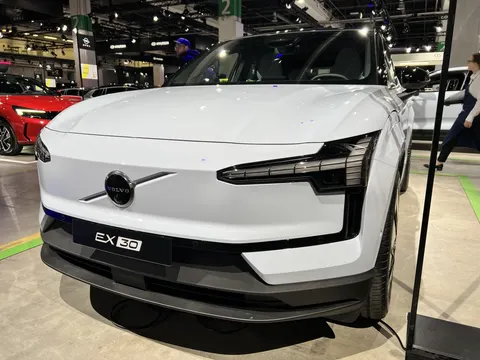
Volvo EX30

EX30 Single Motor Extended Range

Volvo CCS

Battery (usable)
64 kWh
WLTP range
291 miles
Max AC rate
11 kW
Max DC rapid
153 kW
0–100% at 7kW
~10 hrs
10–80% rapid
~26 mins
V2G ✕
V2H ✕
V2L ✓

The most premium brand on this list by a clear margin. 291 miles WLTP from a compact 49kWh usable pack is achieved via a light, aerodynamic platform, and 153kW DC charging leads the sub-£37,000 segment on speed.

The Electric Car Grant in 2026: What It Covers and Who Qualifies

The Electric Car Grant was reintroduced in July 2025 after a period when it had been withdrawn. It provides up to £3,750 off the purchase price of a qualifying new electric car, applied at the point of sale rather than claimed as a rebate afterwards. You do not need to apply separately; dealers deduct the amount automatically from the invoice price.

To qualify, the car must be a new battery electric vehicle priced at or below £37,000 OTR (on the road). Several models on this list fall under that threshold, meaning the effective purchase price is lower than the sticker price shown. Note that the grant applies to the purchase price, not to lease or personal contract hire monthly payments, though manufacturers may incorporate the saving into their offers.

The price cap means the Volvo EX30 (£36,895) and the Kia EV6 Standard Range (£38,995) sit either side of the threshold; check the current OTR figure at the time of purchase, as manufacturer price changes can affect eligibility.

In addition to the car grant, a separate scheme covers the cost of home charger installation. The OZEV Electric Vehicle Chargepoint Grant provides up to £500 toward a home charger installation; confirm the current amount at the time of purchase, as the figure has been updated periodically. This is a separate application from the car grant and is processed through your charger installer. You do not need to buy your car and charger at the same time to qualify.

What to Look for When Buying a Budget EV

Price is the obvious filter, but several other factors determine whether a budget EV works well for you in practice.

Range for your actual commute, not the WLTP headline. WLTP figures are measured in controlled conditions; real-world range is typically 70-75% of the official number. If your daily round trip is 40 miles, a 200-mile WLTP car has plenty of headroom. If you regularly make longer runs, factor in the real-world gap before buying on range alone.

DC rapid charging speed. Budget models vary significantly on this spec, from 50kW on some entry options to 168kW on the Kia EV6 Standard Range. If you use public rapid chargers on road trips, a faster charge rate means shorter stops; the difference between 50kW and 150kW is significant over a full journey.

Battery chemistry. LFP batteries (used in BYD models and some MG variants) are safe to charge to 100% every day without degradation concerns. NMC batteries (most other models) are best kept to around 80% for daily use to preserve long-term capacity. If you want the simplicity of always charging to full, an LFP model is worth considering.

V2L availability. Vehicle-to-load capability, which lets the car power appliances via an adaptor, is now available on several models in the budget segment. The MG4 Long Range, MG4 Trophy, BYD Atto 3, and Kia EV6 all offer it; at this price, it is a meaningful differentiator.

Warranty terms. An eight-year battery warranty is now the industry standard, but the capacity retention threshold (typically 70% or 75%) and annual mileage limits vary. Check the specific terms before buying; a higher retention guarantee offers more protection against significant range loss over time.
Real Running Costs: What It Actually Costs to Charge vs Refuel

The running cost advantage of an EV is clearest when you charge at home. Home electricity costs around 7-9p per mile driven, compared to approximately 13-18p per mile for a petrol car at current pump prices. On 8,000 miles per year, that difference amounts to roughly £480-£720 in annual fuel savings before any other costs are considered.

The average UK car journey is 8.4 miles according to Department for Transport data. Even the shortest-range model on this list covers that many times over on a single charge, which means range anxiety is rarely a real concern for typical daily use.

Public rapid charging narrows the cost advantage significantly. Prices at rapid chargers currently reach up to 75p per kWh at some networks, which can push the per-mile cost above that of a petrol car depending on your EV's efficiency. The home charging saving is where the economics work most clearly; if you cannot charge at home, the running cost case is weaker.

Annual servicing costs are also lower for EVs: no oil changes, no exhaust, fewer braking replacements due to regenerative braking. Independent estimates put average EV servicing costs at around £165 per year versus around £205 for an equivalent petrol car.

For company car drivers, the benefit-in-kind (BiK) tax rate for EVs in 2026/27 is 4%, compared to up to 37% for petrol equivalents. For higher-rate taxpayers this alone can make an EV significantly cheaper as a company car than a petrol alternative.

Frequently asked questions

Are there still government grants for electric cars in 2026?

Yes. The Electric Car Grant was reintroduced in July 2025 and provides up to £3,750 off the purchase price of a new EV priced at or below £37,000 OTR. The discount is applied at the point of sale; you do not need to claim separately. A separate grant of up to £500 is also available toward home charger installation; confirm the current amount before purchasing.

What is the cheapest practical new electric car in the UK?

The MG4 SE Standard Range and the Renault 5 Evolution 40kWh are both available at £22,995 OTR, making them the cheapest new electric cars with genuine real-world usability. Both offer over 190 miles WLTP, DC rapid charging, and full five-seat practicality.

Can I charge a budget EV at home on a standard socket?

Yes, any EV can be charged from a standard three-pin socket, though it is slow: typically 6-8 miles of range per hour. A dedicated home wallbox charger (7kW or 22kW) charges approximately 3-4 times faster. The OZEV grant covers up to £500 toward installation; a wallbox is strongly recommended for daily use.

How long do cheap EV batteries last?

Modern EV batteries are designed to retain over 90% of their capacity after five years of typical use. Battery warranties on models in this list are eight years, typically guaranteeing 70-75% capacity retention within that period. Real-world data from large fleet studies suggests average degradation of around 1.5-2.5% per year, with LFP chemistry generally performing well over high-cycle use.

Will a budget EV work for longer road trips?

Yes, with planning. The longest-range models on this list (MG4 Long Range at 281 miles, Renault 5 Techno at 248 miles) can cover most UK intercity routes without stopping. The key variable is DC charging speed; models with faster charge rates (such as the Kia EV6's 168kW) spend less time at each stop. Plan charging stops in advance using Zap-Map or A Better Route Planner.

Is it cheaper to run an electric car than a petrol car?

For home-charging drivers, yes. Home charging costs roughly 7-9p per mile versus 13-18p per mile for petrol, saving several hundred pounds annually depending on mileage. Public rapid charging can close or reverse that gap, so the saving depends heavily on your charging behaviour. Servicing costs also favour EVs over time.

What is the difference between a cheap EV and a premium one?

At this price level, the main differences are interior quality, refinement, and technology features rather than fundamental capability. Budget EVs now offer competitive range, fast DC charging, and strong safety ratings. Premium models tend to add better materials, more advanced driver assistance, and brand cachet. The core EV drivetrain technology (battery chemistry, charging architecture) is increasingly available across price points.