Charger rankings

The best home EV chargers in the UK

We have reviewed every mainstream home charger sold in the UK. These are the 10 worth your money, ranked by what each one is actually best at, from solar diversion to smart tariffs to keeping the cable out of sight.

Jump to the comparison table

How we picked them

Every charger here is OZEV-eligible, sold with a UK warranty, and has been through a full review on this site. We rank on what a charger does for you rather than on a single overall score, because the right unit depends entirely on your house: solar panels, driveway length, whether you are on a smart tariff, and whether the box will be visible from the street.

There is less between these chargers than the marketing suggests. All of them deliver 7kW to 7.4kW, which is the ceiling for a normal UK domestic supply, and all of them will fully recharge a typical car overnight. What separates them is solar handling, tariff intelligence, cable arrangement, warranty and looks. Pick on those.

Installation cost varies more between installers than charger prices vary between brands, so get more than one quote. Our installer finder lists verified EV specialists by city.

Home EV charger comparison

Specifications are a guide; always confirm current details with the manufacturer before ordering.

# Charger Power Cable OZEV Solar Review
Zappi v2.2
Zappi v2.2 myenergi
7.4kW Tethered ยท 6.5m Zappi v2.2 Review
2 Ohme Home Pro 7.4 kW Tethered 5m Ohme Home Pro Review
3 Hypervolt
Hypervolt Hypervolt
7.4 kW Tethered 5m, 7.5m or 10m Hypervolt Review
4 Easee One
Easee One Easee
7.4kW Tethered / Untethered Easee One Review
5 EO Mini Pro 3
EO Mini Pro 3 EO Charging
7.2 kW Both options EO Mini Pro 3 Review
6 Wallbox Pulsar Max 7.4 / 11 / 22 kW Both options Wallbox Pulsar Max Review
7 Andersen A3
Andersen A3 Andersen EV
7 kW Tethered 5.5m Andersen A3 Review
8 Indra Smart Pro 7.4 kW 6m / 10m / Untethered Indra Smart Pro Review
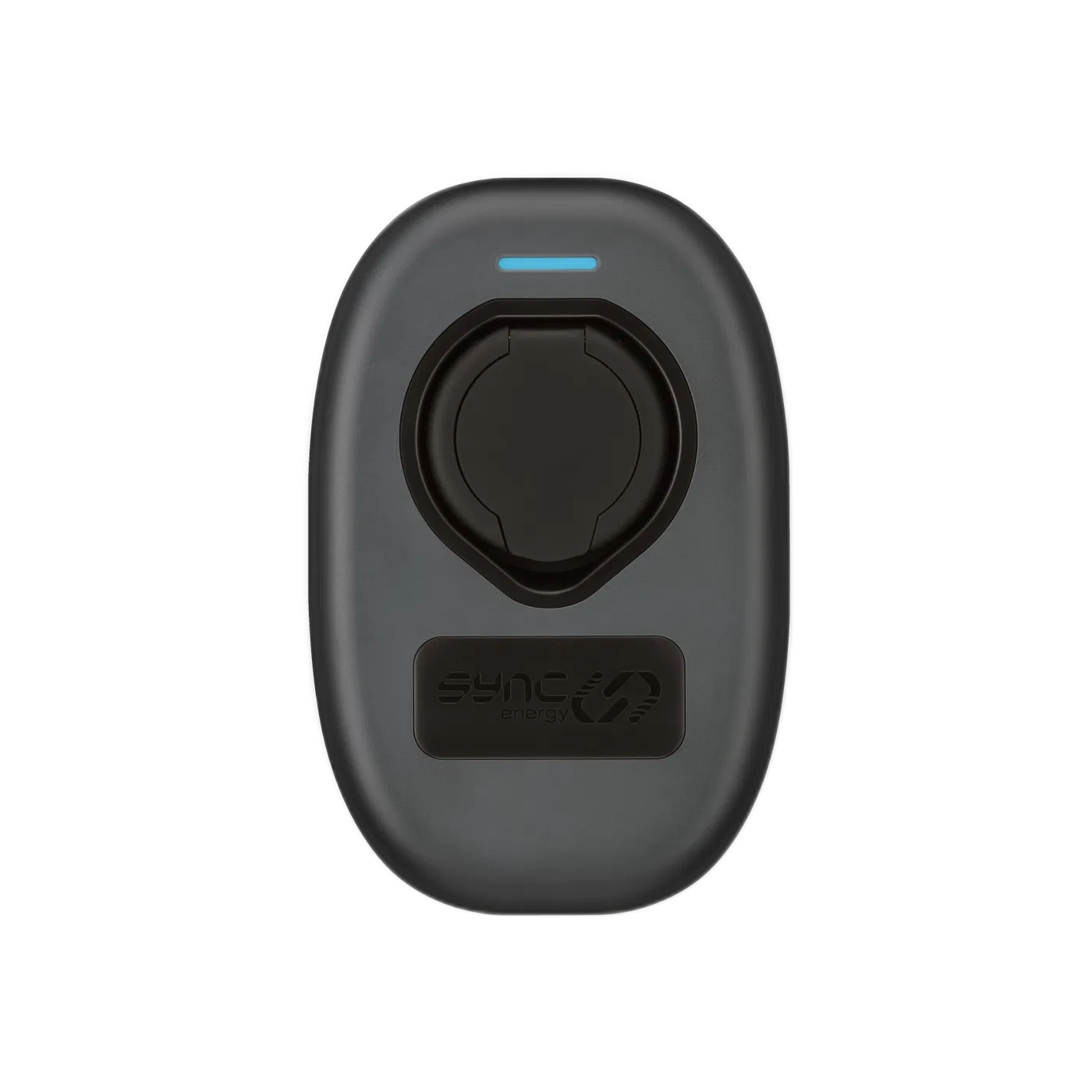
9 Hive Sync Energy 2 7.4kW Tethered 7.5m Hive Sync Energy 2 Review
10 Ohme ePod
Ohme ePod Ohme
7.4 kW Untethered Ohme ePod Review

The best home EV chargers, ranked

  1. Best overall

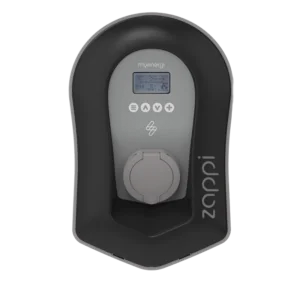
    Zappi v2.2

    myenergi

    Zappi v2.2 home EV charger

    The charger we recommend more often than any other, and the one to buy if you have solar panels or expect to fit them.

    The Zappi is the only mainstream UK charger built from the ground up around solar diversion. Its ECO+ mode watches your export in real time and trickles surplus generation into the car rather than selling it back to the grid at a fraction of the price. Six weeks of testing found the logic genuinely reliable rather than a marketing checkbox, it ran near-silently, and myenergi has closed the gap on app quality that used to count against it.

    Power
    7.4kW
    Cable
    Tethered ยท 6.5m
    Warranty
    3 years
    Solar
    Yes

    What we like

    • Best-in-class solar diversion with three charging modes
    • UK-made with a well-supported app and firmware history
    • Works as a standard smart charger if you never fit panels

    What we don't

    • More expensive than a plain 7.4kW unit
    • Three-year warranty trails Andersen and Wallbox

    Best for: Solar households, and anyone who wants the safest all-round choice.

    Read the full Zappi v2.2 review
  2. Best for smart tariffs

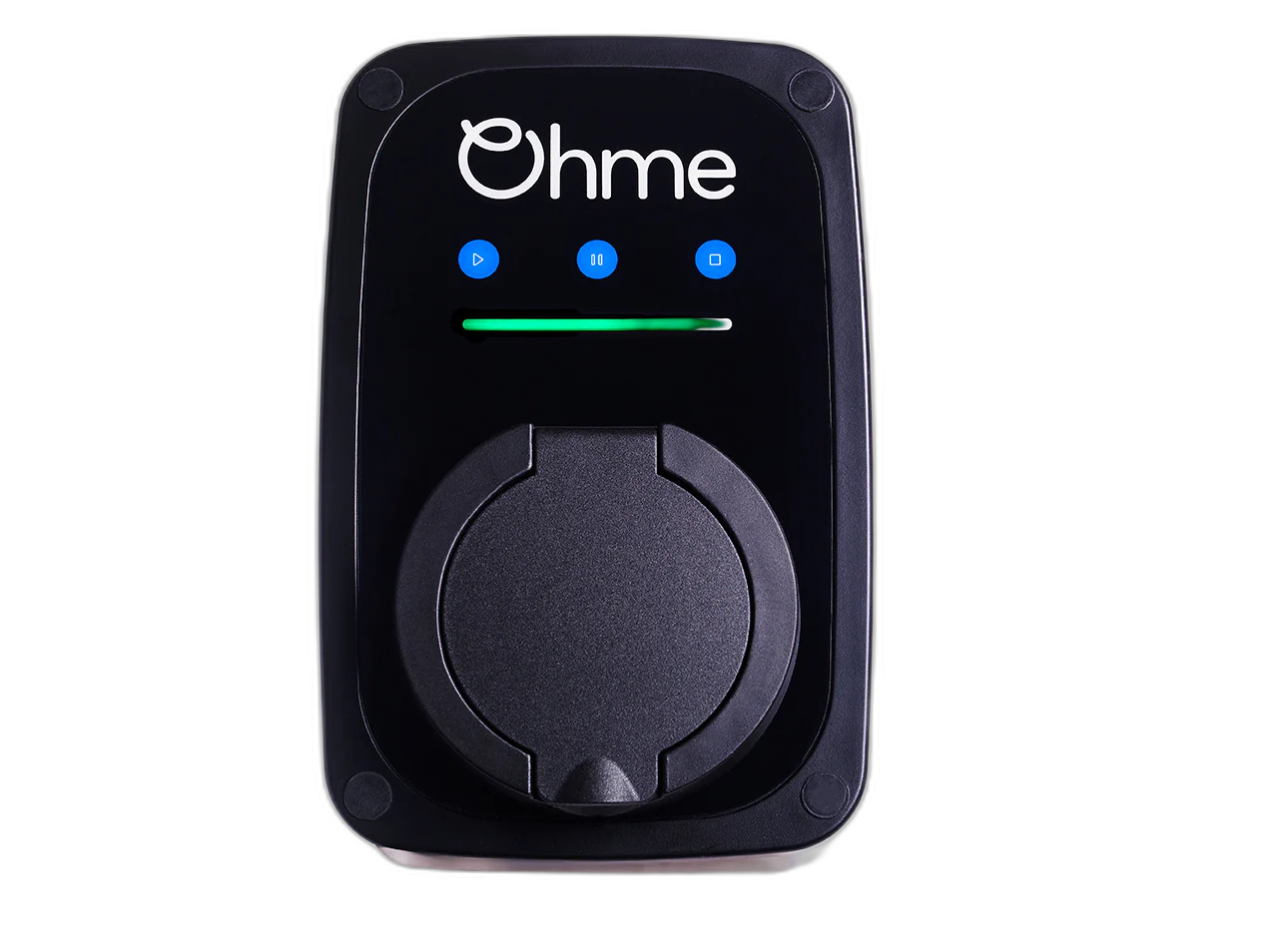
    Ohme Home Pro

    Ohme

    Ohme Home Pro home EV charger

    The sharpest choice if your plan is to charge on a cheap overnight tariff and never think about it again.

    Ohme built its reputation on tariff integration rather than hardware. The Home Pro talks directly to Intelligent Octopus Go and reads live tariff data, so it shifts charging into the cheapest half-hours automatically instead of running a fixed timer you set once and forget. If your saving comes from the tariff rather than the charger, this is where the money is.

    Power
    7.4 kW
    Cable
    Tethered 5m
    Warranty
    3 years
    Solar
    Yes

    What we like

    • Deepest smart tariff integration of any UK charger
    • Charges to a target cost or a target time, not just a window
    • Clear, well-rated app

    What we don't

    • Tethered 5m cable only, so no untethered option
    • Leans on a good data connection to work at its best

    Best for: Drivers on Intelligent Octopus Go or a similar smart dispatch tariff.

    Read the full Ohme Home Pro review
  3. Best value

    Hypervolt

    Hypervolt

    Hypervolt home EV charger

    Solar charging and load management included as standard rather than sold as accessories.

    Most chargers at this price ask you to buy a CT clamp or an add-on module before solar diversion and load balancing work. Hypervolt includes both. Add a choice of 5m, 7.5m or 10m cable lengths and it covers awkward driveways that force other buyers into an untethered unit and a separate cable.

    Power
    7.4 kW
    Cable
    Tethered 5m, 7.5m or 10m
    Warranty
    3 years
    Solar
    Yes

    What we like

    • Solar charging and load management at no extra cost
    • Three cable lengths including a genuinely long 10m
    • Strong feature count for the money

    What we don't

    • Tethered only
    • Brand recognition is lower than Ohme or myenergi

    Best for: Buyers who want the most capability per pound, and long cable runs.

    Read the full Hypervolt review
  4. Best for multi-EV homes

    Easee One

    Easee

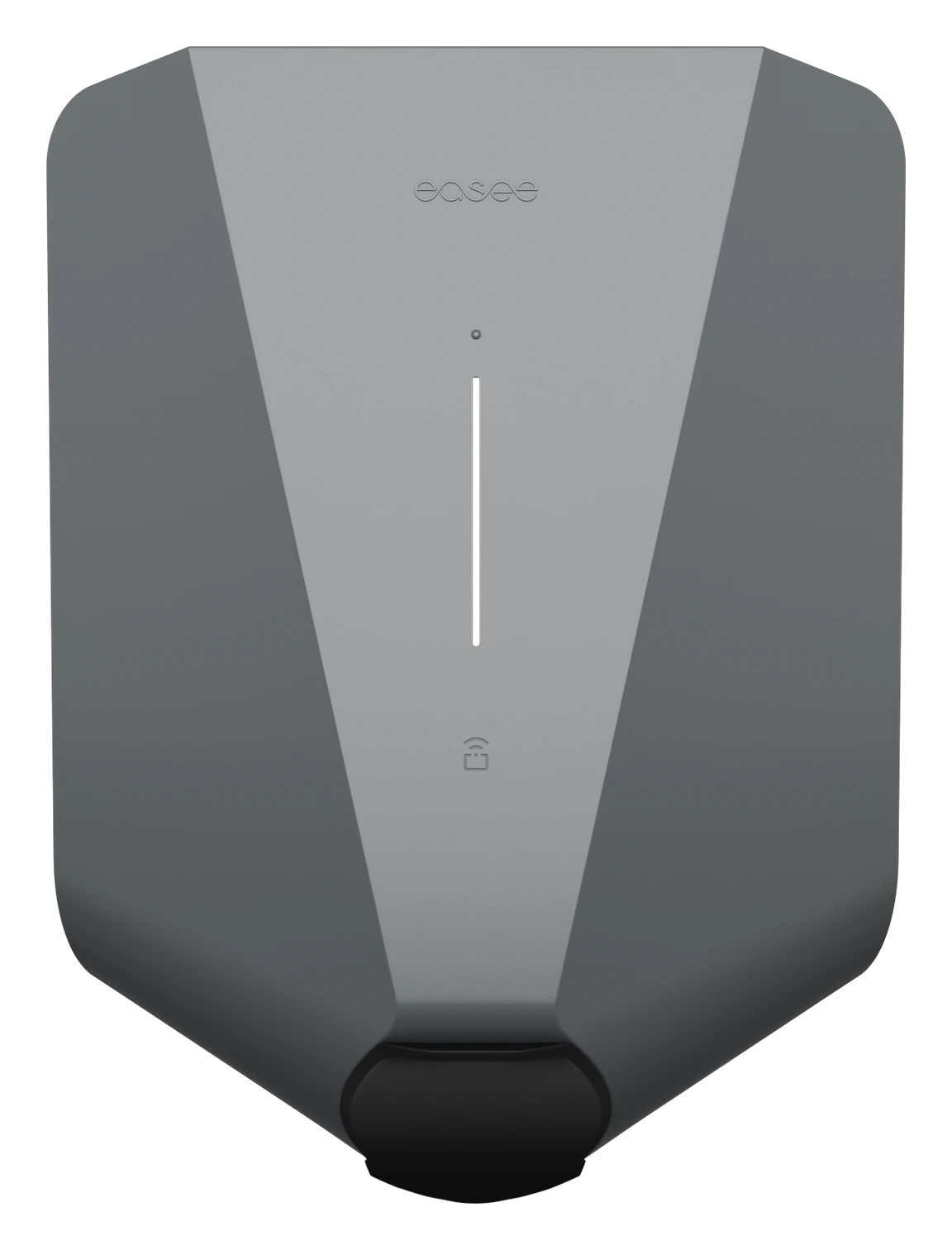
    Easee One home EV charger

    Scandinavian design, a built-in 4G connection, and load balancing that scales to a second car.

    The Easee One switches between tethered and untethered operation from the app, which is unusual and genuinely useful if your household changes cars. Dynamic load balancing lets you add a second unit later without upgrading your supply, and the built-in 4G eSIM means it keeps working when your home Wi-Fi does not reach the driveway.

    Power
    7.4kW
    Cable
    Tethered / Untethered
    Warranty
    3 years
    Solar
    No

    What we like

    • Tethered and untethered modes in one unit
    • Built-in 4G eSIM, so no reliance on garden Wi-Fi
    • Load balancing designed for two chargers

    What we don't

    • Solar diversion needs the optional Equalizer accessory
    • The LED status language takes a while to learn

    Best for: Two-car households and homes with poor Wi-Fi coverage outside.

    Read the full Easee One review
  5. Best compact charger

    EO Mini Pro 3

    EO Charging

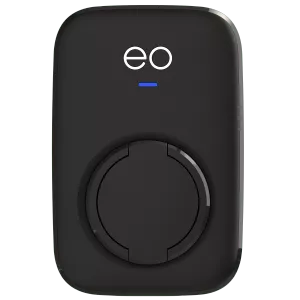
    EO Mini Pro 3 home EV charger

    The smallest unit here by some margin, with solar diversion still included as standard.

    The Mini Pro 3 is roughly the size of a paperback and, unusually for something this small, does not strip out features to get there. Solar diversion is standard, and it offers Wi-Fi, Ethernet and Bluetooth, so there is a wired fallback if your driveway is a connectivity dead spot. It is designed and built in the UK.

    Power
    7.2 kW
    Cable
    Both options
    Warranty
    3 years
    Solar
    Yes

    What we like

    • Genuinely tiny, the least obtrusive charger on this list
    • Solar diversion as standard
    • Ethernet option for reliable connectivity

    What we don't

    • 7.2kW is fractionally below the 7.4kW norm
    • Small housing means the cable dominates the look

    Best for: Period properties, tight porches, and anyone who dislikes a bulky box.

    Read the full EO Mini Pro 3 review
  6. Best warranty

    Wallbox Pulsar Max

    Wallbox

    Wallbox Pulsar Max home EV charger

    Five years of cover, six matte colour options and a rugged IP55, IK10-rated case.

    Five years is two more than most of this list offers, which matters for a device bolted to an outside wall for a decade. The Pulsar Max backs that up with a genuinely tough enclosure, and it is one of the few home units that will run at 11kW or 22kW if you have a three-phase supply.

    Power
    7.4 / 11 / 22 kW
    Cable
    Both options
    Warranty
    5 years
    Solar
    Yes

    What we like

    • 5-year warranty, the longest here after Andersen
    • IP55 and IK10 rated for exposed walls
    • Three-phase capable up to 22kW

    What we don't

    • Solar via Eco-Smart needs a compatible meter setup
    • App has historically been the weak point

    Best for: Exposed installations, three-phase homes, and long-term peace of mind.

    Read the full Wallbox Pulsar Max review
  7. Best looking

    Andersen A3

    Andersen EV

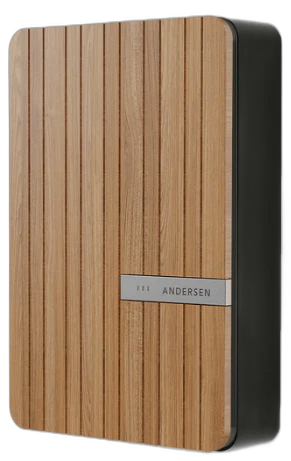
    Andersen A3 home EV charger

    A premium British unit that hides the cable inside the housing, with a seven-year warranty.

    The A3 exists because plenty of people do not want an industrial white box on the front of their house. The cable stows inside the enclosure, and the fascia comes in over 240 finishes so it can be matched to brick, render or timber. The seven-year warranty is the longest of any charger here, which softens the premium.

    Power
    7 kW
    Cable
    Tethered 5.5m
    Warranty
    7 years
    Solar
    Yes

    What we like

    • Cable hidden inside the unit, no coiled cable on the wall
    • 240+ finish options
    • 7-year warranty, the longest on this list

    What we don't

    • Clearly the most expensive way to buy 7kW
    • Smart features trail Ohme and myenergi

    Best for: Front-of-house installations and listed or high-spec properties.

    Read the full Andersen A3 review
  8. Best for future V2H

    Indra Smart Pro

    Indra

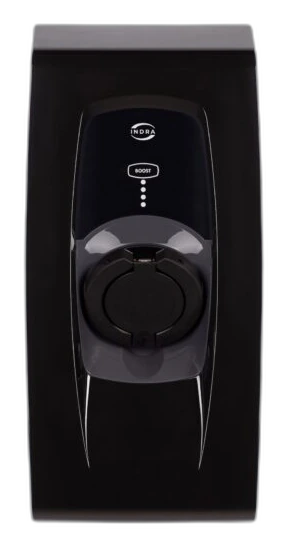
    Indra Smart Pro home EV charger

    A British-made charger with a long cable option and a foot in the vehicle-to-home door.

    The Smart Pro is a solid solar-friendly charger in its own right, with 6m, 10m and untethered options that cover most driveways. What sets it apart is Indra's vehicle-to-home work: the company runs a V2H trial programme, so this is a sensible pick if you want to stay close to bidirectional charging without paying for a full V2G unit today.

    Power
    7.4 kW
    Cable
    6m / 10m / Untethered
    Warranty
    3 years
    Solar
    Yes

    What we like

    • 10m cable option for long or shared driveways
    • Solar diversion and EV tariff integration
    • Indra runs an active V2H trial programme

    What we don't

    • V2H is trial-only, not a feature you can buy today
    • Smaller support network than the biggest brands

    Best for: Long driveways, and drivers keeping an eye on vehicle-to-home.

    Read the full Indra Smart Pro review
  9. Best budget pick

    Hive Sync Energy 2

    Hive

    Hive Sync Energy 2 home EV charger

    A fully featured smart charger at a keen price, with a bonus for British Gas customers.

    The Sync Energy 2 undercuts most of this list while still including a 7.5m cable, solar diversion, load balancing, and both Wi-Fi and 4G. British Gas customers can pair it with Hive Power+, which takes 25% off home EV charging and, on the British Gas EV Tariff, works out at an effective 6.75p/kWh.

    Power
    7.4kW
    Cable
    Tethered 7.5m
    Warranty
    3 years
    Solar
    Yes

    What we like

    • Long 7.5m cable at a low price
    • Solar diversion, load balancing, Wi-Fi and 4G all included
    • Unlocks Hive Power+ for British Gas customers

    What we don't

    • 3-year warranty is at the short end
    • Tariff scheduling is manual rather than automated

    Best for: Budget-conscious buyers, and anyone on a British Gas tariff.

    Read the full Hive Sync Energy 2 review
  10. Best untethered charger

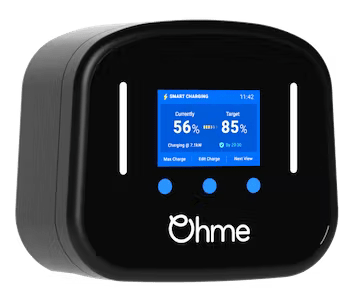
    Ohme ePod

    Ohme

    Ohme ePod home EV charger

    Ohme's tariff intelligence in a socketed unit, for drivers who want the cable out of sight.

    An untethered charger keeps the wall clear and lets you use whatever cable your car came with, which suits households that swap vehicles or want the tidiest possible frontage. The ePod carries over the tariff integration that makes the Home Pro so effective, and adds dynamic load balancing with an optional CT clamp.

    Power
    7.4 kW
    Cable
    Untethered
    Warranty
    3 years
    Solar
    Yes

    What we like

    • Socketed, so no cable hanging on the wall
    • Same Ohme tariff intelligence as the Home Pro
    • Compact and unobtrusive

    What we don't

    • You must carry and plug in your own cable each time
    • Load balancing needs the optional CT clamp

    Best for: Tidy frontages, shared parking, and drivers who prefer socketed units.

    Read the full Ohme ePod review
Charger finder

Still deciding between two or three?

Answer three quick questions and we'll narrow this list down to the chargers that suit your home, then put you in touch with OZEV-approved installers near you. Free, fast, no obligation.

  • OZEV-approved installers only
  • Up to 3 free quotes
  • No obligation, no pressure
Find your charger

Answer 3 quick questions

Do you have solar panels?

What's your priority?

Cable preference?

Free matching. OZEV-approved installers only.

How to choose a home EV charger

Start with your supply, not the spec sheet

Nearly every UK home has a single-phase supply, which caps a charger at 7kW to 7.4kW. That is enough to add roughly 25 to 30 miles of range an hour, so a normal car refills overnight with time to spare. An 11kW or 22kW unit will simply run at 7.4kW unless you have three-phase, which most housing does not. Ignore the higher numbers unless you know you have it.

Decide whether solar matters

If you have panels, or expect to fit them, solar diversion is the single feature most worth paying for. A charger with true diversion sends only your surplus generation to the car instead of exporting it at a poor rate. The Zappi does this best, and the Hypervolt and EO Mini Pro 3 include it without an accessory. See our solar charger comparison for the full picture.

If you are on a smart tariff, buy for the tariff

On a smart dispatch tariff the charger's job is to follow the cheapest half-hours rather than a fixed window you set yourself. That is where Ohme is genuinely ahead. Check compatibility before you order, because some tariffs only unlock their headline rate with a supported car or charger. Our EV tariff comparison covers which pairs work.

Measure the cable run before you choose tethered

Tethered chargers are more convenient day to day, but a 5m cable is short once you account for the route from the wall to your car's charge port, which is often on the far side. Measure it. If it is tight, look at the 7.5m and 10m options from Hypervolt, Hive and Indra, or go untethered and buy the cable length you need.

Check the warranty against where it will be mounted

This is a piece of electronics bolted to an outside wall for ten years or more. Three years is standard, five years from Wallbox is better, and Andersen's seven is the longest here. If the wall is exposed to driving rain, the IP and IK ratings matter as much as the warranty length.

Get the installation quoted properly

Charger prices cluster tightly. Installation does not, and it is where a straightforward job and an awkward one diverge by hundreds of pounds. Distance to the consumer unit, whether that unit needs upgrading, and any digging are the variables. Use an OZEV-approved, NICEIC-registered installer and compare at least two quotes.
Home EV charger FAQs

What is the best home EV charger in the UK?

The myenergi Zappi is our best overall pick. It is the only mainstream UK charger designed around solar diversion, it works just as well as a conventional smart charger if you have no panels, and it is UK-made with a long firmware support history. If your saving will come from a smart overnight tariff rather than solar, the Ohme Home Pro is the better buy because it reads live tariff data and shifts charging into the cheapest half-hours automatically.

How much power do I need from a home EV charger?

For almost every UK home the answer is 7kW to 7.4kW, which is the maximum a standard single-phase domestic supply will deliver. That adds roughly 25 to 30 miles of range per hour, so a typical car recharges fully overnight. Only homes with a three-phase supply can use 11kW or 22kW units such as the Wallbox Pulsar Max at full output, and three-phase is rare in UK housing. Paying for a higher-rated charger without three-phase gains you nothing.

Should I buy a tethered or untethered charger?

A tethered charger has the cable permanently attached, so you park, plug in and walk away. An untethered, or socketed, charger needs you to fetch your own cable each time but keeps the wall tidy and copes better if you change to a car with a different connector. Tethered suits most single-car households. Untethered suits shared parking, front-of-house installs, and homes that swap vehicles often. The Easee One is unusual in offering both modes in one unit.

Do I still get an OZEV grant for a home charger?

The original Electric Vehicle Homecharge Scheme closed to most homeowners. The grant that remains is the EV chargepoint grant, worth up to ยฃ350, and it is aimed at people living in flats and rented accommodation, plus landlords. Every charger on this list is OZEV-eligible, so if you qualify, any of them can be installed under the scheme by an approved installer. Check your eligibility on GOV.UK before you order.

Does a solar-compatible charger really save money?

It can, but only if you have panels and you are at home during generation hours or can leave the car plugged in. The saving comes from using surplus generation yourself rather than exporting it, because export rates are usually far below what you pay to import. A charger with true solar diversion, such as the Zappi, will trickle only the surplus into the car rather than pulling from the grid. Without panels, the feature is worth nothing today, though it is cheap insurance if you plan to fit them.

How long does a home charger installation take?

A straightforward installation takes two to four hours. It gets longer, and more expensive, if the charger is a long way from your consumer unit, if the consumer unit needs upgrading, or if cabling has to be routed under a driveway. Always use an OZEV-approved, NICEIC-registered installer, and get more than one quote, because installation costs vary far more between installers than charger prices vary between brands.