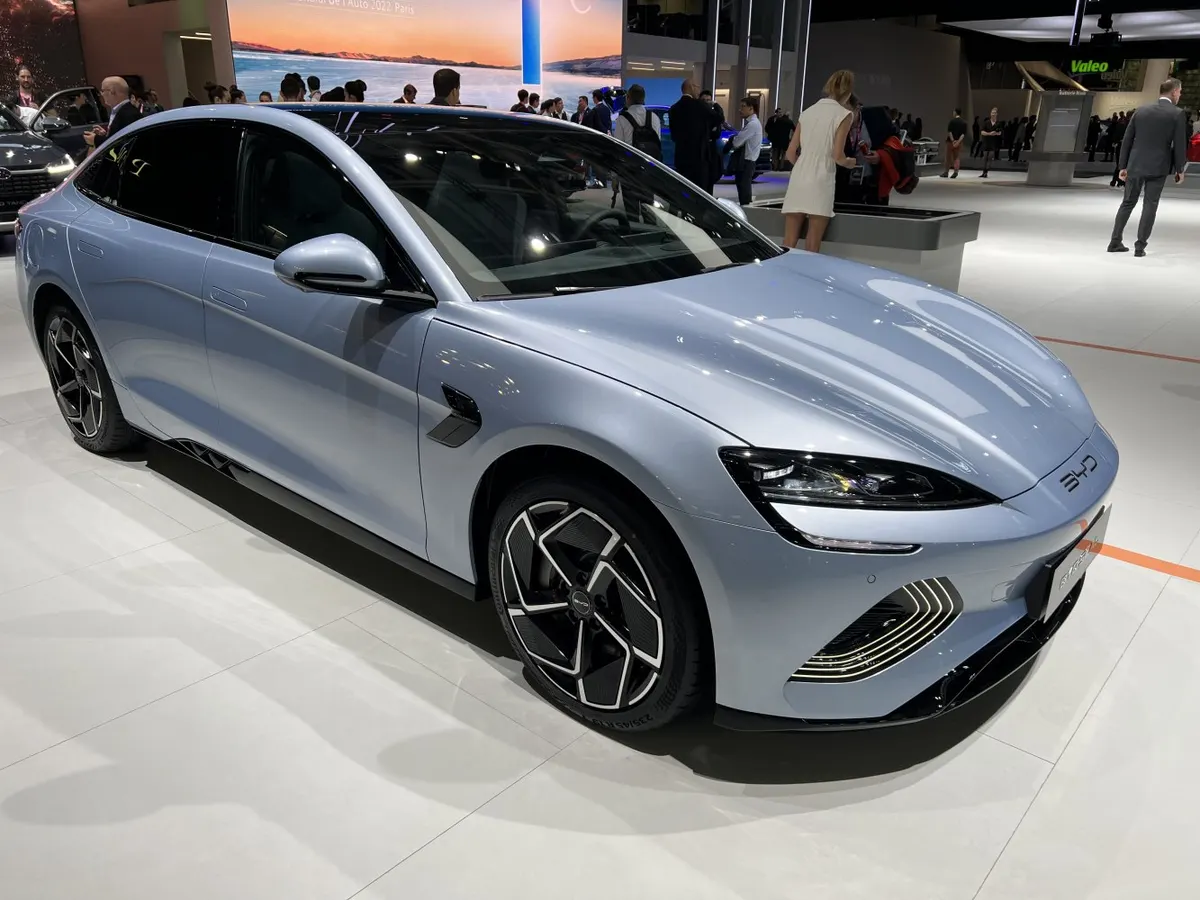
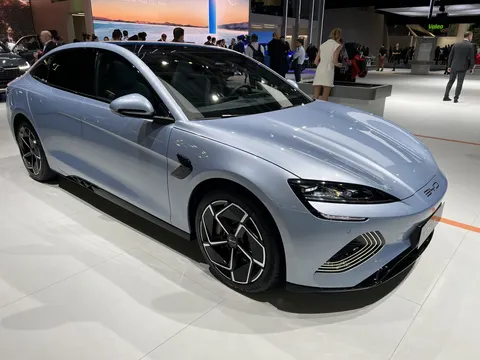
BYD Seal

Design RWD

2024 model year

V2L
V2H
V2G
Tow
354miles WLTP
82.5kWh usable
150kW DC peak
£44,695from OTR

The Seal Design is BYD's most capable UK saloon, offering a large LFP battery, solid range, and 3.3kW V2L at a price that undercuts most rivals.
Data verified from manufacturer sources. Last checked: .

Full specifications

Full technical specifications
Usable battery 82.5 kWh
Gross battery 82.56 kWh
WLTP range 354 miles
Efficiency 4.3 mi/kWh
Max AC charging 11 kW
Max DC charging 150 kW
Charge time 0–100% (7kW) 13 hrs
Charge time 10–80% (DC) 26 min
Charge port(s) CCS2
Seats 5
Boot capacity 400 litres
Towing capacity Not rated
Heat pump Yes
Drivetrain Rear-wheel drive
BIK rate 2026/27 4%

Vehicle-to-X capability

V2L (Vehicle-to-Load)

Supported

Output: 3.3 kW

V2L via dedicated socket; BYD Blade battery LFP chemistry

Charging at home

Max AC charging

11 kW

0–100% at 7kW: approx. 13 hrs

Max DC rapid charging

150 kW

10–80% rapid: approx. 26 min

Charge ports

CCS2

Company car tax (BIK)

4% BIK 2026/27

All pure electric vehicles attract a flat 4% BIK rate in 2026/27, rising to 5% in 2027/28. This makes the BYD Seal Design RWD significantly cheaper as a company car than a petrol or diesel equivalent. Confirm on GOV.UK.

Charging recommendations

Recommended charger

myenergi Zappi

Solar-optimised smart charger with eco and boost modes; excellent app.

Read our review →

Recommended tariff

Octopus Intelligent Go

Octopus Energy — ~7.5p/kWh overnight

Automatically charges your EV at under 8p/kWh overnight. Smart scheduling adjusts around your life.

Compare this tariff →

Leasing deals

Leasing deals coming soon

We are building our leasing comparison tool. Check back shortly for monthly finance options on this vehicle.

Alternatives to consider

How the BYD Seal Design RWD compares to similar EVs on battery, range, home charging speed and V2X capability.

Model 3 Long Range RWD

Tesla CCS

Battery (usable)
75 kWh
WLTP range
390 miles
Max AC rate
11 kW
Max DC rapid
250 kW
0–100% at 7kW
~11.8 hrs
10–80% rapid
~25 mins
V2G ✕
V2H ✕
V2L ✕

Faster 250kW DC charging and Supercharger access, though no V2L and higher price.

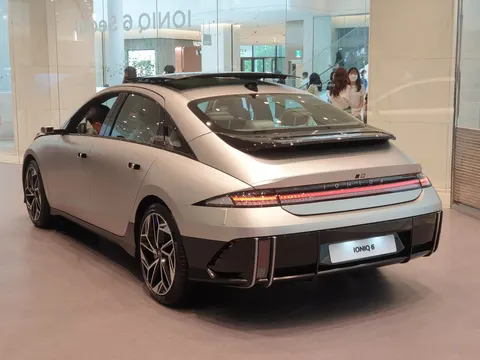
IONIQ 6 Long Range RWD

Hyundai CCS

Battery (usable)
77.4 kWh
WLTP range
338 miles
Max AC rate
11 kW
Max DC rapid
233 kW
0–100% at 7kW
~12.1 hrs
10–80% rapid
~18 mins
V2G ✕
V2H ✕
V2L ✓

800V ultra-rapid charging, V2L, and slightly longer WLTP range in a similar saloon body.

Polestar 2 Long Range Single Motor

Polestar CCS

Battery (usable)
79 kWh
WLTP range
379 miles
Max AC rate
11 kW
Max DC rapid
205 kW
0–100% at 7kW
~12.4 hrs
10–80% rapid
~28 mins
V2G ✕
V2H ✕
V2L ✕

Premium Scandinavian saloon alternative with Android Automotive and competitive range.

Pros & cons

Strengths

  • 82.5kWh usable LFP battery with strong long-term cycle life
  • 3.3kW V2L output, the highest in the BYD UK range
  • 354-mile WLTP range and 150kW DC charging from a saloon

Weaknesses

  • 150kW DC peak is modest against 250kW NMC rivals at this price
  • No towing capacity rated on this variant
  • BYD UK dealer network smaller than established premium brands

BYD Seal Design RWD FAQs

Why does the BYD Seal use such a large battery?

LFP chemistry has a lower energy density than NMC, so a larger physical pack is needed to achieve comparable range. The 82.5kWh usable capacity delivers 354 miles WLTP. The upside is better cycle life and lower thermal runaway risk versus NMC cells of similar range.

How does V2L work on the Seal Design?

The Seal Design has a dedicated socket that outputs up to 3.3kW, enough to run a washing machine, electric hob, or multiple smaller appliances simultaneously. It can also charge other EVs that support DC input via a compatible cable. There is no V2H or V2G capability.

How does the Seal's DC charging speed compare to the Tesla Model 3?

The Seal Design peaks at 150kW DC, which gives a 10–80% time of approximately 26 minutes. The Tesla Model 3 Long Range peaks at 250kW. In practice, LFP batteries can sustain higher charge rates across a broader state-of-charge window, so real-world differences may be less dramatic than peak figures suggest.

Is the BYD Seal Design worth considering over the Tesla Model 3?

At a similar price, the Seal offers a larger battery, V2L capability, and LFP chemistry's longevity benefits. The Model 3 has a more established UK Supercharger network, faster peak DC charging, and stronger brand recognition. The right choice depends on whether home-energy features or rapid-charging infrastructure matters more to you.

Sources & data transparency

All data on this page was verified on 2026-05-14 from primary manufacturer and regulatory sources.