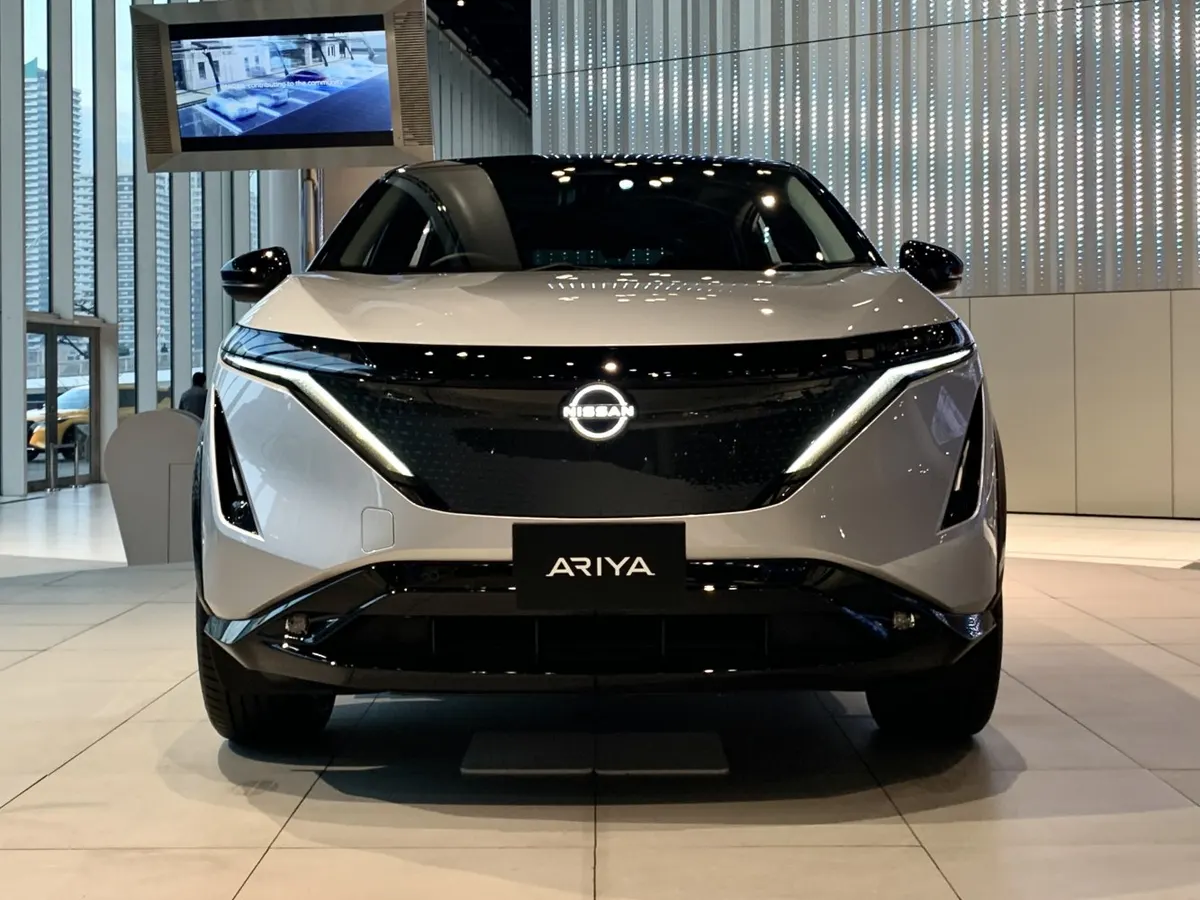
Nissan Ariya

63kWh Evolve

2024 model year

V2L
V2H
V2G
Tow
250miles WLTP
59kWh usable
130kW DC peak
£45,895from OTR

A composed, well-equipped compact SUV let down by a modest usable battery and no V2X capability.
Data verified from manufacturer sources. Last checked: .

Nissan Ariya variants

Compare all available Nissan Ariya trims.

VariantPrice OTRWLTP rangeDC peakV2LV2HV2G
63kWh Evolve£45,895250 mi130 kW
87kWh Evolve£52,895329 mi130 kW
87kWh e-4ORCE Evolve£57,895285 mi130 kW

Full specifications

Full technical specifications
Usable battery 59 kWh
Gross battery 63 kWh
WLTP range 250 miles
Efficiency 4.2 mi/kWh
Max AC charging 7.4 kW
Max DC charging 130 kW
Charge time 0–100% (7kW) 9.3 hrs
Charge time 10–80% (DC) 35 min
Charge port(s) CCS2
Seats 5
Boot capacity 468 litres
Towing capacity 750 kg
Heat pump Yes
Drivetrain Front-wheel drive
BIK rate 2026/27 4%

Charging at home

Max AC charging

7.4 kW

0–100% at 7kW: approx. 9.3 hrs

Max DC rapid charging

130 kW

10–80% rapid: approx. 35 min

Charge ports

CCS2

Company car tax (BIK)

4% BIK 2026/27

All pure electric vehicles attract a flat 4% BIK rate in 2026/27, rising to 5% in 2027/28. This makes the Nissan Ariya 63kWh Evolve significantly cheaper as a company car than a petrol or diesel equivalent. Confirm on GOV.UK.

Charging recommendations

Recommended charger

myenergi Zappi

Solar-optimised smart charger with eco and boost modes; excellent app.

Read our review →

Recommended tariff

Octopus Intelligent Go

Octopus Energy — ~7.5p/kWh overnight

Automatically charges your EV at under 8p/kWh overnight. Smart scheduling adjusts around your life.

Compare this tariff →

Leasing deals

Leasing deals coming soon

We are building our leasing comparison tool. Check back shortly for monthly finance options on this vehicle.

Alternatives to consider

How the Nissan Ariya 63kWh Evolve compares to similar EVs on battery, range, home charging speed and V2X capability.

Ariya 87kWh Evolve

Nissan CCS

Battery (usable)
82 kWh
WLTP range
329 miles
Max AC rate
7.4 kW
Max DC rapid
130 kW
0–100% at 7kW
~12.9 hrs
10–80% rapid
~45 mins
V2G ✕
V2H ✕
V2L ✕

Add 79 miles of WLTP range and 22kW AC charging for around £7,000 more

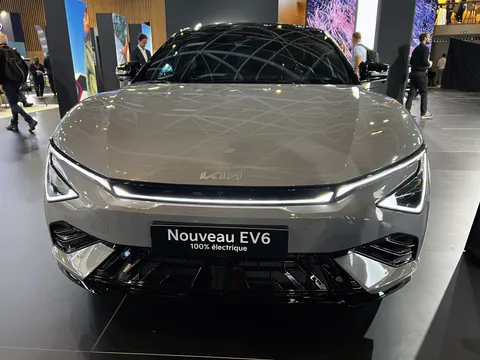
EV6 Long Range RWD

Kia CCS

Battery (usable)
74 kWh
WLTP range
328 miles
Max AC rate
11 kW
Max DC rapid
233 kW
0–100% at 7kW
~11.6 hrs
10–80% rapid
~18 mins
V2G ✕
V2H ✕
V2L ✓

Longer range, 233kW DC charging, and 3.6kW V2L at a comparable price

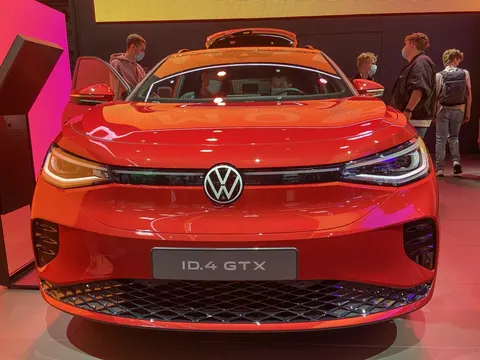
ID.4 Pro

Volkswagen CCS

Battery (usable)
77 kWh
WLTP range
269 miles
Max AC rate
11 kW
Max DC rapid
135 kW
0–100% at 7kW
~12.1 hrs
10–80% rapid
~36 mins
V2G ✕
V2H ✕
V2L ✕

Similar SUV format with CCS rapid charging and a broader dealer network

Pros & cons

Strengths

  • Heat pump standard, improving cold-weather efficiency
  • CCS port with 130kW DC charging, 10–80% in 35 minutes
  • 468-litre boot and 750kg towing capacity in an SUV body

Weaknesses

  • No V2L, V2H, or V2G on any Ariya variant
  • 59kWh usable capacity gives 250 miles WLTP — modest for this price
  • 7.4kW AC charging only; no 22kW option on 63kWh model

Nissan Ariya 63kWh Evolve FAQs

Does the Nissan Ariya 63kWh Evolve support vehicle-to-load or vehicle-to-home?

No. Unlike the Leaf e+, no Ariya variant currently supports V2L, V2H, or V2G in the UK. If bidirectional charging is a priority, the Leaf e+ or a Kia EV6 are alternatives to consider.

How fast does the Ariya 63kWh charge at a public rapid charger?

The Ariya 63kWh accepts up to 130kW DC via CCS. From 10 to 80%, this takes approximately 35 minutes. CCS connectors are widely available at motorway services and public charging hubs across the UK.

Does the Ariya 63kWh Evolve have a heat pump?

Yes. A heat pump is standard on the Ariya and improves cold-weather range by using ambient heat rather than the battery's stored energy to warm the cabin.

What is the difference between the 63kWh and 87kWh Ariya Evolve?

The 87kWh adds roughly 79 miles of WLTP range, a 22kW AC charging option, and a higher starting price of £52,895. The 63kWh is the better-value choice for mainly urban and suburban driving under 150 miles per day.

Sources & data transparency

All data on this page was verified on 2026-05-14 from primary manufacturer and regulatory sources.