Electric cars

Best Electric Cars for Towing UK 2026

Electric cars are legally approved for towing under the same type-approval rules as petrol and diesel vehicles; the difference is how towing affects your range. Real-world testing at 85% of kerb weight has shown range reductions of 30-50%, and in some cases more. Planning charging stops is also more complex: most UK motorway services do not allow caravans or trailers to access charge points without unhitching. All models here are type-approved for towing and are ranked by braked towing capacity.

Last updated: 2026-05-14 · 10 models

Models compared

Every model that qualifies for this list, in alphabetical order. Tap any card for the full review and specs.

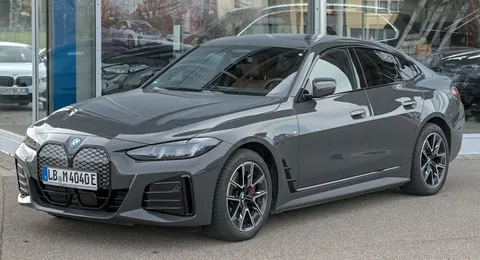
BMW i4

i4 eDrive40

BMW CCS

Battery (usable)
83.9 kWh
WLTP range
348 miles
Max AC rate
11 kW
Max DC rapid
205 kW
0–100% at 7kW
~13.2 hrs
10–80% rapid
~31 mins
V2G ✕
V2H ✕
V2L ✕

1,800kg braked is high for a saloon; most comparable electric cars in this class rate lower. The 80.7kWh battery and 205kW DC charging mean you can recover range quickly once you have unhitched and reached a charger.

BMW i4

i4 M50

BMW CCS

Battery (usable)
83.9 kWh
WLTP range
293 miles
Max AC rate
11 kW
Max DC rapid
205 kW
0–100% at 7kW
~13.2 hrs
10–80% rapid
~31 mins
V2G ✕
V2H ✕
V2L ✕

Same 1,800kg towing rating as the eDrive40 with dual-motor AWD added. All-weather traction when hitched is the gain; for buyers towing in changeable conditions, the M50 adds confidence the eDrive40 cannot.

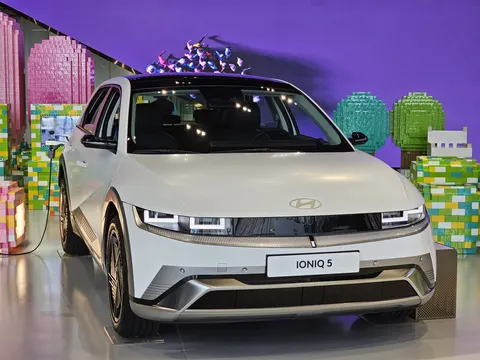
Hyundai IONIQ 5

IONIQ 5 Long Range AWD

Hyundai CCS

Battery (usable)
77.4 kWh
WLTP range
262 miles
Max AC rate
11 kW
Max DC rapid
220 kW
0–100% at 7kW
~12.1 hrs
10–80% rapid
~18 mins
V2G ✕
V2H ✕
V2L ✓

800V architecture enabling 220kW DC charging is the key differentiator; when you unhitch and pull into a rapid charger after a towing leg, the IONIQ 5 recovers range faster than the Model Y or the BMW i4.

Kia EV9

EV9 Air RWD

Kia CCS

Battery (usable)
74.4 kWh
WLTP range
308 miles
Max AC rate
11 kW
Max DC rapid
233 kW
0–100% at 7kW
~11.7 hrs
10–80% rapid
~24 mins
V2G ✕
V2H ✕
V2L ✓

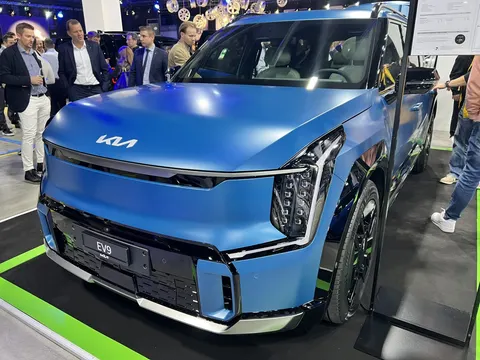
Shares the same maximum towing rating as the AWD variants. The RWD caveat: less traction than AWD when pulling a loaded trailer in wet or hilly conditions. Choose AWD if you tow regularly on varied terrain.

Kia EV9

EV9 Earth AWD

Kia CCS

Battery (usable)
98.8 kWh
WLTP range
336 miles
Max AC rate
11 kW
Max DC rapid
233 kW
0–100% at 7kW
~15.5 hrs
10–80% rapid
~24 mins
V2G ✕
V2H ✕
V2L ✓

The 2,000kg braked rating combined with a 100kWh battery makes this the benchmark EV for heavy towing in the UK. Even a 40-50% range reduction when towing leaves more usable capacity than smaller-pack rivals.

Kia EV9

EV9 GT-Line S AWD

Kia CCS

Battery (usable)
98.8 kWh
WLTP range
316 miles
Max AC rate
11 kW
Max DC rapid
233 kW
0–100% at 7kW
~15.5 hrs
10–80% rapid
~24 mins
V2G ✕
V2H ✕
V2L ✓

Matches the Earth on 2,000kg towing capacity with GT-Line S specification. AWD drivetrain provides confident trailer handling; the sportier trim adds equipment without compromising towing capability or battery size.

Nissan Ariya

Ariya 87kWh e-4ORCE Evolve

Nissan CCS

Battery (usable)
82 kWh
WLTP range
285 miles
Max AC rate
7.4 kW
Max DC rapid
130 kW
0–100% at 7kW
~12.9 hrs
10–80% rapid
~45 mins
V2G ✕
V2H ✕
V2L ✕

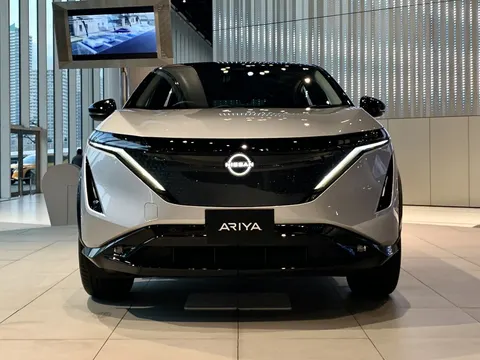
The 87kWh battery provides more reserve than smaller-pack rivals at this towing rating; useful when towing cuts range by 40-50%. AWD e-4ORCE drivetrain adds confident traction; V2L is a practical bonus for campsite use.

Polestar Polestar 2

Polestar 2 Long Range Dual Motor

Polestar CCS

Battery (usable)
79 kWh
WLTP range
321 miles
Max AC rate
11 kW
Max DC rapid
205 kW
0–100% at 7kW
~12.4 hrs
10–80% rapid
~28 mins
V2G ✕
V2H ✕
V2L ✕

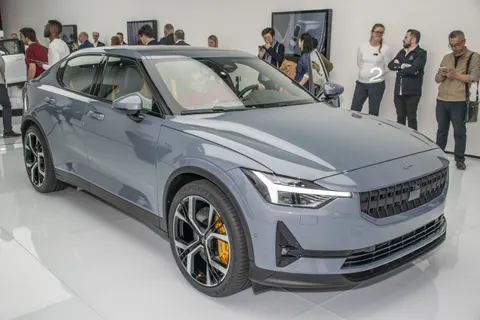
The most aerodynamic car on this list, which matters when towing; a slippery shape reduces the additional drag a trailer creates. Dual-motor AWD adds traction; 205kW DC charging helps recover range after each stop.

Tesla Model Y

Model Y Long Range AWD

Tesla CCS

Battery (usable)
70 kWh
WLTP range
331 miles
Max AC rate
11 kW
Max DC rapid
250 kW
0–100% at 7kW
~11 hrs
10–80% rapid
~25 mins
V2G ✕
V2H ✕
V2L ✕

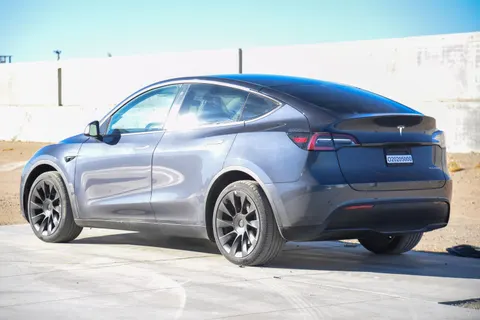
Tesla provides a factory-approved tow bar direct; no aftermarket sourcing needed. At 1,600kg this covers most light caravans, and Supercharger coverage makes route planning more straightforward than on other networks.

Tesla Model Y

Model Y Performance AWD

Tesla CCS

Battery (usable)
70 kWh
WLTP range
303 miles
Max AC rate
11 kW
Max DC rapid
250 kW
0–100% at 7kW
~11 hrs
10–80% rapid
~25 mins
V2G ✕
V2H ✕
V2L ✕

Same 1,600kg towing rating and Supercharger network access as the Long Range AWD. The two variants differ on performance, not towing capability; choose the Performance if you want faster acceleration alongside the tow spec.

How Much Range Do You Lose When Towing? Real-World Data

This is the question that matters most for EV towing, and the honest answer is: more than you might expect.

Real-world testing at 85% of a car's kerb weight has produced range reductions of 30-50% versus the WLTP figure. In one controlled test by What Car?, the result was a 54.6% range reduction; the BMW i4, which achieves over 360 miles unloaded, managed 113 miles while towing in that test. A 300-mile EV may deliver under 150 miles when pulling a fully laden trailer.

The main variables are:

Trailer weight relative to car kerb weight. The heavier the trailer as a proportion of the towing vehicle's kerb weight, the greater the range penalty. Towing close to the vehicle's rated maximum has a larger impact than towing a lighter load.

Motorway speed. Towing at 60 mph (the legal limit on motorways when towing in the UK) uses significantly more energy than urban driving. The combination of a trailer's frontal area and motorway aerodynamic drag is the primary cause of the range reduction. Slowing to 55-60 mph rather than sitting at the 60 mph limit reduces the impact noticeably.

Cold weather. Towing in cold weather compounds both variables; the battery is less efficient and the heater draws additional power alongside the towing load. In winter, halving the car's WLTP range as a journey planning starting point is a reasonable conservative estimate.

Practical planning guidance: use 50% of the WLTP figure as your conservative estimate for a motorway towing leg at maximum load. For lighter loads or slower speeds, the real-world range will be higher, but a 50% planning buffer avoids arriving at a charge point critically low. Remember that most motorway service charge points require unhitching before you can access the bay.

UK Towing Laws: What EV Drivers Need to Know

The rules for towing with an electric car are the same as for any other vehicle. There is no EV-specific towing legislation; the standard UK rules apply.

Type approval. Your car must be rated to tow the load you are pulling. Towing capacity is a manufacturer figure based on engineering testing; exceeding it voids your insurance and is illegal. Only a factory-fitted or professionally installed type-approved tow bar should be used; aftermarket tow bars must be certified for your specific vehicle.

Trailer braking. Any trailer with a loaded weight exceeding 750kg must have its own independent braking system. Unbraked trailers are only legal below this threshold. This is a legal requirement, not a recommendation; check your trailer's laden weight before hitching.

Speed limits when towing. When towing, your speed limits are lower than for a solo vehicle: 60 mph on motorways and dual carriageways, and 50 mph on single carriageway roads. These limits apply regardless of vehicle type; an EV pulling a caravan is subject to the same limits as a diesel towing the same load.

Nose weight. The downward force on the tow ball (nose weight) should be 7-10% of the trailer's total laden weight. Too little nose weight can cause the trailer to snake; too much overloads the tow ball and affects the car's steering. Your car's handbook will state the maximum permitted nose weight.

Outfit matching. For safe handling, the loaded trailer weight should not exceed 85% of the towing vehicle's kerb weight. Exceeding this ratio is not illegal but significantly increases the risk of snaking; most towing safety guidance treats 85% as the safe ceiling. Verify current DVLA regulations and check gov.uk for any updates before towing.

Charging Strategy When Towing: How to Plan a Caravan Trip

The biggest practical difference between EV towing and ICE towing is the charging stop. At a petrol station, you pull in, fill up, and pull out; the caravan stays hitched throughout. At most UK motorway service EV charge points, that is not currently possible.

Most charge point bays at motorway services are designed for cars only; there is insufficient space for a car and caravan or trailer to occupy the bay together. You will generally need to unhitch the trailer, move the car to the charge bay, charge, reconnect, and continue. Add 15-20 minutes to the stop time compared to a straightforward rapid charge.

Some charging locations are beginning to install pull-through bays designed to accommodate vehicles with trailers, but provision is limited and changes quickly; verify the current situation at specific sites before relying on them for a planned route. The Caravan and Motorhome Club's app lists EV-compatible sites at affiliated parks; Zap-Map allows you to filter for sites with larger bays.

Planning principles for a towing trip:

Plan charging stops every 80-120 miles (depending on your car and trailer combination), not every 150-200 miles as you might for solo driving. Use 50% of your car's WLTP range as the conservative planning range when towing at motorway speed with a full load.

Charge to 80%, not 100%, at each stop; the final 20% takes disproportionately long at a rapid charger. Arriving at your destination with 20% remaining is better than spending an extra 25-30 minutes at a service station to reach 100%.

Plan at least one longer stop (45-60 minutes) built into longer journeys rather than targeting multiple short top-ups; your caravan site is often the most practical place to charge fully overnight, particularly if EV hookups are available.
Frequently asked questions

How much does towing reduce EV range?

Real-world testing shows reductions of 30-50% are typical when towing at close to a car's rated capacity at motorway speed. In controlled testing at 85% of kerb weight, some vehicles recorded over 54% range reduction. Use 50% of the WLTP figure as a conservative planning estimate for a motorway towing leg at full load; lighter loads or slower speeds will yield better results.

Can all electric cars tow a caravan?

No. Many EVs have a towing rating of zero or are rated only for light loads such as cycle carriers. Only vehicles with a type-approved towing rating should be used to tow a caravan or trailer; the models on this list all carry ratings of 1,500-2,000kg braked. Always check your specific model's towing capacity in the manufacturer's specification sheet before hitching.

What is the best electric car for towing in the UK?

For heavy towing, the Kia EV9 Earth AWD and GT-Line S AWD lead on rated capacity at 2,000kg braked and back that with a 100kWh battery, which provides the most range reserve when towing. For buyers who also prioritise rapid charging speed after towing legs, the Hyundai IONIQ 5 LR AWD's 800V architecture enables faster range recovery at compatible chargers.

Do you need a special tow bar for an electric car?

The tow bar itself does not need to be EV-specific, but it must be type-approved for your specific vehicle. Factory-fitted tow bars are the simplest option and are available from manufacturers including Kia, Tesla, and BMW for the models on this list. Aftermarket tow bars are available from approved suppliers but must be certified for your vehicle; check that any aftermarket fitting does not affect any driver assistance systems that use rear-facing sensors.

What speed limit applies when towing with an electric car?

The standard UK towing speed limits apply: 60 mph on motorways and dual carriageways, and 50 mph on single carriageway roads. These limits are the same for all vehicle types including EVs. Note that towing at 60 mph increases energy consumption significantly; slowing to 55 mph can meaningfully improve range on a towing leg.

Can I charge my EV at a motorway service station with a caravan attached?

In most cases, no. Most motorway service EV charge bays are sized for cars only and do not have space for a car with a caravan or trailer alongside. You will generally need to unhitch, charge, and rehitch at each stop. Some locations are beginning to install larger pull-through bays; verify the current situation at specific sites before planning a route that depends on them.

Does towing damage an electric car's battery?

Towing itself does not damage the battery; it simply draws more energy per mile than solo driving. The combination of higher current draw and, if you are using rapid DC charging between towing legs, repeated fast-charging sessions does accelerate battery degradation slightly. For occasional towing use, the impact over the battery's warranted life is minimal.

Should I choose AWD or RWD for towing with an EV?

For regular towing, particularly in varied conditions, AWD is the safer choice. A loaded trailer shifts weight rearward and can reduce front axle traction; dual-motor AWD maintains grip across all four wheels, which is particularly relevant in wet, muddy, or steep conditions. RWD models such as the Kia EV9 Air can tow legally at their rated capacity but provide less all-weather confidence than the AWD variants when pulling a significant load.