You can run an electric car without a driveway. The cheapest option is usually a cross-pavement home charger: since 21 October 2026 it no longer needs planning permission in England, the council must authorise the cable channel, and a grant pays up to £500 until 31 March 2027. Otherwise, lamp post and on street chargers, workplace charging and public hubs fill the gap, at an average of 54p per kWh on slower public chargers and 79p on rapid ones in September 2026.
The fastest way to get oriented
Yes. The main options are a cross-pavement home charger, lamp post and other on street chargers, workplace charging, and public charging hubs.
Usually a cross-pavement home charger on a domestic EV tariff. Zapmap put average public pay as you go prices at 54p per kWh on slower chargers and 79p on rapid chargers in September 2026.
Not in England since 21 October 2026, if the charger meets the conditions. The council must still authorise the cable channel.
Yes. The chargepoint grant for households with on-street parking pays up to £500 towards a cross-pavement installation, until 31 March 2027.
EV charging without a driveway is easier than it was a year ago. Since 21 October 2026, households in England that park on the street can fit a home charger and run the cable under the pavement without planning permission. If that does not suit your street, on street chargers, workplace charging and public hubs cover the rest.
This guide compares every option, what each costs and what permission you need.
Your options at a glance
| Option | Where you charge | Permission needed | Typical cost to charge |
|---|---|---|---|
| Cross-pavement home charger | Outside your home, cable under the pavement | Council authorises the channel; no planning permission in England if conditions are met | Your home electricity tariff |
| Lamp post and on street chargers | Kerbside on your street or nearby | None | Public price, around 54p per kWh on slower chargers |
| Workplace charging | Your employer’s car park | Your employer’s | Set by your employer |
| Public charging hubs | Supermarkets, car parks, hubs, motorway services | None | Around 79p per kWh on rapid chargers |
| Sharing a neighbour’s charger | A neighbour’s driveway | Their agreement | Agreed between you |
Price averages are Zapmap’s weighted pay as you go figures for September 2026. Many networks charge less, and subscriptions can lower the price further.
Cross pavement charging: home charging without a driveway
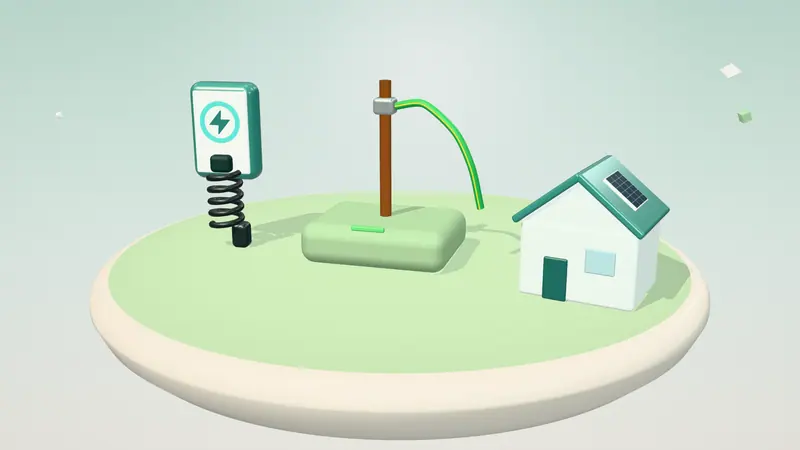
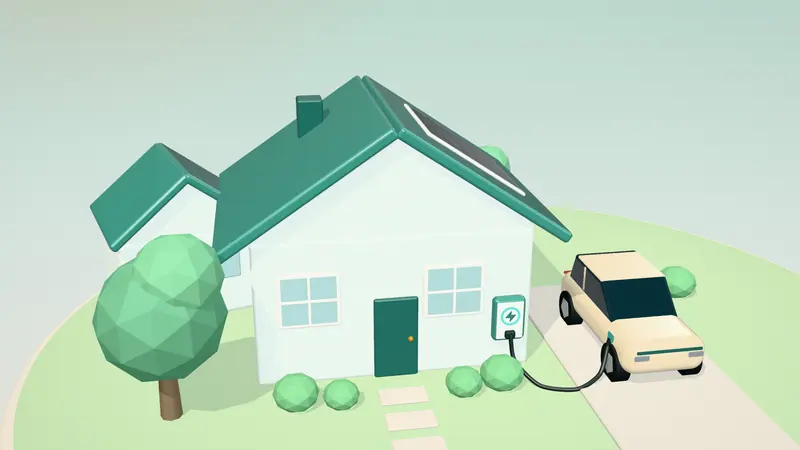
A cross pavement charging solution is a cable channel set into the pavement. Your charging cable sits in the channel, usually under a lid, so it crosses the footway without becoming a trip hazard. The charger itself is fixed to your house wall or on a post in your front garden.
What changed in October 2026
Until 21 October 2026, permitted development rights only covered chargers in an area lawfully used for off street parking. Homes with on street parking needed full planning permission.
The new planning order extends those rights to anywhere within the curtilage of a house or block of flats, as long as:
- it is the only charger at the property;
- it is no higher than 1.6 metres above the ground;
- the property is not in a conservation area;
- a charger on a wall next to the pavement sticks out no more than 0.2 metres and leaves at least 1.5 metres of footway to the kerb;
- the cable crosses the footway through a pavement-embedded cable channel installed or authorised by the highways authority.
The government says removing planning permission saves up to £300. Our cross-pavement charging news story covers the rules in full.
You still need your council
The channel sits in the public highway, so your local highways authority decides whether you can have one. The Department for Transport’s guidance says anyone who is not a statutory undertaker needs a Section 50 licence to place apparatus in the street. If your road is not adopted by the council, permission may also be needed from whoever owns it.
Council schemes differ. At Milton Keynes City Council, residents pay for a survey and a highways-approved contractor, and the council keeps liability for the channel for three years, with an annual fee after that. Oxfordshire County Council and the London Borough of Brent trialled supplier-owned channels on a two-year contract. Nottinghamshire County Council received government pilot funding in January 2023 to trial up to 300 cable channels.
Council terms commonly ask for public liability insurance, an electrical safety certificate for your charger before first use, and that you remove the cable when you are not charging. The home charger itself should be fitted by a qualified chargepoint installer, who provides the safety paperwork. A channel never reserves the parking space outside your home.
Cable covers are not the same thing
Cable covers and mats laid on top of the pavement create a small ramp over the cable. The government’s guidance treats them separately from cable channels, and they do not qualify under the new planning rights. Section 178 of the Highways Act 1980 bars placing a cable across a highway without the highways authority’s consent, so check with your council before you trail any cable.
Grants for cross pavement charging
The chargepoint grant for households with on-street parking pays up to £500 towards a chargepoint installed with a cross-pavement solution. You must own or rent the home and only have on street parking. The grant rose from £350 on 1 April 2026 and is funded until 31 March 2027.
If you rent, you also need the owner’s permission for the charger.
Lamp post and on street EV charging
On street EV charging puts public chargers at the kerb, often in lamp posts, bollards or small posts on residential streets. Councils install many of them through local schemes, so they sit where people without off street parking live. If your street has none, ask your council: many plan new on street charge points where residents show demand.
They are usually slower chargers, which suits overnight parking near home. You pay the operator’s public price, which averaged 54p per kWh on chargers under 50kW in September 2026, according to Zapmap. You also need a free kerbside space next to the charger when you want to plug in.
Our guides to Ubitricity lamp post charging, Char.gy on street charging and charging on the street explain how the networks work and how to pay.
Workplace charging
Workplace charging lets you charge while the car is parked during the day. Some employers offer it free, others charge a set rate.
If your employer does not have chargers, the Workplace Charging Scheme pays up to £500 per socket, for up to 40 sockets, until 31 March 2027. That makes it a reasonable request to put to your employer.
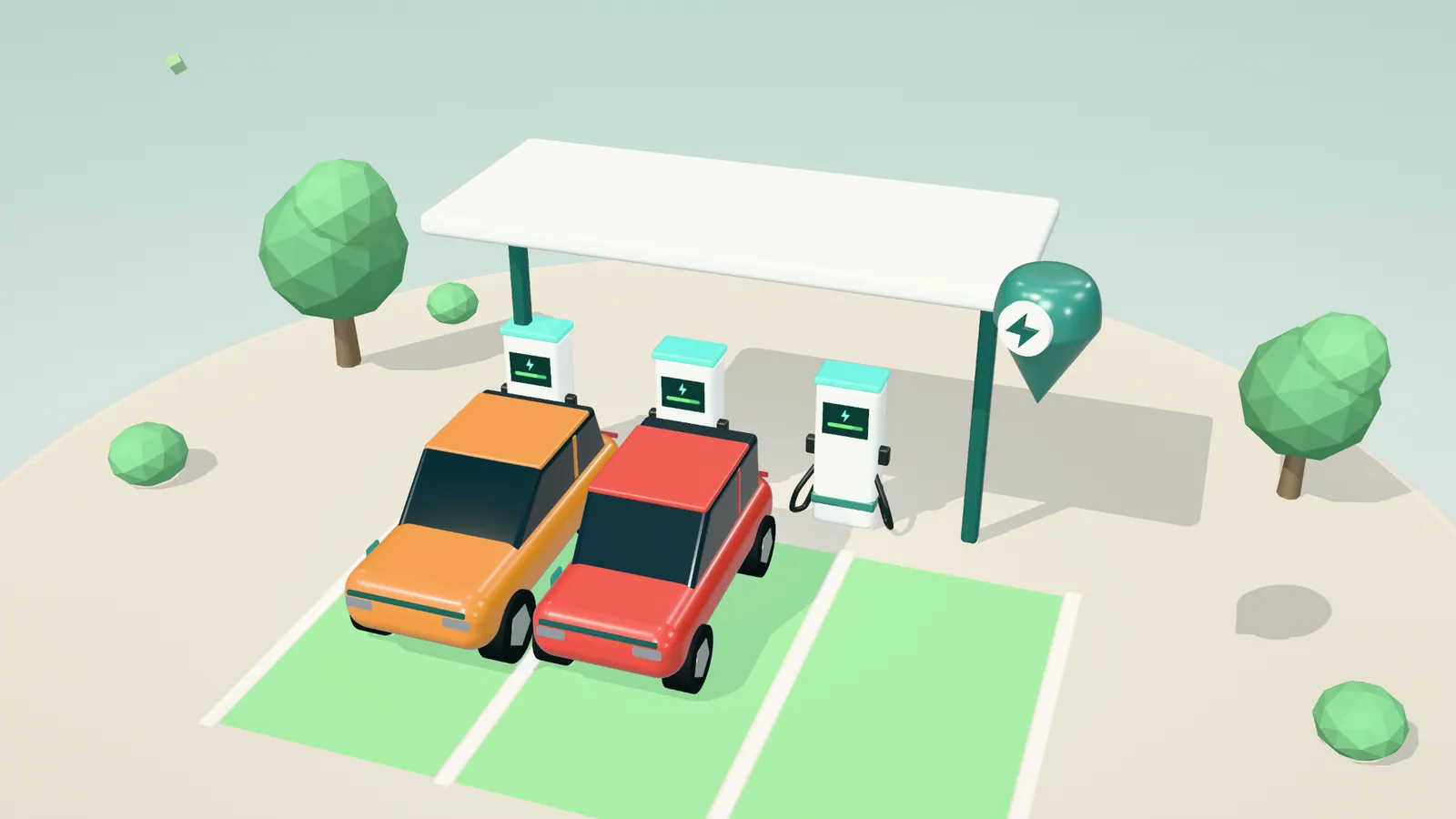
Public charging hubs and rapid chargers
The public network is far bigger than it was. The Department for Transport counted 121,171 public EV chargers in the UK on 1 July 2026, of which 28,887 were rapid or faster (50kW and above). On 1 April 2026 there was one public charger for every 17 battery electric cars.
Rapid and ultra-rapid chargers averaged 79p per kWh on pay as you go in September 2026. Zapmap notes that some networks charge less, such as Sainsbury’s Smart Charge at 72p and Believ at 66p, and Tesla Superchargers open to all drivers averaged 69p.
A weekly rapid top-up while you shop is how many drivers without a driveway manage. It costs more per mile than home charging, so a cheap overnight EV tariff at home is worth chasing if a cross pavement solution is possible. Destination chargers at supermarkets, gyms and car parks let you charge while you do something else, and apps such as Zapmap show nearby chargers, their speed and their price.
Sharing a neighbour’s charger
If a neighbour has a driveway and a charger, sharing it is another option. You need an agreement on access, payment and insurance. Our guide on how to share an EV charger with neighbours covers the practical side.
Which option suits you?
- You park outside your own house: ask your council about a cross pavement solution. It gives you home electricity prices and the grant covers up to £500.
- Your street has kerbside chargers: on street charging is the simplest route, with no installation.
- You drive to work: workplace charging may cover most of your weekly miles.
- None of these: plan a regular rapid charge at a supermarket or hub, and compare networks’ prices.
Most drivers without a driveway use more than one of these. For every way to charge at home, from a wall charger to a post and a cross pavement channel, see our guide to home EV charging options.
Correct as of 25 October 2026. Planning rules outside England differ, council schemes vary, and public charging prices change often.
Key Takeaways
- No driveway does not rule out an electric car: cross-pavement home charging, on street chargers, workplace charging and public hubs all work.
- Since 21 October 2026, one cross-pavement home charger in England no longer needs planning permission, but the council must authorise the cable channel.
- Trailing a cable across the pavement under a cover or mat is not a cable channel, and needs the highways authority's consent.
- The on-street parking chargepoint grant pays up to £500 until 31 March 2027.
- Public charging costs more: 54p per kWh on slower chargers and 79p on rapid chargers on average in September 2026 (Zapmap).
- The UK had 121,171 public chargers on 1 July 2026, according to the Department for Transport.
Frequently Asked Questions
Can I run an EV charging cable across the pavement?
Only through a cable channel installed or authorised by your local highways authority. Section 178 of the Highways Act 1980 bars placing a cable across a highway without the authority's consent, and the new planning rights for cross pavement charging only apply when the cable runs through an authorised pavement-embedded channel. Channels sit flush with the pavement, and some products have a lid that closes over the cable.
How much does a cross pavement charging solution cost?
It varies by council, site and solution, according to the Department for Transport. Costs can include the channel, the charger and its installation, any licence or permit, and ongoing council or supplier fees. Some councils charge a survey fee and an approved contractor's installation, others an annual fee or a subscription. The on-street parking grant pays up to £500 towards the installation.
Does a cable channel give me a reserved parking space?
No. The government's guidance says a cross-pavement solution does not give you ownership of, or priority for, the space outside your home, and councils ask residents not to put out cones or signs.
Can I use EV charging without a driveway if I rent?
Yes, but a cross-pavement charger needs the owner's permission as well as the council's. Public, workplace and on street chargers need no permission at all.
Is lamp post charging cheaper than rapid charging?
Slower public chargers, which include most lamp post chargers, averaged 54p per kWh in September 2026 against 79p for rapid and ultra-rapid chargers, according to Zapmap. Prices vary by operator, so check the app before you plug in.
Useful Resources
- The Town and Country Planning (General Permitted Development) (England) (Amendment) (No. 2) Order 2026 · legislation.gov.uk
- Cross-pavement solutions for charging electric vehicles · Department for Transport
- Electric vehicle chargepoint grants · Office for Zero Emission Vehicles
- Electric vehicle charging infrastructure statistics: 1 July 2026 · Department for Transport
- Charging Price Index · Zapmap, September 2026 figures