Electric cars

Longest Range Electric Cars UK 2026

WLTP range figures come from a standardised test averaging 29 mph in 23°C conditions; those conditions rarely reflect a UK motorway in November. In mixed real-world driving, expect 70-75% of the official figure; at a steady 70 mph, deduct a further 5-10 percentage points on top. Cold weather below 5°C reduces range by a further 20-40%. WLTP remains the most consistent benchmark for comparing models, and these are the 10 highest-scoring EVs on sale in the UK in 2026.

Last updated: 2026-05-14 · 10 models

Models compared

Every model that qualifies for this list, in alphabetical order. Tap any card for the full review and specs.

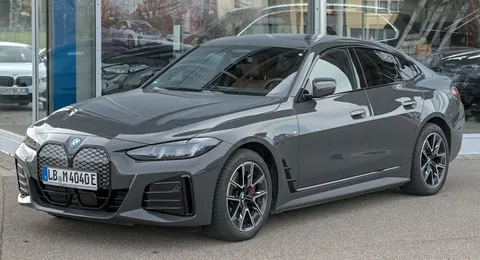
BMW i4

i4 eDrive40

BMW CCS

Battery (usable)
83.9 kWh
WLTP range
348 miles
Max AC rate
11 kW
Max DC rapid
205 kW
0–100% at 7kW
~13.2 hrs
10–80% rapid
~31 mins
V2G ✕
V2H ✕
V2L ✕

The only premium grand-touring saloon on this list; 360 miles WLTP pairs with 205kW DC charging and the kind of long-distance refinement that no other model here offers.

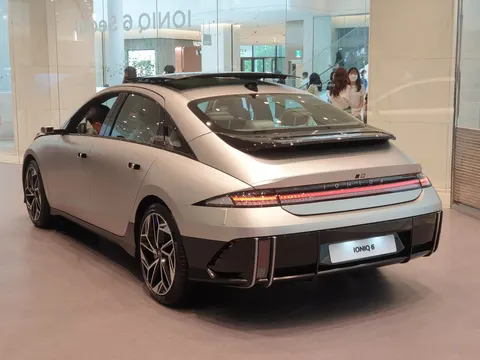
Hyundai IONIQ 6

IONIQ 6 Long Range RWD

Hyundai CCS

Battery (usable)
77.4 kWh
WLTP range
338 miles
Max AC rate
11 kW
Max DC rapid
233 kW
0–100% at 7kW
~12.1 hrs
10–80% rapid
~18 mins
V2G ✕
V2H ✕
V2L ✓

A 0.21 Cd drag coefficient is the lowest of any car on this list, and the main reason the IONIQ 6 competes on range despite a mid-sized 77.4kWh pack. Aerodynamics, not battery size, is the story here.

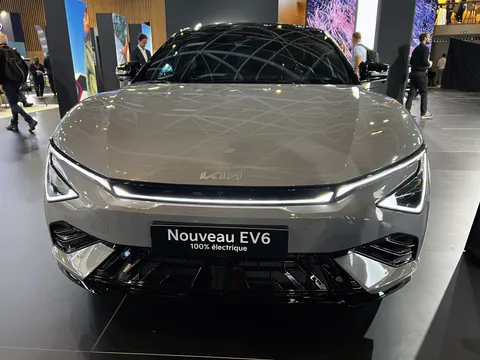
Kia EV6

EV6 Long Range RWD

Kia CCS

Battery (usable)
74 kWh
WLTP range
328 miles
Max AC rate
11 kW
Max DC rapid
233 kW
0–100% at 7kW
~11.6 hrs
10–80% rapid
~18 mins
V2G ✕
V2H ✕
V2L ✓

The only 800V architecture model on this list, combining 328 miles WLTP with 233kW peak DC charging and a 10-80% charge time of around 18 minutes. The strongest combination of range and rapid charging speed here.

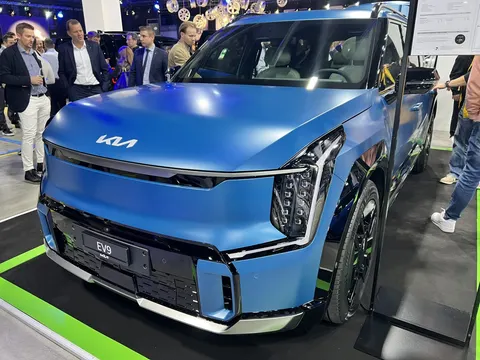
Kia EV9

EV9 Air RWD

Kia CCS

Battery (usable)
74.4 kWh
WLTP range
308 miles
Max AC rate
11 kW
Max DC rapid
233 kW
0–100% at 7kW
~11.7 hrs
10–80% rapid
~24 mins
V2G ✕
V2H ✕
V2L ✓

The RWD drivetrain is lighter and more efficient than the AWD variants, making this the longest-range EV9 at 354 miles WLTP. It is also the only seven-seat EV at this range level on this list.

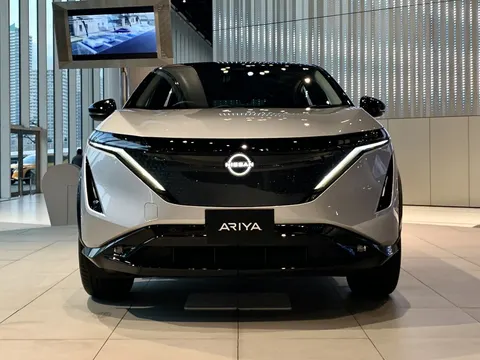
Nissan Ariya

Ariya 87kWh Evolve

Nissan CCS

Battery (usable)
82 kWh
WLTP range
329 miles
Max AC rate
7.4 kW
Max DC rapid
130 kW
0–100% at 7kW
~12.9 hrs
10–80% rapid
~45 mins
V2G ✕
V2H ✕
V2L ✕

The 22kW three-phase AC charging rate is the genuine differentiator; one of the very few mainstream EVs that can accept a full three-phase supply at home or work. Range is solid, but AC charging speed sets it apart.

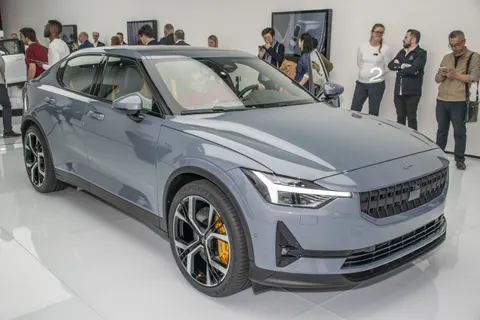
Polestar Polestar 2

Polestar 2 Long Range Dual Motor

Polestar CCS

Battery (usable)
79 kWh
WLTP range
321 miles
Max AC rate
11 kW
Max DC rapid
205 kW
0–100% at 7kW
~12.4 hrs
10–80% rapid
~28 mins
V2G ✕
V2H ✕
V2L ✕

Same 78kWh usable pack as the single-motor, but dual motors reduce WLTP range by around 37 miles in exchange for AWD traction. The right choice when all-weather capability matters more than extracting maximum range.

Polestar Polestar 2

Polestar 2 Long Range Single Motor

Polestar CCS

Battery (usable)
79 kWh
WLTP range
379 miles
Max AC rate
11 kW
Max DC rapid
205 kW
0–100% at 7kW
~12.4 hrs
10–80% rapid
~28 mins
V2G ✕
V2H ✕
V2L ✕

Single-motor, rear-wheel-drive is the most efficient Polestar 2 configuration; less drivetrain loss means more range from the same 78kWh usable pack. Real-world motorway range is typically 270-300 miles.

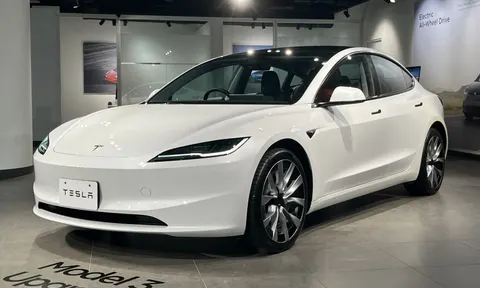
Tesla Model 3

Model 3 Long Range AWD

Tesla CCS

Battery (usable)
75 kWh
WLTP range
358 miles
Max AC rate
11 kW
Max DC rapid
250 kW
0–100% at 7kW
~11.8 hrs
10–80% rapid
~25 mins
V2G ✕
V2H ✕
V2L ✕

Dual motors add all-weather traction but cost around 20 miles of WLTP range compared to the single-motor variant. The choice is whether AWD confidence matters more to you than peak range.

Tesla Model 3

Model 3 Long Range RWD

Tesla CCS

Battery (usable)
75 kWh
WLTP range
390 miles
Max AC rate
11 kW
Max DC rapid
250 kW
0–100% at 7kW
~11.8 hrs
10–80% rapid
~25 mins
V2G ✕
V2H ✕
V2L ✕

Tesla's energy management delivers among the best real-world efficiency in this class, despite a smaller pack than some rivals. Expect more usable miles per kWh than most cars at a similar WLTP figure.

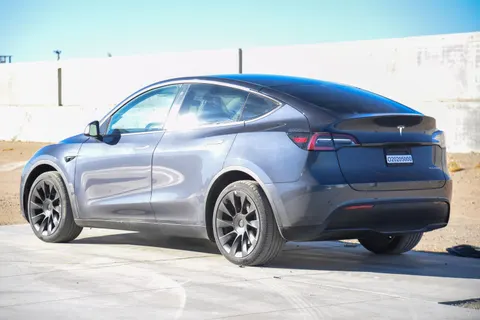
Tesla Model Y

Model Y Long Range AWD

Tesla CCS

Battery (usable)
70 kWh
WLTP range
331 miles
Max AC rate
11 kW
Max DC rapid
250 kW
0–100% at 7kW
~11 hrs
10–80% rapid
~25 mins
V2G ✕
V2H ✕
V2L ✕

At 330 miles WLTP it sits mid-list, but access to Tesla's Supercharger network makes it the most practical long-distance option here. SUV practicality and AWD grip round out a package built for real journeys.

WLTP vs Real-World Range: What to Expect from These Cars

WLTP (Worldwide Harmonised Light Vehicle Test Procedure) measures range at an average speed of 29 mph in 23°C conditions, with no heating or air conditioning running. Those conditions are useful for comparing cars against each other, but they do not reflect a November run up the M1.

In mixed real-world UK driving, you can typically expect 70-75% of the WLTP figure. At a steady 70 mph on the motorway, deduct a further 5-10 percentage points. A 350-mile WLTP car therefore delivers roughly 245-263 miles in mixed real-world use and around 245-280 miles at motorway speeds.

Cold weather sharpens the gap further. Below 5°C, battery chemistry becomes less efficient and the heater draws significant power; range reductions of 20-40% on top of the WLTP figure are common in practice. Pre-conditioning your car while still plugged in warms the battery before you drive, reducing cold-weather loss considerably; this is available on most EVs via the companion app.

For journey planning, use 70% of the WLTP figure as a conservative starting point on a motorway trip. The in-car range estimate is a useful live guide but should not be treated as a guarantee; it recalibrates constantly based on recent driving conditions. If your last few miles were urban, the estimate will be optimistic for the motorway leg ahead.

How to Get the Most Range from Your EV

Small changes to how you use your EV can meaningfully extend its real-world range. These are the most effective.

Pre-condition before you drive. Use your car's app to warm the cabin and battery while it is still plugged in. This preserves battery charge for driving rather than spending it on heating the car from cold.

Use eco or range mode. Most EVs restrict throttle response and limit top speed in these modes, which reduces energy consumption noticeably on motorway trips.

Watch your motorway speed. Aerodynamic drag increases with the square of velocity; going 80 mph instead of 60 mph uses significantly more energy. Range drops sharply above 65-70 mph for most EVs.

Keep tyre pressures correct. Under-inflated tyres increase rolling resistance and reduce efficiency. Check pressures monthly and before long trips.

Use regenerative braking. Smooth, anticipatory driving in the highest regen mode recuperates energy on every deceleration. In town this alone can significantly improve efficiency.

Charge to 80% for daily use. For NMC batteries (most EVs other than BYD and some MG models), keeping daily charge to 80% preserves long-term capacity. Charge to 100% only when you need the full range for a specific journey.

Plan charging, not anxiety. Range anxiety decreases sharply once you plan stops in advance. Tools such as Zap-Map and A Better Route Planner (ABRP) plot routes with charging stops automatically, taking your car's efficiency curve into account.
Frequently asked questions

What is the difference between WLTP and real-world range?

WLTP is a standardised lab test using an average speed of 29 mph at 23°C with no climate control. Real-world range in mixed UK driving is typically 70-75% of the official figure; at motorway speed or in cold weather, the gap widens further. WLTP is a consistent benchmark for comparing models but should not be used directly for journey planning.

Which electric car has the longest real-world range in the UK?

This depends on your driving pattern. The Polestar 2 Long Range Single Motor leads on WLTP at 391 miles, with real-world motorway range typically 270-300 miles. Tesla's energy management also delivers strong real-world efficiency relative to the official figure. No current production EV consistently exceeds 400 miles in typical real-world UK driving conditions.

How much does cold weather reduce EV range?

Cold weather below 5°C typically reduces range by 20-40% compared to the WLTP figure, in addition to the standard real-world gap. The exact impact varies by model, battery chemistry, and whether you pre-condition the battery before driving. Pre-conditioning while plugged in is the single most effective countermeasure.

How much does motorway driving reduce range?

Motorway driving at 70 mph typically reduces range by 20-30% below the WLTP figure. At 80 mph, the reduction is greater. The WLTP test uses an average speed of 29 mph, so a sustained motorway run represents a very different energy demand from the test conditions.

Can you rely on in-car range estimates?

In-car range estimates adapt in real time based on recent driving conditions. They are a useful live guide but should not be the sole basis for journey planning. If your recent driving has been urban, the estimate will be optimistic for an upcoming motorway leg. Use 70% of the WLTP figure as a conservative planning baseline, then adjust based on the live estimate as you drive.

Does fast charging reduce battery range over time?

Frequent use of rapid DC charging above 100kW does accelerate battery degradation slightly. Research across a large fleet of vehicles suggests roughly double the degradation rate compared to slower AC charging, at approximately 3% per year versus 1.5%. For most drivers who use rapid charging occasionally on long trips and charge at home the rest of the time, the impact over the battery's usable life is minimal.

Should I buy a long-range EV if I mostly drive locally?

Not necessarily. If your daily mileage is under 50 miles and you can charge at home, a car with 200-250 miles WLTP covers the vast majority of real-world use. Long-range models cost more upfront; they are worth the premium if you regularly make longer journeys and want to minimise charging stops on those trips.

Do any electric cars exceed 400 miles of real-world range?

No current mainstream production EV consistently exceeds 400 miles of real-world range in UK conditions. Some models with very high WLTP figures approach that level in ideal circumstances, but real-world figures at motorway speed remain below 400 miles for all production EVs currently on sale in the UK. New models are entering the market regularly, so it is worth checking the latest figures before you buy.